
Christmas in Peru is one of the most important celebrations of the year and is experienced in a very special way. Unlike other countries, christmas in peru combines religious traditions, family customs, unique gastronomy, and a strong cultural atmosphere that varies depending on the region of the country.
For both Peruvians and tourists visiting the country in December, learning how christmas in peru is celebrated helps you better understand its culture, its people, and its deepest traditions. In this article, we explain what Christmas in Peru is like, what people eat, the main customs, and what travelers can expect when visiting the country during this season.
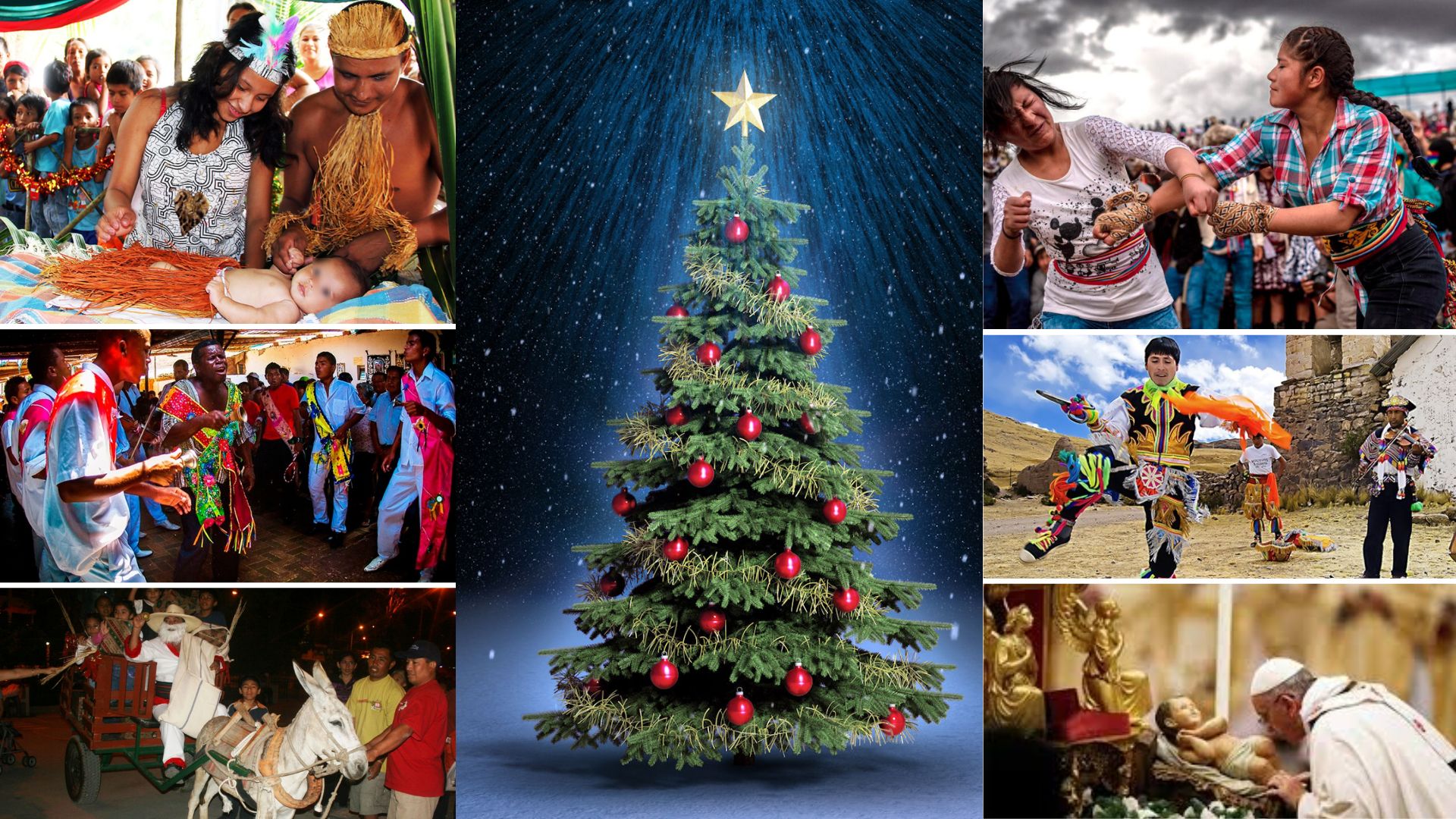
How is Christmas in Peru celebrated?
Christmas in Peru is mainly celebrated on December 24 and 25, with the night of the 24th (Christmas Eve) being the most important moment. Unlike other countries where the 25th is the main day, in Peru the family dinner and gift exchanges usually take place before midnight on the 24th.
The celebration is, above all, family-centered and religious, although in large cities it is also marked by decorations, public events, and community celebrations.
The importance of family in Christmas in Peru
One of the most characteristic aspects of christmas in peru is the value placed on family. It is common for people to travel long distances to reunite with parents, grandparents, aunts, uncles, and cousins.
Christmas is not seen as an individual celebration, but as a time for:
- family gathering
- gratitude
- reflection
- togetherness
Even Peruvians living abroad often try to return to the country to spend these dates with their loved ones.
Christmas traditions in Peru
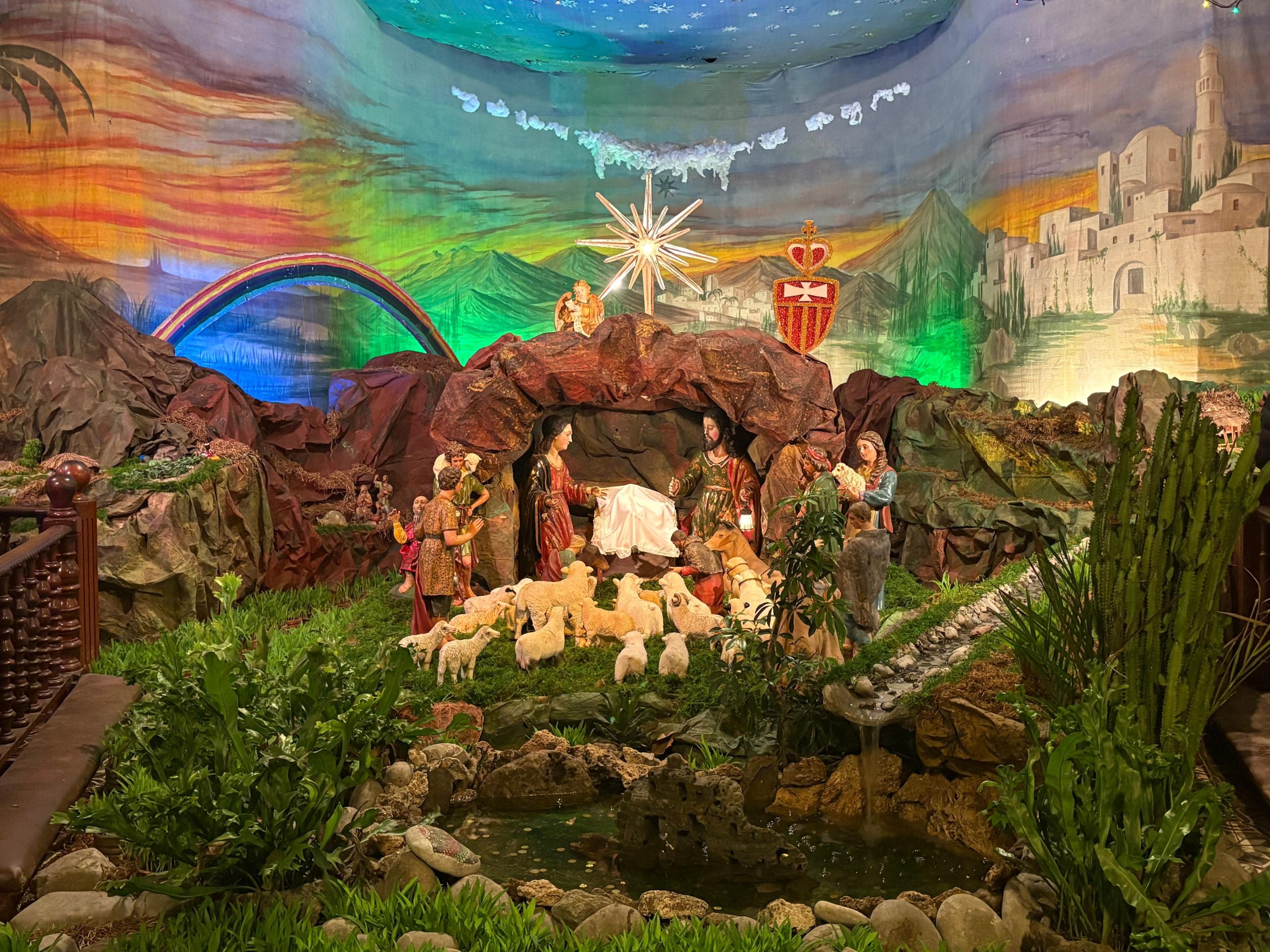
Christmas in Peru is full of traditions that have been passed down through generations and blend Spanish, Andean, and modern influences.
Setting up the nativity scene
In many Peruvian homes, the nativity scene (or manger) is more important than the Christmas tree. It is arranged with figures of Baby Jesus, Mary, Joseph, the Three Wise Men, and animals, and is usually placed in a central part of the home.
A very common tradition is not placing Baby Jesus in the manger until midnight on December 24, when the family gathers to do so.
Midnight Mass
Midnight Mass is a religious celebration held on the night of December 24. Many families attend church together before or after Christmas dinner.
This Mass symbolizes the birth of Jesus and is a deeply rooted tradition, especially in small towns and rural areas.
Fireworks
Although in recent years campaigns have encouraged people to reduce their use, fireworks have traditionally been part of christmas in peru. At midnight, the sky often lights up in many cities.
Gift exchange
In Peru, gifts are given:
- at midnight on the 24th
- or on the morning of the 25th
In many families, gifts are associated with Baby Jesus, although Santa Claus is also present, especially in urban areas.
Traditional Christmas food in Peru
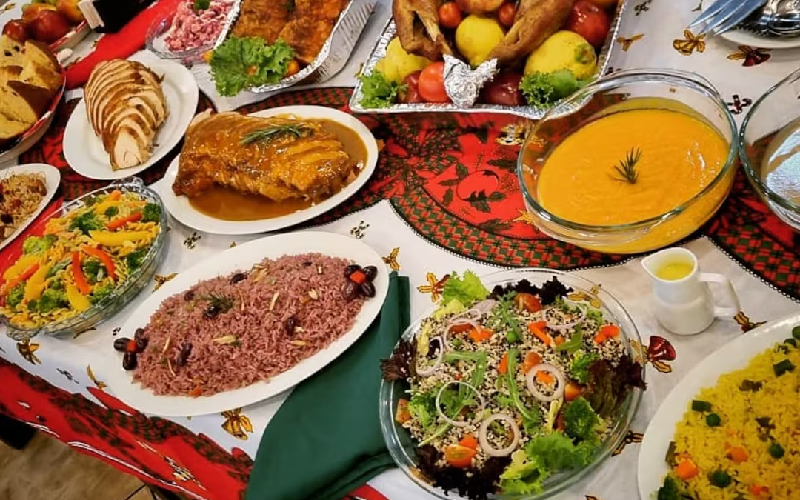
Peruvian Christmas food is one of the most important parts of the celebration. Christmas Eve dinner brings together traditional dishes that vary slightly by region but share a common base.
Peruvian Christmas turkey
Turkey is the main dish of Christmas in Peru. It is usually prepared:
- oven-roasted
- marinated with spices
- served with sauces and juices
Each family has its own recipe, and the seasoning may include ingredients such as chili peppers, beer, wine, garlic, and herbs.
Traditional side dishes
Some of the most common side dishes include:
- Arab-style rice
- fresh salads
- apple or peach purée
- golden roasted potatoes
These dishes complement the turkey and make the dinner abundant and festive.
Panettone and hot chocolate
One of the most iconic symbols of christmas in peru is panettone. Although it originated in Italy, in Peru it has become an essential part of the holiday season.
It is enjoyed with hot chocolate, even in regions with warm weather. This combination is present in almost every Peruvian household during December.
Other Christmas dishes and desserts
Depending on the region, you may also find:
- oven-roasted pork
- tamales
- empanadas
- traditional sweets
Peruvian Christmas cuisine reflects the country’s cultural diversity.
Christmas in Peru by region
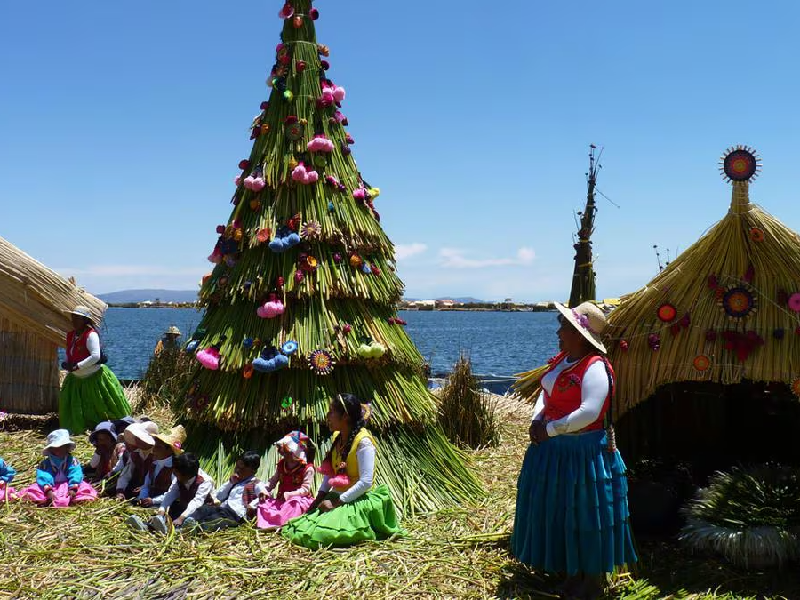
Christmas on the Peruvian coast
On the coast, including cities like Lima, Christmas is celebrated in a warm or mild climate. This influences the food and the overall atmosphere, as traditional dishes are combined with fresher options.
Celebrations tend to be more urban, with lights, decorated shopping malls, and public events.
Christmas in the Peruvian highlands
In the highlands, Christmas has a more traditional and religious character. In cities such as Cusco or Ayacucho, celebrations include fairs, dances, and Andean cultural expressions.
The weather is cold, which makes hot dishes and comforting drinks especially important.
Christmas in the Peruvian jungle
In the jungle, Christmas adapts to the tropical climate and local ingredients. Christian traditions remain, but the cuisine may include products typical of the Amazon region.
What is Christmas in Peru like for tourists?
For tourists, experiencing christmas in peru is a different and enriching experience. Unlike other destinations, Peruvian Christmas is not only commercial, but deeply cultural.
Visitors can expect:
- family-centered celebrations
- authentic traditions
- unique gastronomy
- a welcoming atmosphere
Many restaurants and hotels offer special dinners, but it is also common for cities to have a quieter pace on December 25.
Weather in Peru during Christmas
Weather in Peru during December varies by region:
- Coast: warm and humid
- Highlands: rainy season, cool weather
- Jungle: hot and rainy
This is important for anyone planning to travel during these dates.
Differences between Christmas in Peru and other countries
Some notable differences include:
- greater importance of the December 24 dinner
- the strong presence of panettone and hot chocolate
- a blend of European and Andean traditions
- a climate opposite to European or North American Christmas
These differences make christmas in peru truly unique.
Christmas in Peru as a cultural expression
Beyond food and decorations, Christmas in Peru represents:
- solidarity
- unity
- cultural identity
During this season, solidarity campaigns and community activities are also common.
Conclusion: Why spend Christmas in Peru?
Christmas in Peru is a celebration that goes far beyond gifts. It is a rich cultural experience, full of traditions, flavors, and family values that reflect the essence of the country.
Whether you live in Peru or are planning to visit, understanding how christmas in peru is celebrated will help you better appreciate its identity and enjoy one of the most special times of the year.