


Bolivia is one of the most surprising destinations in South America. Within a single country, you can find endless white deserts, sacred high-altitude lakes, historic colonial cities, and Amazon rainforest with extraordinary biodiversity. If you are looking for a clear, practical, and complete guide to tourist attractions in Bolivia, this curated selection will help you plan an unforgettable journey.
In this list, we have gathered the places most travelers consider “must-see” thanks to their beauty, cultural relevance, accessibility (depending on the route), and overall travel experience. At the end, you will also find seasonal tips, altitude acclimatization advice, and a frequently asked questions (FAQ) section designed to quickly answer common travel doubts.
“
Bolivia is one of the most geographically diverse countries in South America: in a single trip, you can explore the Andean highlands, unique salt flats, temperate valleys, and the Amazon rainforest. This diversity makes Bolivia perfect for combining nature, culture, and adventure without changing destinations.
”
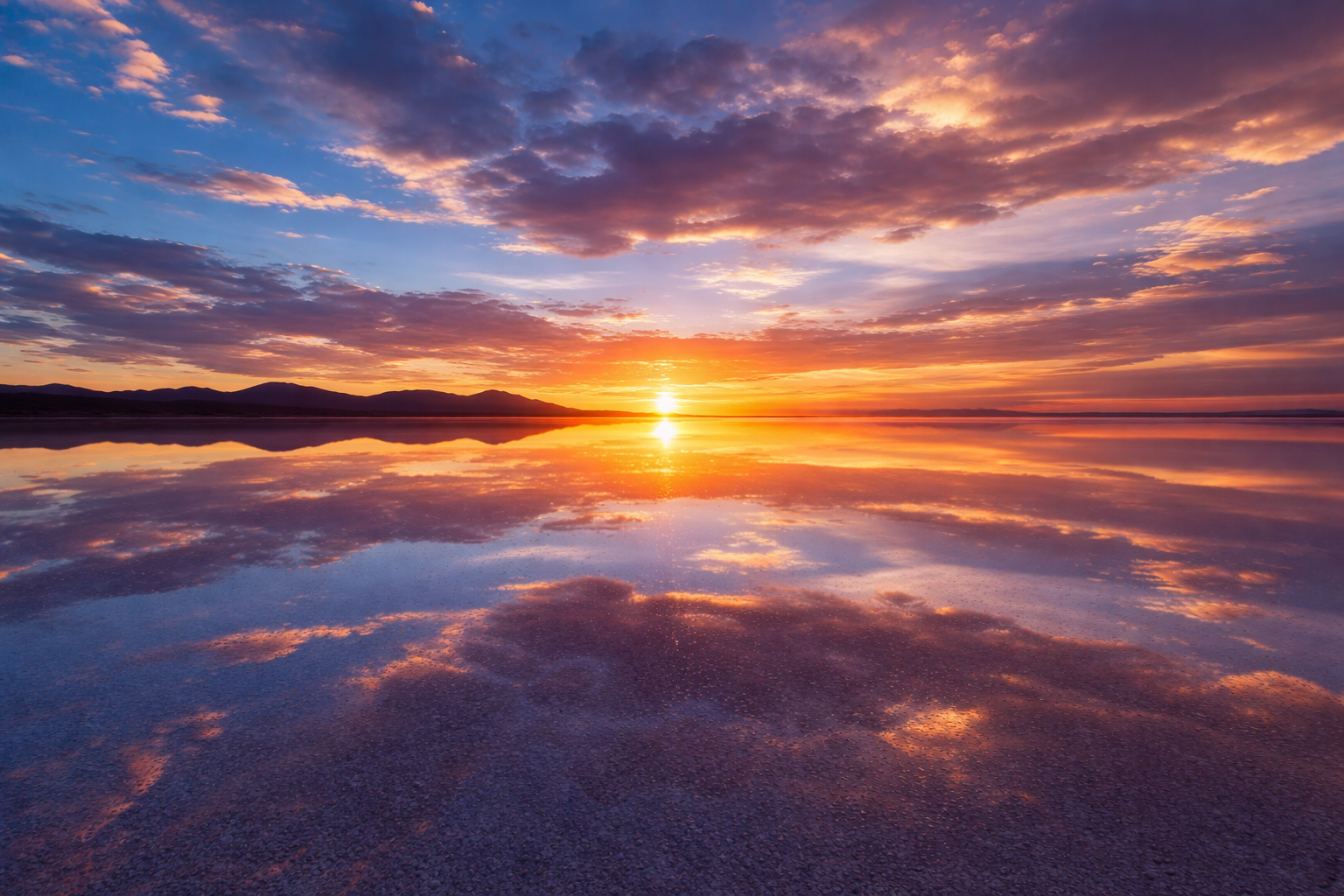
The Salar de Uyuni is Bolivia’s most iconic tourist attraction and one of the most impressive natural landscapes in the world. Its vast salt surface creates a sense of openness that is hard to describe: the horizon becomes clean and minimalist, and the sky feels larger than ever. During the rainy season (approximately November to March), a thin layer of water turns the salt flat into a giant mirror; during the dry season (approximately May to October), the ground becomes a perfect white mosaic ideal for photography and long excursions.
The experience goes beyond the “sea of salt.” Many tours include stops at volcanic islands such as Isla Incahuasi (famous for its giant cacti), natural viewpoints, and nearby lagoons. It is also an excellent destination for astrotourism on clear nights.
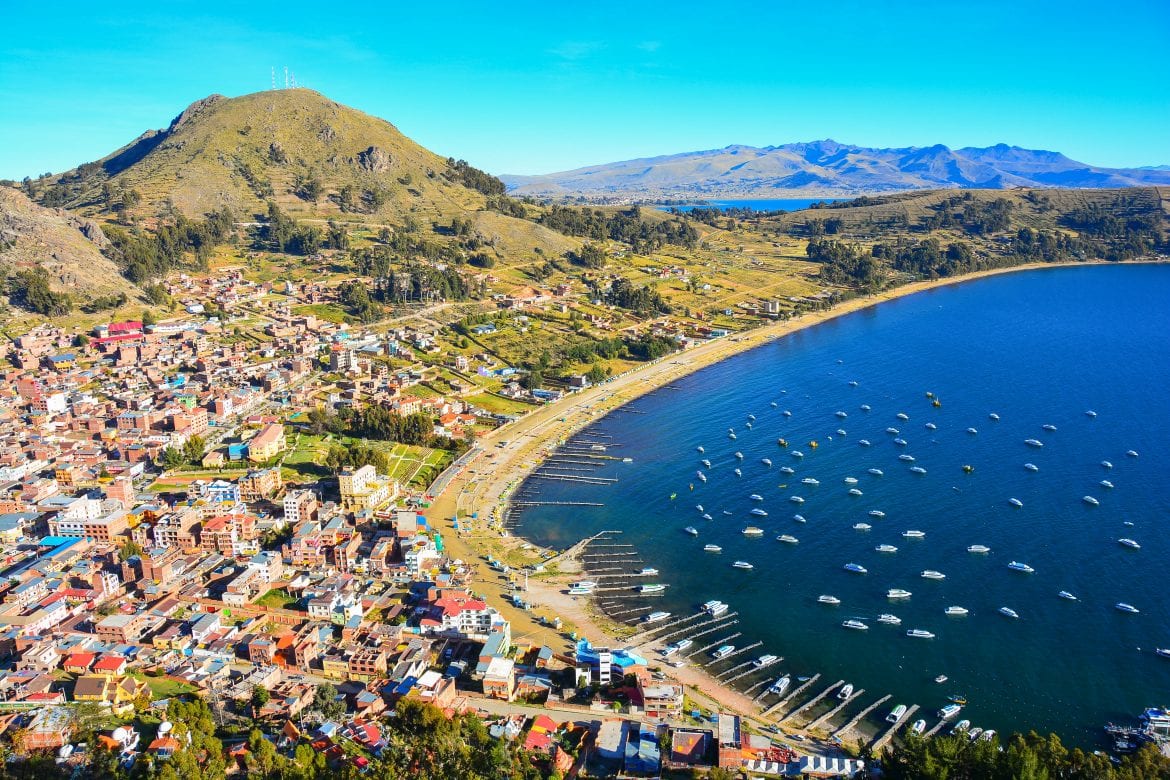
Lake Titicaca, shared with Peru, is considered one of the most symbolic places in the Andean highlands. Located over 3,800 meters above sea level, its cold blue waters frame peaceful landscapes and communities with living traditions. On the Bolivian side, Copacabana serves as the main base: a small town with a traveler-friendly atmosphere and a good range of accommodation options.
From Copacabana, you can visit the Island of the Sun, associated with legends about the origin of the Inca Empire. There, you will find scenic trails, ruins, viewpoints, and an atmosphere that invites you to slow down. If you are looking for a place with special energy, this is one of the best tourist destinations in Bolivia to disconnect.
“
Traveling to Lake Titicaca is not just a sightseeing visit; it is an encounter with the living history of the Andes, where landscape and culture feel deeply connected.
”
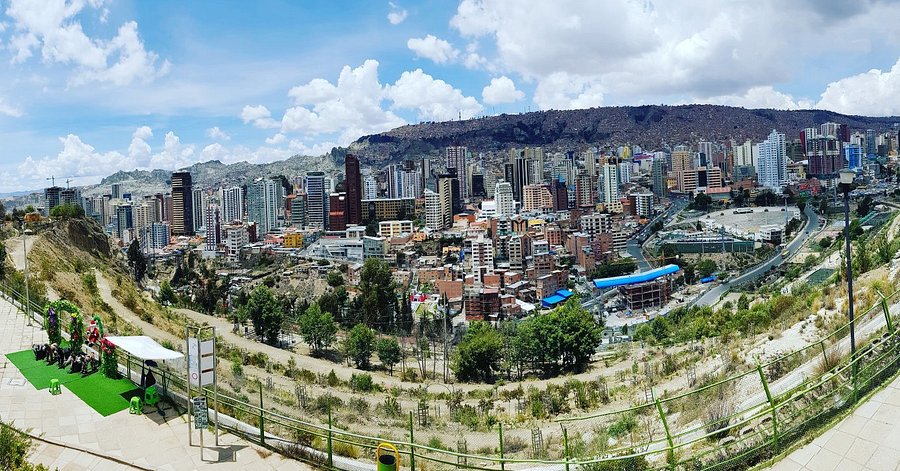
La Paz is one of the most striking cities on the continent due to its geography: it stretches across a massive Andean canyon, with neighborhoods climbing up and down the mountains. The urban experience here has a unique character, blending traditional markets, historic streets, natural viewpoints, emerging gastronomy, and a vibrant rhythm of life.
One of the best ways to explore the city is by using the urban cable car system, which allows you to move around while enjoying spectacular views. It is also worth visiting the Witches’ Market, strolling along Calle Jaén, and discovering historic plazas in the city center.
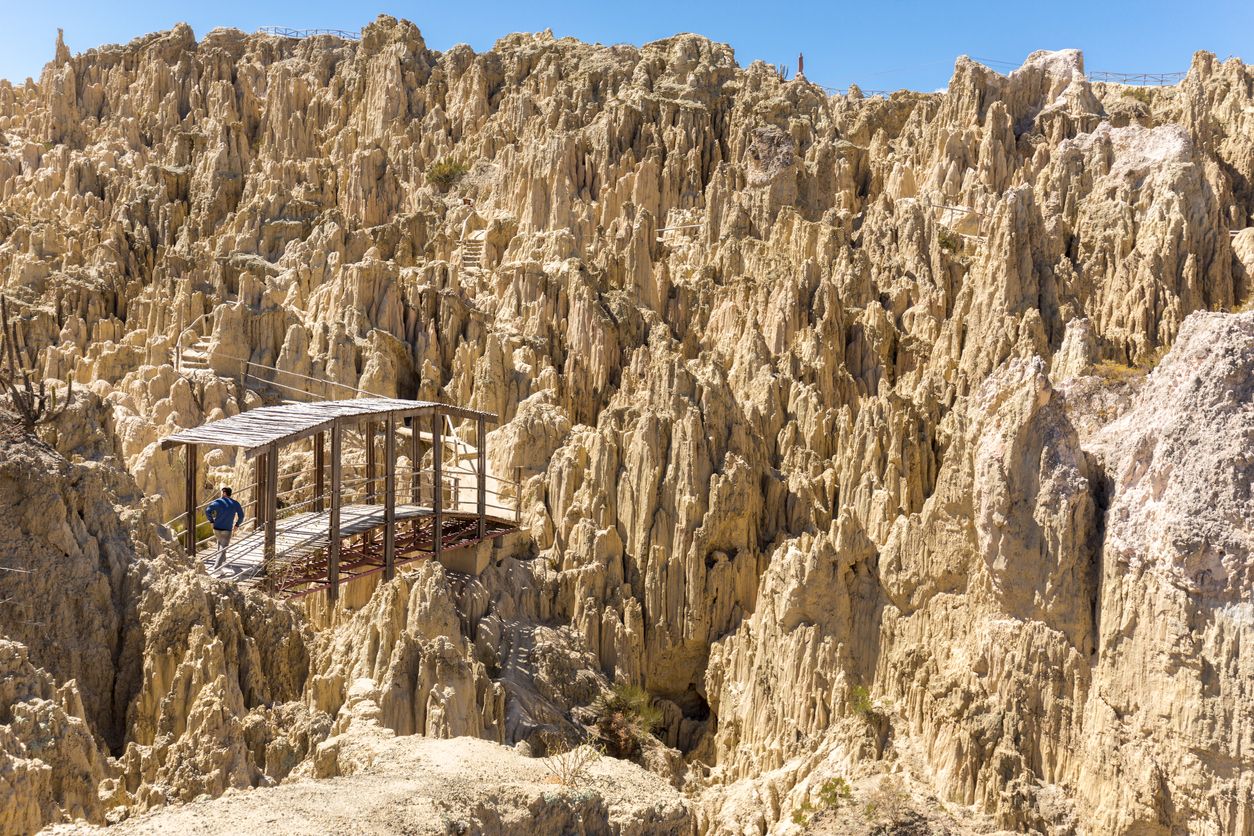
The Valley of the Moon is an easy escape from La Paz. Its eroded formations create a landscape that feels otherworldly: clay towers, narrow canyons, and short trails that are easy to walk. It is an ideal place for travelers looking for a light walk, unique photos, and a quick plan without leaving the city area.
The visit usually lasts between 45 minutes and 1.5 hours, depending on the circuit. If you go in the afternoon, the light enhances the shadows and makes the terrain look much more dramatic.
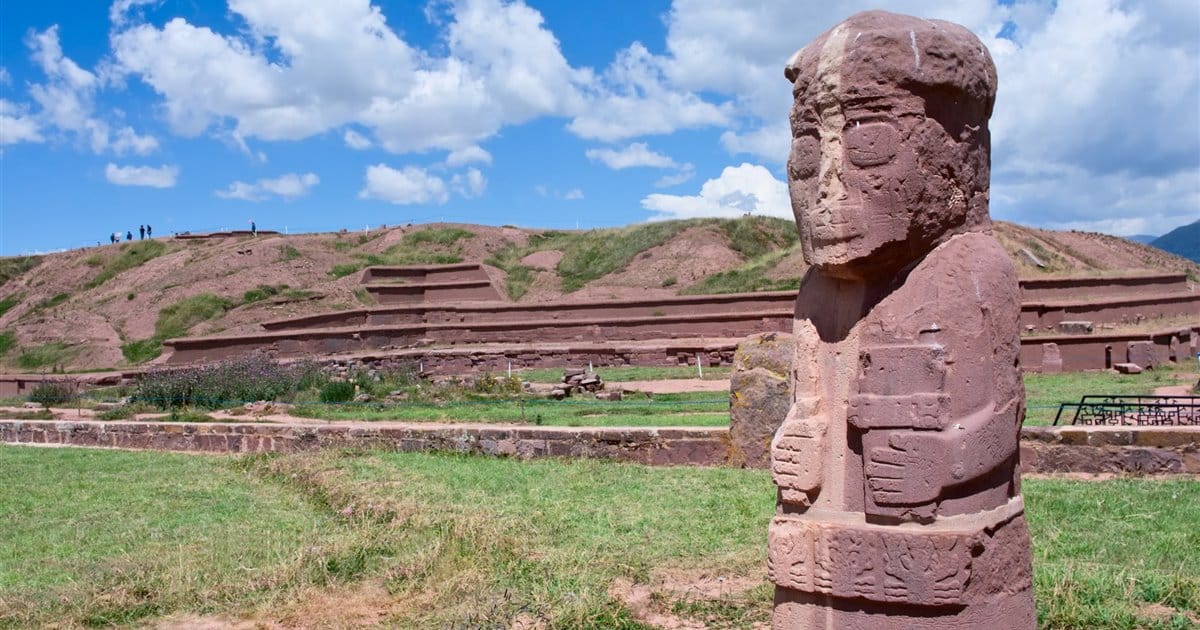
Tiwanaku is one of the most important archaeological sites in South America and a cornerstone of Bolivia’s history. Long before the rise of the Inca Empire, this civilization had already developed monumental architecture, urban planning, and a deep connection with astronomy and Andean worldview.
Among its most famous structures are the Gate of the Sun, the Kalasasaya complex, and the Akapana pyramid. The visit is far more meaningful with a guide, as symbols and historical context transform “ancient stones” into a rich cultural experience.
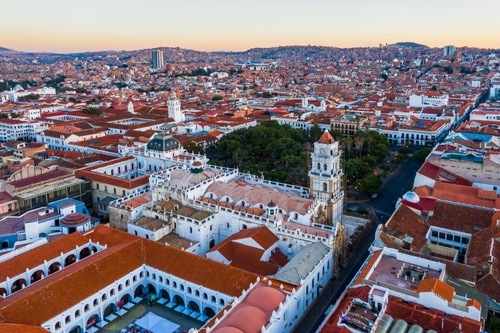
Sucre captivates visitors with its white colonial architecture, orderly plazas, and calm atmosphere that invites you to walk at an easy pace. It is Bolivia’s constitutional capital and a destination that blends history, culture, and local gastronomy. If you are looking for a pleasant place to rest from the intense altitude (without leaving the cultural route), Sucre is an excellent choice.
In addition to its viewpoints and museums, Sucre is a great place to enjoy markets, cafés, and a slower travel rhythm. Many travelers choose it as a “pause” before continuing toward Potosí or southern Bolivia.
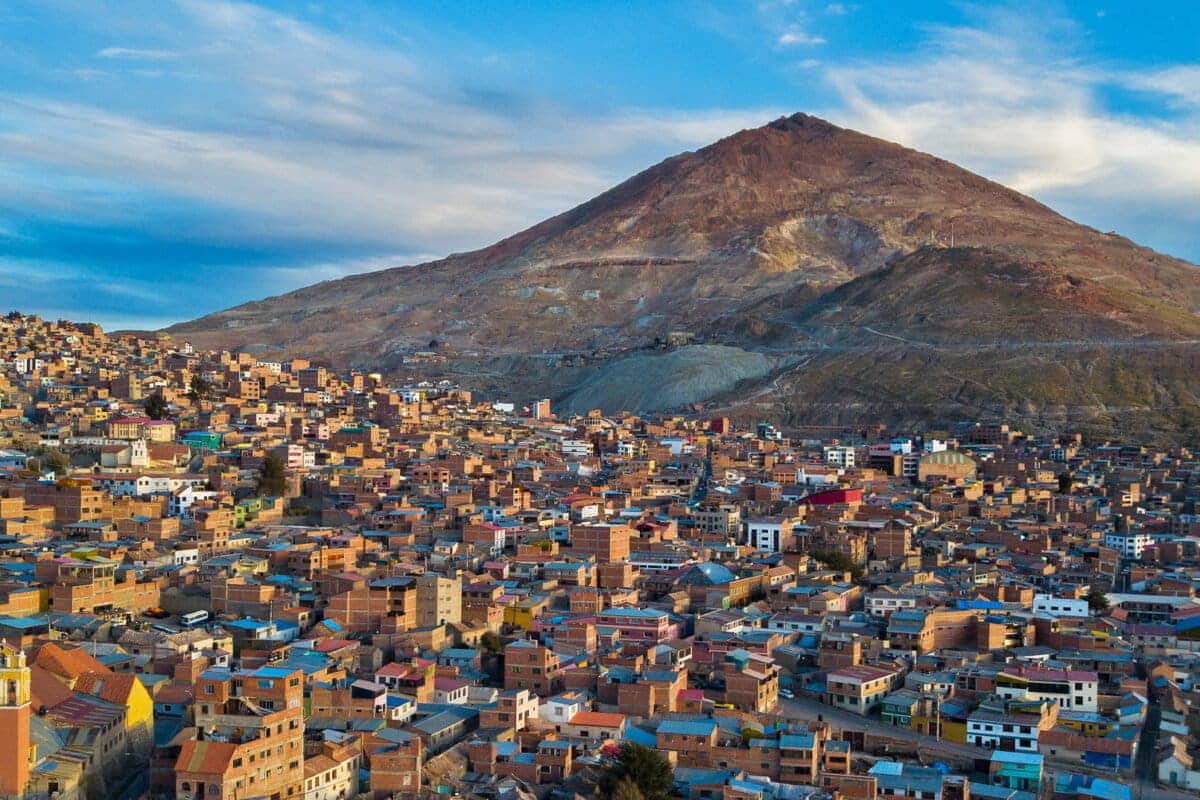
The city of Potosí was one of the most important cities on the planet during the colonial era thanks to the silver extracted from Cerro Rico. Visiting Potosí means stepping into an intense chapter of history: wealth, mining labor, and social impacts that are still visible today. A must-see site is the Casa de la Moneda, where you can understand Potosí’s global role in colonial economics.
Some routes include mining-related visits. If you choose this experience, safety and responsible operators should always be a priority.
“
Responsible travel notice:
Mining-related visits should only be done with certified operators, clear safety protocols, and a responsible approach. If in doubt, prioritize museums and historical tours that explain the context without exposing visitors to risk.”
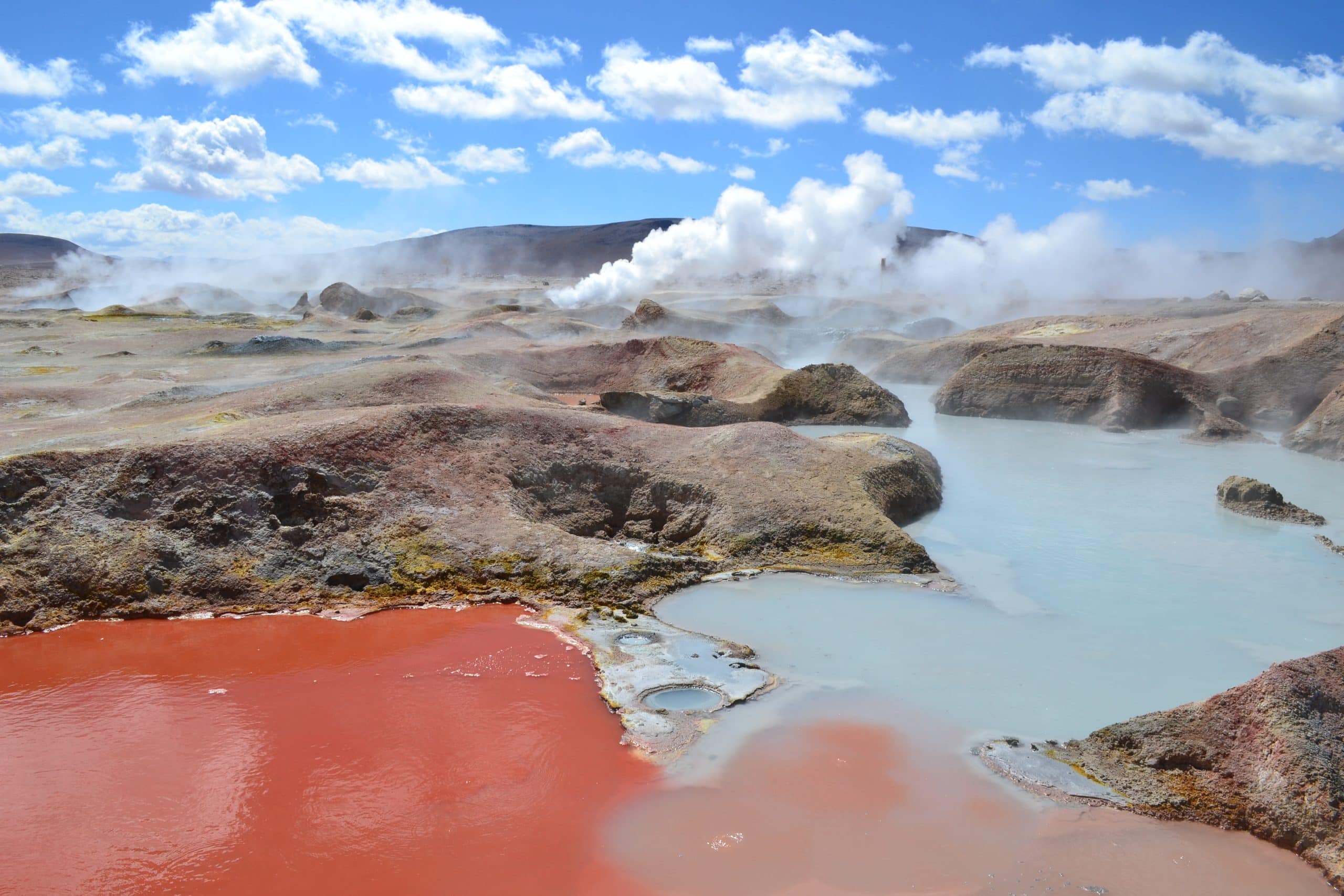
The Eduardo Avaroa Andean Fauna National Reserve, located in southern Bolivia, is a showcase of extreme nature. Here you will find landscapes that look painted: the famous Laguna Colorada with its reddish tones and flamingos, the Laguna Verde at the foot of volcanoes, geyser fields with steaming fumaroles, and wind-eroded rock formations.
The reserve is usually visited as part of a multi-day circuit from Uyuni (or connecting with Chile). It is one of the best experiences for travelers who love landscape photography and remote, end-of-the-world scenery.
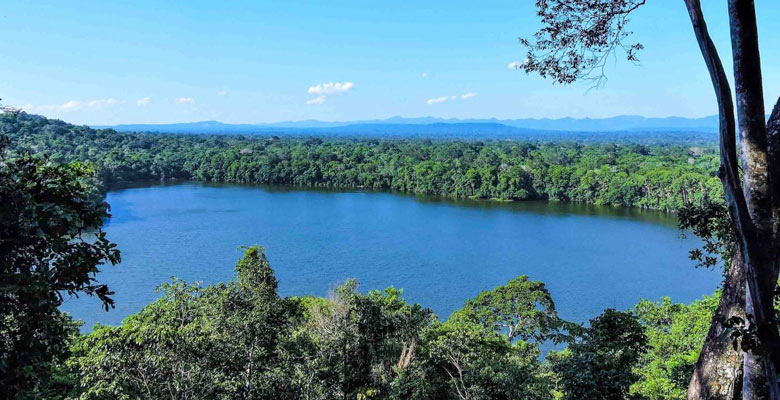
If your trip seeks a balance between highlands and rainforest, Madidi National Park is a powerful choice. It is considered one of the most biodiverse areas on the planet, with ecosystems ranging from mountains to Amazon rainforest. The experience here is completely different: rivers, jungle walks, birdwatching, wildlife, and medicinal plants, often guided by local communities.
Madidi is ideal for travelers looking for authentic experiences with a strong focus on conservation and learning. Lodges and programs vary widely, so choosing an operator with good environmental and community practices is essential.
“
Responsible tourism:
Many of Bolivia’s main tourist attractions are located in protected areas or community territories. Traveling with responsible operators improves safety, reduces environmental impact, and supports local economies.”
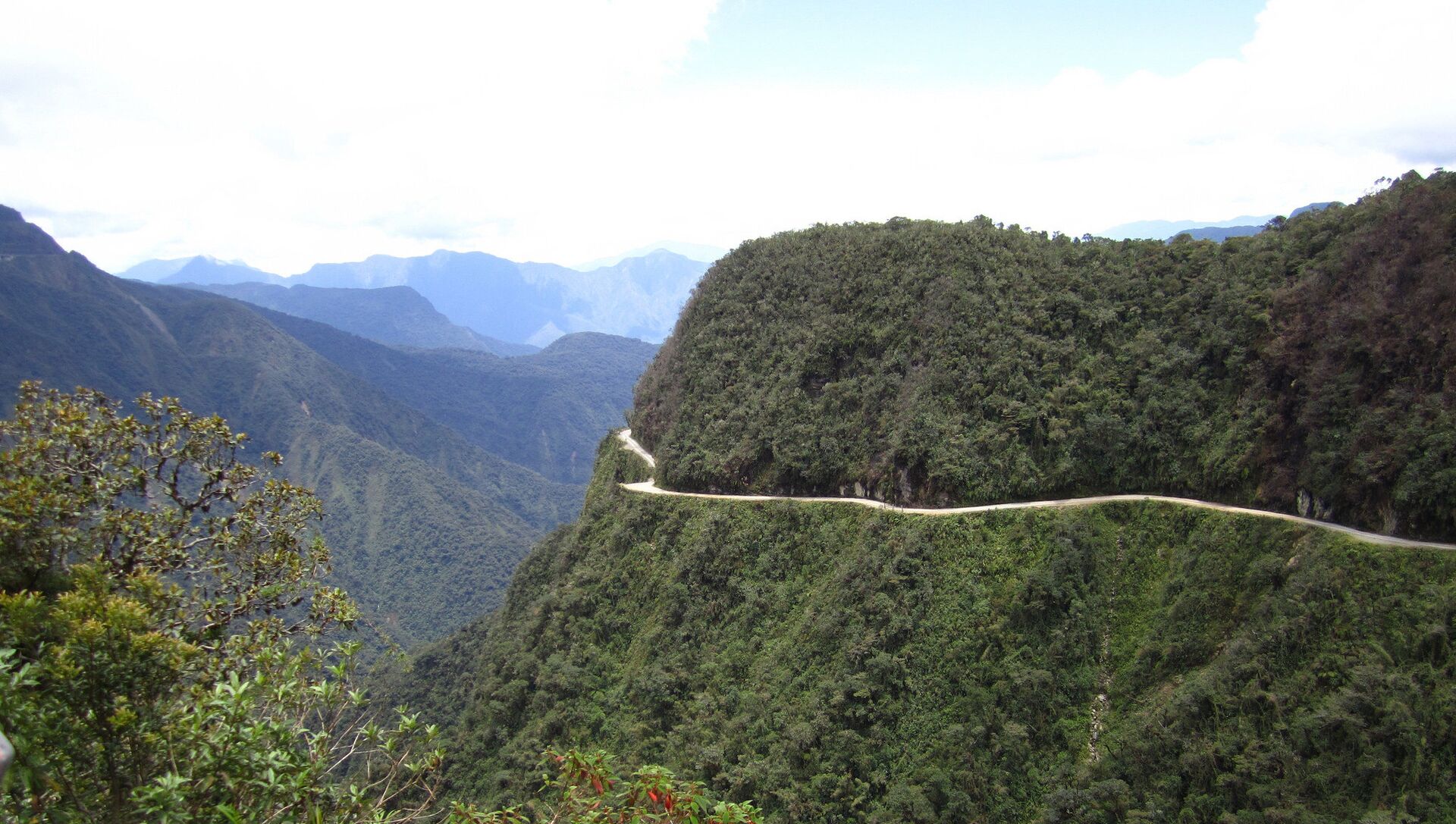
The Yungas Road is world-famous for its former reputation as a dangerous route, but today it is mainly traveled for tourism (especially cycling) under controlled conditions with specialized operators. The most impressive aspect is the contrast: within a few hours, you descend from cold high-altitude landscapes to subtropical jungle, with waterfalls, mist, and natural viewpoints.
It is one of Bolivia’s favorite destinations for travelers seeking adventure and an intense day, although alternative routes and scenic stops are also available for those who prefer a less extreme approach.
To fully enjoy Bolivia’s tourist attractions, it is important to plan according to the season and consider altitude. Many of the country’s most famous experiences (La Paz, Titicaca, Uyuni, and Avaroa) are located at high elevations. A smart itinerary allows you to acclimatize properly, avoid discomfort, and make the most of each destination.
“
Traveler tip:
The best strategy is to start in a high-altitude city (such as La Paz) and take it easy during the first 1–2 days. Stay hydrated, avoid alcohol at the beginning, and do not push long walks on day one. Your trip will be far more comfortable and enjoyable.”
Bolivia has the power to change your idea of what an “intense” journey means. Its extreme landscapes, cultural richness, and ecosystem diversity make every day feel different. If your goal is to experience the essentials, these 10 destinations are an excellent foundation. And if you want to go further, Bolivia always offers alternative routes, communities, nature, and authentic experiences worth your time.
“
Planning a trip to Bolivia?
At Conde Travel, we design personalized experiences so you can explore Bolivia’s top tourist attractions with clear logistics, responsible operators, and a tailor-made itinerary. Tell us your travel dates and style, and we will help you build the perfect route.”
Looking for a recommended itinerary? Contact us and we will suggest a 7, 10, or 14-day route based on your interests (culture, nature, adventure, or photography).

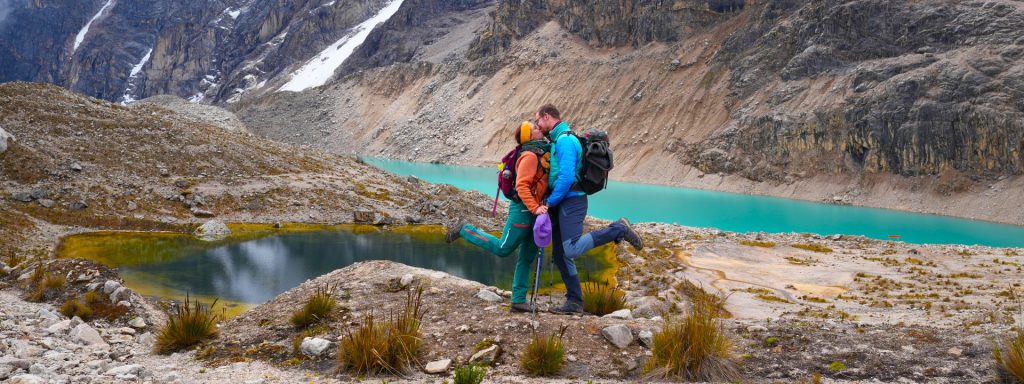
Inkachiriasqa Lake Full Day is a high-Andean adventure that takes you off the beaten path to one of the region’s hidden gems. The journey includes a scenic drive to Limatambo, a hike through remote mountain landscapes, and a rewarding visit to Inkachiriasqa Lake, a turquoise lake set beneath the Salkantay range. Along the way, you’ll […]
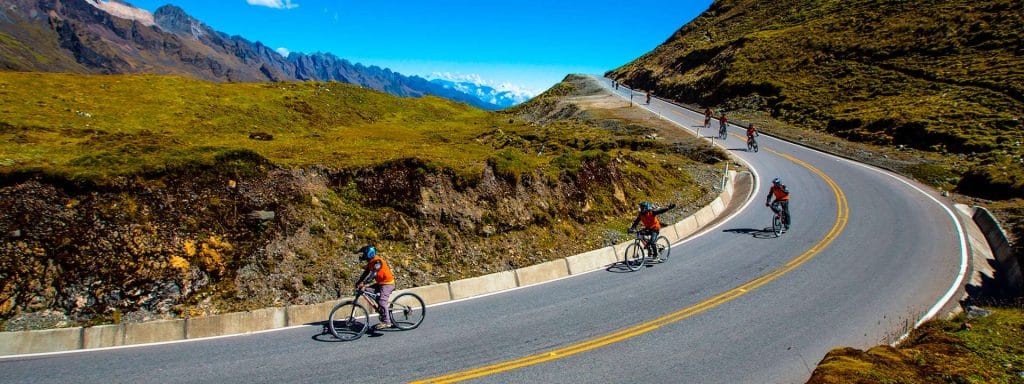
Dare to experience the Inca Jungle Trek adventure, an alternative 4-day tour packed with adrenaline, history, and nature! This incredible tour combines rafting, trekking, biking, and zip-lining, all in one unparalleled adventure package. Explore recently discovered Inca trails, where archaeological remains connect you with the ancient history of the Incas. Dare to conquer the imposing […]
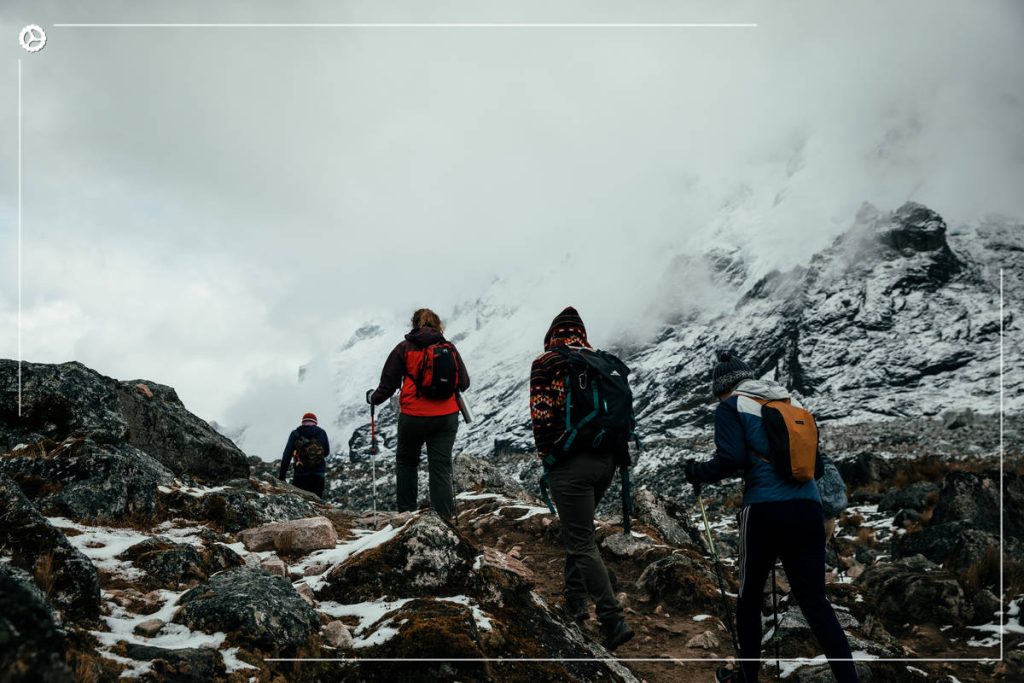
The 5-day Salkantay trek is one of the most renowned hiking routes in Cusco, considered the second most popular after the Inca Trail. This route combines breathtaking natural landscapes with a rich cultural heritage in an exceptional way. Along the way, you can admire majestic snow-capped mountains and a turquoise lagoon, known as Laguna Humantay, […]