


Peru is known for its incredible gastronomy, and among its most unique culinary traditions are traditional guinea pig dishes, prepared with cuy (guinea pig). For many travelers, the idea of eating guinea pig might seem unusual at first, but in the Andes, it has been an essential part of the local diet for thousands of years.
In fact, cuy has been consumed in the Andean region for more than 5,000 years, long before the Inca civilization existed. Today, it remains a cultural and culinary symbol in regions like Cusco, Arequipa, and Ayacucho, where many traditional dishes continue to be prepared using recipes passed down through generations.
“
During my travels in Cusco, I had the opportunity to try several cuy dishes. At first, I was curious and a bit unsure about the flavor, but after tasting it, I understood why it’s considered a delicacy in the Andes.
”
If you are visiting Peru and want to experience authentic Andean cuisine, these are four traditional guinea pig dishes you should definitely try.
What Is Cuy and Why Is It Popular in Peru?
Cuy is the Spanish name for the Andean guinea pig, a small animal traditionally raised in homes across the highlands of Peru, Ecuador, and Bolivia. Unlike the guinea pigs kept as pets in many parts of the world, in the Andes they are an important source of protein and a key element of traditional cuisine.
“
Travel Experience: While doing a tour in Cusco, I once visited a rural home where the family raised many cuyes. I asked them about the benefits of eating cuy, and they explained that its meat is highly nutritious. According to them, it helps prevent anemia and cardiovascular problems, and it also contains a good amount of collagen and protein.
”
Cuy meat is also known for being lean, tender, and rich in nutrients, which makes it a valued food in the Andean diet.
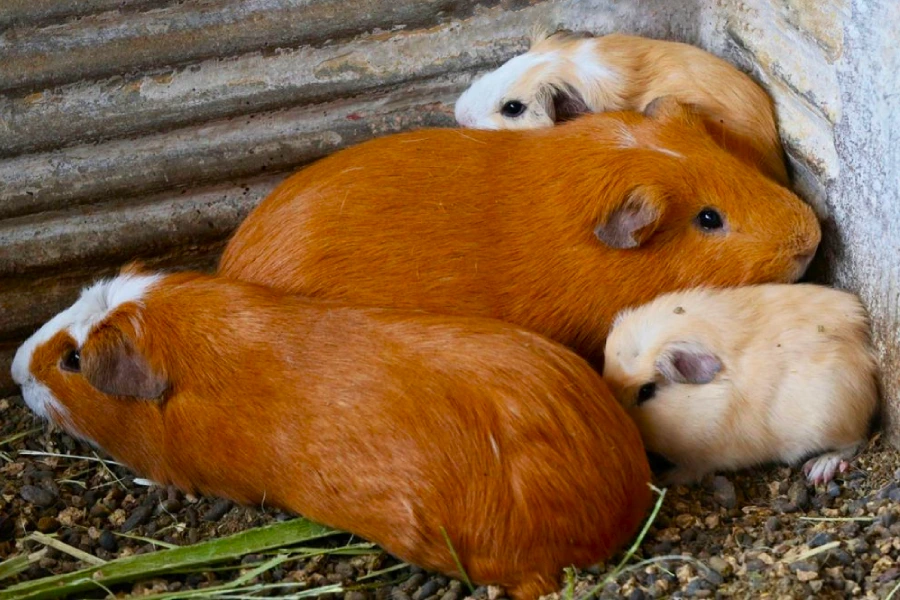
Cuy has been raised in the Andes for more than 5,000 years.
The Cultural History of Cuy in the Andes
Cuy has deep historical roots in Andean culture. Archaeological evidence shows that guinea pigs were domesticated in the Andes thousands of years ago, and they played an important role in pre-Columbian societies.
During the time of the Inca Empire, cuy was not only eaten as food but was also used in traditional ceremonies and celebrations. Even today, cuy dishes are commonly served during festivals, family gatherings, and special occasions in many Andean communities.
This strong cultural connection is one of the reasons why trying cuy is considered a unique cultural experience for travelers visiting Peru.
The Most Popular Traditional Guinea Pig Dishes in Peru
Peruvian cuisine includes several traditional guinea pig dishes, each prepared with different cooking techniques and regional flavors. Some recipes focus on crispy textures, while others highlight slow cooking and rich broths.
During my time in Cusco, I had the opportunity to try several of these dishes. Each preparation has its own personality, and trying them gave me a deeper appreciation for how important cuy is in Andean gastronomy.
Here are four of the most popular traditional cuy (guinea pig) dishes in Peru.
1. Cuy al Horno (Roasted Guinea Pig)
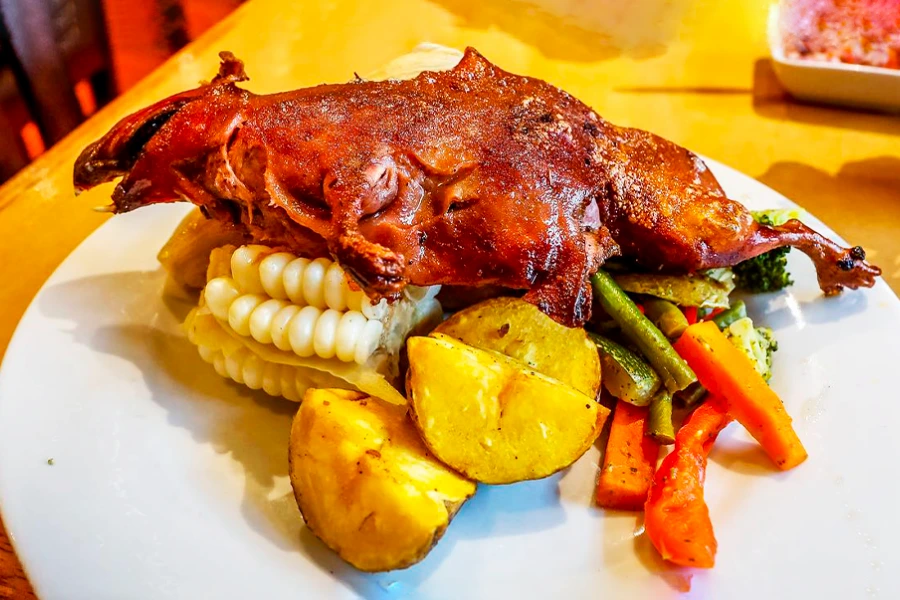
Cuy al horno is a classic roasted guinea pig dish often served during celebrations in the Andes.
Cuy al horno is one of the most iconic traditional guinea pig dishes in Peru. The guinea pig is usually marinated with garlic, cumin, salt, and local spices before being roasted in a traditional oven until the skin becomes golden and crispy.
This dish is often served with Andean potatoes, corn, and salad, creating a complete and satisfying meal.
“
I’ve had the chance to try cuy al horno on different occasions, and if I had to choose my favorite among the traditional guinea pig dishes, this would probably be it. The outside becomes crispy while the meat stays juicy and flavorful inside.
”
Each time I tried it, the balance between the roasted flavor and the spices made it easy to understand why it is one of the most beloved cuy dishes in the Andes.
2. Cuy Chactado (Crispy Flattened Cuy)
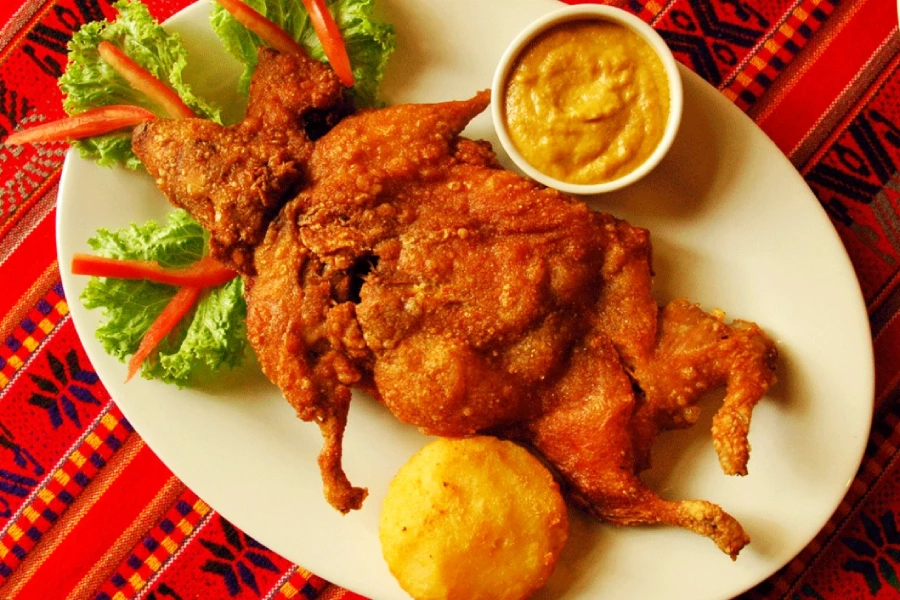 Cuy chactado is one of the most popular traditional guinea pig dishes in Peru.
Another famous dish is cuy chactado, a specialty from southern Peru, particularly in regions like Arequipa and Cusco.
To prepare this dish, the cuy is flattened and fried under a heavy stone or press. This technique gives the meat a very crispy texture, which is one of the reasons why locals and travelers enjoy it so much.
Cuy chactado is usually served with:
- boiled potatoes
- corn
- fresh salad
- spicy sauces such as ají
The crispy skin and strong flavor make it one of the most recognizable traditional guinea pig dishes for visitors exploring Andean cuisine.
3. Caldo de Cuy (Guinea Pig Soup)
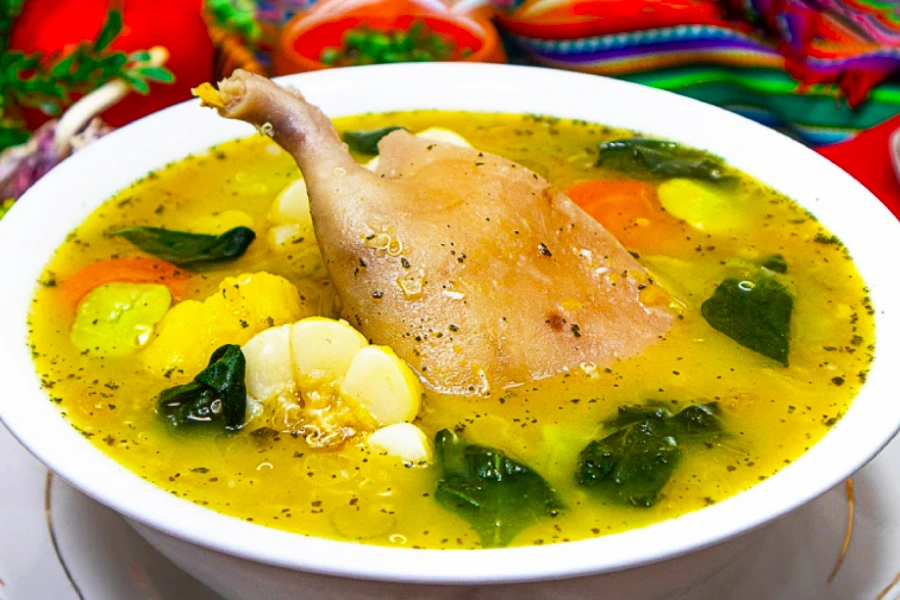
Caldo de cuy is a traditional Andean soup known for its rich flavor and tender meat.
Caldo de cuy is a comforting Andean soup that highlights a completely different side of cuy cuisine.
Unlike the crispy dishes, this recipe focuses on a rich broth made with herbs, vegetables, and guinea pig meat, slowly cooked until it becomes very tender.
“
The first time someone offered me caldito de cuy, I have to admit that it didn’t look very appealing at first. However, when I tried it, I was surprised by how good it tasted. The broth was flavorful, and the meat had an incredibly soft texture that made it very easy to eat.
”
This dish shows that traditional guinea pig dishes are not only about frying or roasting; they also include comforting soups that are deeply rooted in Andean cooking traditions.
4. Pepián de Cuy (Traditional Andean Cuy Stew)
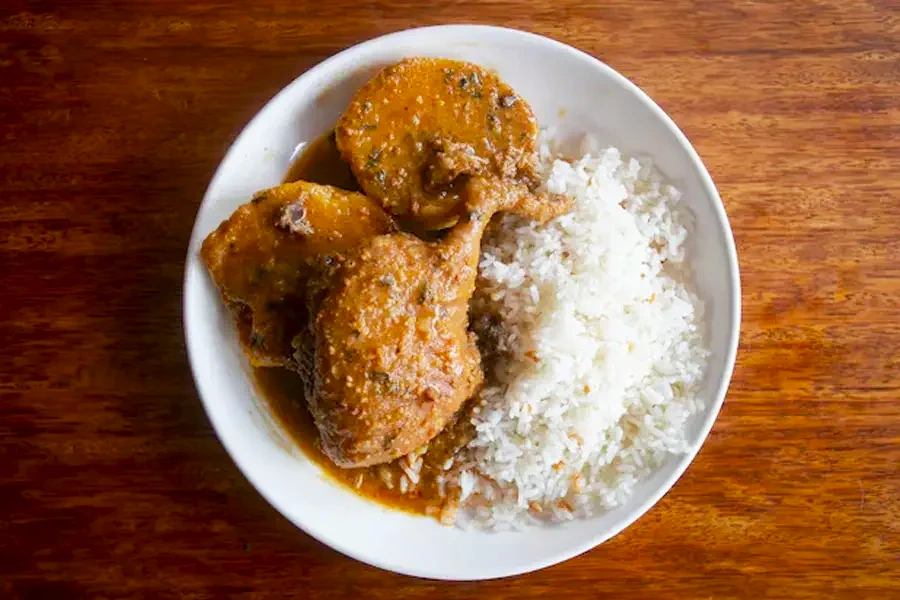
Pepián de cuy is a traditional stew that highlights the diversity of guinea pig dishes in Peru.
Pepián de cuy is one of the lesser-known but very traditional dishes in Andean cuisine.
This dish is a thick stew prepared with cuy meat, ground corn, spices, and local herbs. The mixture creates a rich and flavorful sauce that coats the meat and gives the dish a distinctive texture.
Pepián has deep roots in regional cooking traditions and is often prepared during special occasions or family gatherings.
Although it may not be as famous among tourists as cuy chactado or cuy al horno, pepián de cuy is an excellent example of how diverse traditional guinea pig dishes can be in Peru.
Is Guinea Pig Meat Healthy?
Besides its cultural importance, cuy meat is also known for its nutritional benefits.
During a visit to a rural home in Cusco where families raised guinea pigs, I asked locals why cuy was considered such an important food. They explained that the meat is highly nutritious and commonly recommended in traditional diets.
Some of the benefits often associated with cuy meat include:
- High protein content
- Low-fat compared to other meats
- Rich in minerals
- Contains collagen
Because of these qualities, cuy has been valued as a healthy source of nutrition in the Andes for generations.
Where to Eat Cuy in Cusco
If you want to try authentic traditional guinea pig dishes, Cusco is one of the best places in Peru to do it. Many local restaurants serve cuy prepared with traditional Andean recipes passed down through generations.
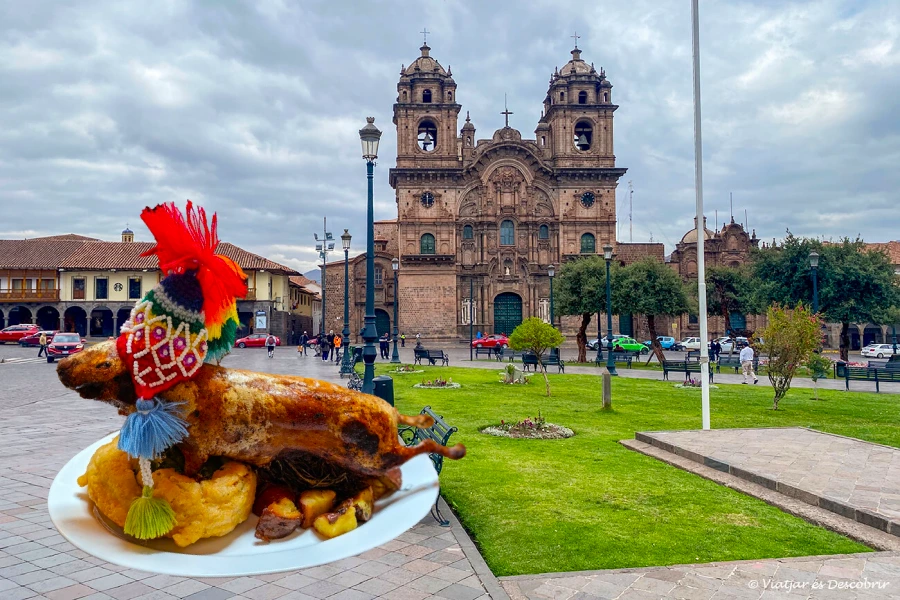
Trying cuy in Cusco is a unique culinary experience for travelers visiting Peru.
Here are some well-known places where travelers often try cuy in Cusco:
Pachapapa
Located in the traditional neighborhood of San Blas, this restaurant is famous for its rustic atmosphere and traditional Andean cuisine. Pachapapa is particularly known for its cuy al horno, cooked in a traditional clay oven and served with potatoes and fresh salad.
Kusykay Peruvian Craft Food
This restaurant offers a modern take on Peruvian cuisine while still respecting traditional flavors. Visitors can try cuy dishes presented in a more contemporary style while still experiencing authentic Andean ingredients.
Morena Peruvian Kitchen
Located near the Plaza de Armas, Morena is a popular restaurant among travelers who want to explore Peruvian gastronomy. Their menu includes several traditional dishes, and it is a comfortable place for visitors trying cuy for the first time.
Trying cuy in Cusco is not only about tasting one of Peru’s most unique foods—it is also a chance to experience the culinary traditions of the Andes. Many restaurants prepare cuy using recipes that have been part of local culture for generations.
“
If you are curious about traditional guinea pig dishes, visiting a traditional restaurant in Cusco is one of the best ways to experience this unique part of Peruvian cuisine.
”
Curious Fact About Cuy in Andean Culture
Here’s an interesting cultural fact:
Guinea pigs were domesticated in the Andes more than 5,000 years ago, making them one of the oldest traditional food sources in the region.
Archaeologists have even found ceramic representations of cuyes in ancient Andean cultures, showing how important these animals were long before the Inca Empire.
Should You Try Traditional Guinea Pig Dishes in Peru?
Trying cuy might feel unusual for many visitors at first, especially if guinea pigs are seen as pets in their home countries. However, in Peru they are an important part of local culinary heritage.
From crispy preparations like cuy chactado to comforting recipes like caldo de cuy, these traditional dishes offer a unique way to experience Andean culture through food.
Personally, after trying several traditional guinea pig dishes in Cusco, I can say that each one has its own charm. The textures, flavors, and cooking techniques make them very different from each other.
If you ever travel to Peru, especially to Cusco, I highly recommend giving one of these dishes a try. You might be surprised by how delicious they are—and you’ll also get to experience a piece of authentic Andean tradition.
You may also be interested in: The 12 Dishes You Must Try in Peru.
Conclusion
Peru’s gastronomy is full of unique flavors and traditions, and traditional guinea pig dishes are one of the most distinctive examples of Andean cuisine. For thousands of years, cuy has been an important part of the local diet and cultural identity in the Andes.
From crispy preparations like cuy chactado and cuy frito, to flavorful recipes such as cuy al horno, caldo de cuy, and pepián de cuy, each dish offers a different way to experience this traditional ingredient.
During my time in Cusco, trying these dishes helped me understand why cuy continues to be such an important part of local culture. Each preparation had its own flavor and texture, making the experience both unique and memorable.
If you ever visit Peru, especially the Andean regions like Cusco, trying one of these traditional guinea pig dishes is a great way to connect with the country’s culinary heritage and discover a truly authentic local experience.