

Located in the heart of the Sacred Valley of the Incas, about 33 km from the city of Cusco, the town of Pisac is one of the most fascinating destinations in the region.
However, many travelers notice something curious when researching the place:
Is it spelled Pisac or Pisaq?
The answer is connected to the Quechua language, Inca history, and the adaptation of indigenous words into Spanish. Beyond the name itself, Pisac is known for its spectacular archaeological site, traditional market, and breathtaking views of the Sacred Valley.
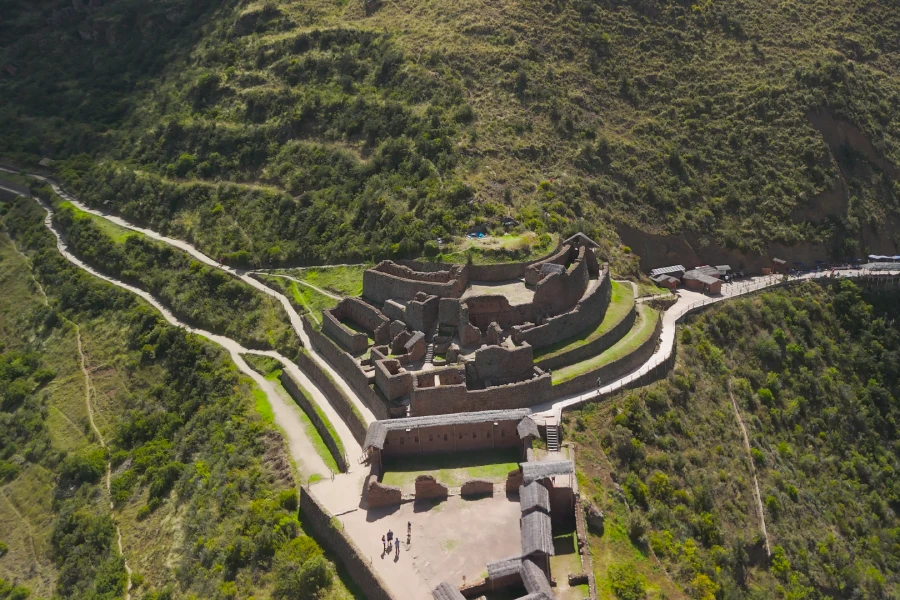
Pisac ruins terraces in the Sacred Valley near Cusco, Peru.
Practical Information About Pisac
Before visiting Pisac, it helps to know a few important travel details.
| Information | Details |
|---|---|
| Location | Sacred Valley of the Incas, Cusco – Peru |
| Altitude | 2,972 meters / 9,751 ft |
| Distance from Cusco | 33 km |
| Travel time | 40–50 minutes |
| Climate | Mild during the day, cooler at night |
| Best time to visit | April to October (dry season) |
The Sacred Valley often has slightly warmer weather than Cusco, making it a comfortable place for travelers adjusting to the altitude.
Pisac or Pisaq: Which Spelling Is Correct?
Both spellings are correct, but they come from different linguistic traditions.
- Pisaq is closer to the original Quechua spelling.
- Pisac is the Spanish adaptation that became more widely used over time.
Many Quechua words end with the letter “q”, which represents a sound that did not exist in Spanish. During the colonial period, many place names were modified to make them easier to pronounce in Spanish.
Today, you may see both versions used in different contexts:
- Pisaq → used in historical or cultural references
- Pisac → commonly used in maps, tourism information, and travel guides
In practice, both refer to the same town in the Sacred Valley.
The Origin of the Name Pisaq
The name Pisaq comes from the Quechua word “p’isaqa”, which refers to a type of Andean partridge.
“
According to local tradition, the ancient settlement of Pisaq was symbolically designed in the shape of this bird, which was considered significant within the Andean worldview.
”
In Inca culture, it was common for cities or ceremonial centers to be designed in connection with animals, mountains, or natural elements. This reflects the deep relationship between the Incas and the natural world.
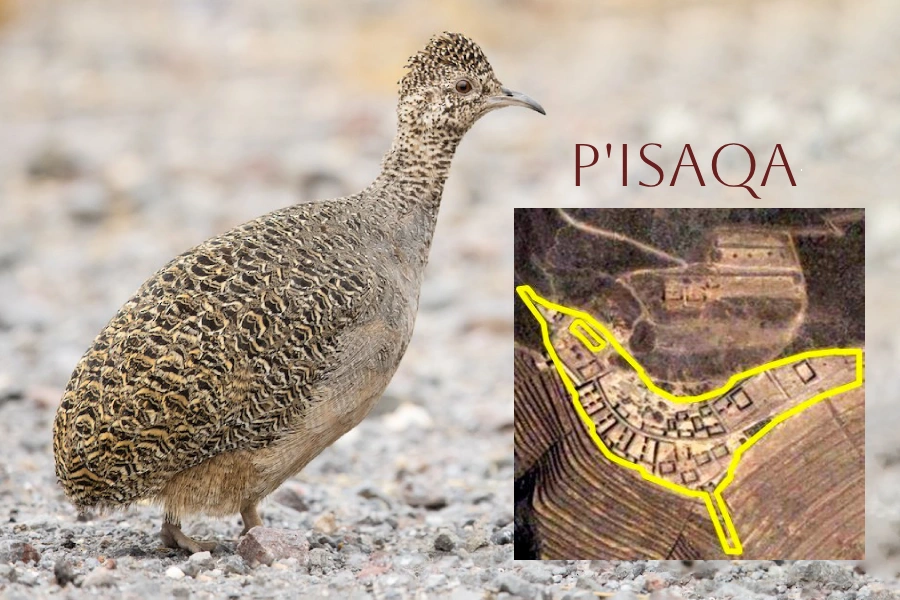
Andean partridge bird known as p’isaqa in Quechua.
History of Pisac in the Sacred Valley
Pisac played an important role during the Inca Empire, particularly under the rule of the emperor Pachacutec, one of the most influential leaders of the Inca civilization.
The site served several purposes:
- agricultural center
- strategic control point in the valley
- ceremonial and religious site
The Incas constructed extensive agricultural terraces along the mountainsides, allowing crops to grow efficiently in steep terrain.
After the Spanish conquest in the 16th century, the original settlement was reorganized and moved to the valley floor, forming the modern colonial town of Pisac that visitors see today.
The Pisac Archaeological Site
The Pisac archaeological site is one of the most impressive Inca complexes in the Sacred Valley.
Located high above the valley, it offers stunning panoramic views and remarkable examples of Inca engineering.
Agricultural Terraces
The terraces of Pisac are among the most spectacular in the Andes.
They were designed to:
- Prevent soil erosion
- Create different microclimates for crops
- Maximize agricultural productivity
Today, these terraces are one of the most iconic landscapes in the Sacred Valley.
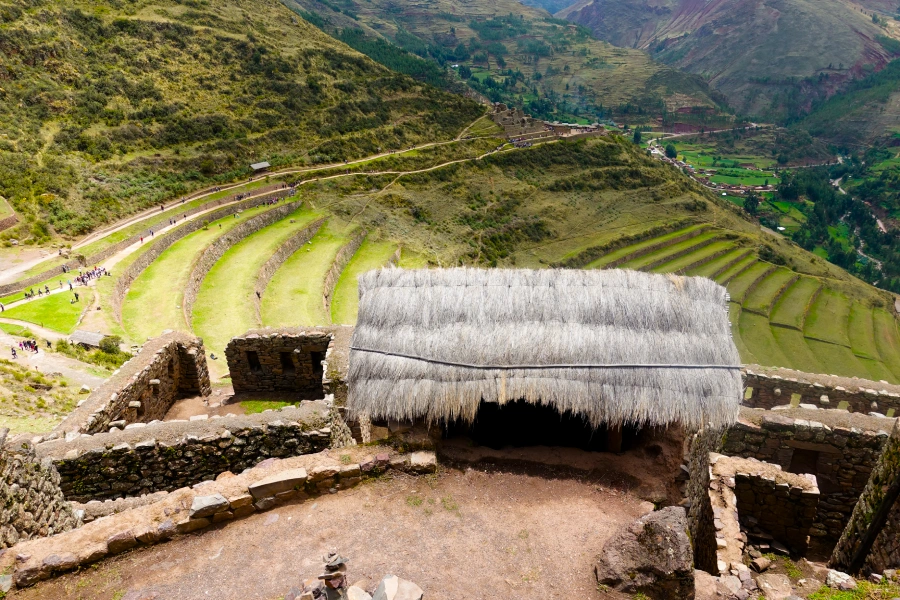
Inca agricultural terraces at Pisac archaeological site.
Temples and Ceremonial Structures
Within the archaeological complex, you can find:
- Ceremonial temples
- Residential areas
- Defensive towers
- Irrigation channels
Archaeologists believe the site also functioned as a religious and ceremonial center connected to agricultural rituals.
The Famous Pisac Market
The Pisac artisan market is one of the most famous markets in the Cusco region.
Visitors can find a wide variety of traditional Andean crafts, such as:
- handmade textiles
- silver jewelry
- ceramics
- paintings and souvenirs
“
Walking through the Pisac market is one of the most authentic cultural experiences in the Sacred Valley, where local artisans continue to create handmade crafts using traditional techniques.
”
The market is especially lively on Sundays, when the largest local fair takes place.
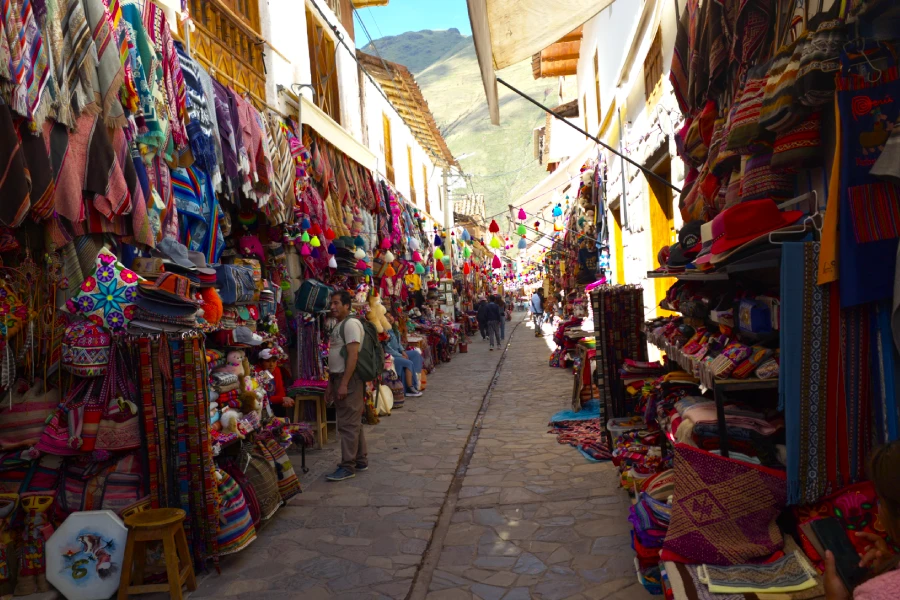
Pisac artisan market with traditional Andean textiles.
How to Get to Pisac from Cusco
Pisac is located about 33 km from Cusco, and there are several ways to reach it.
The most common options include:
Local buses
- Depart regularly from Cusco
- Affordable option
- Travel time is about 45 minutes
Taxi or private transport
- Faster and more comfortable
- Ideal for small groups
“
Traveler tip:
To visit the Pisac archaeological site, you need the Cusco Tourist Ticket, which also includes entrance to several other important sites in the Sacred Valley. The ticket is available in different versions, including a full ticket and partial tickets depending on which sites you plan to visit.
”
Explore Pisac on a Sacred Valley Full Day Tour
Many travelers visit Pisac as part of a Sacred Valley tour from Cusco, one of the most popular excursions in the region.
Our Sacred Valley Full Day Tour includes a visit to the impressive Pisac archaeological site, where you can explore the terraces and enjoy spectacular views of the valley.
The tour also gives visitors time to walk through the traditional Pisac artisan market before continuing to other important destinations in the Sacred Valley.
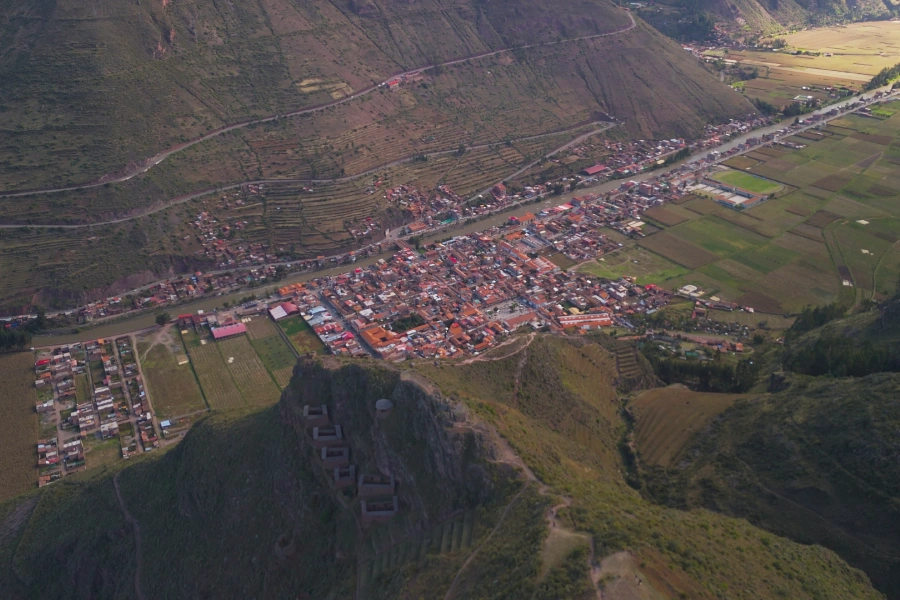
Sacred Valley landscape near Pisac, Cusco, Peru.
Things to do in Pisac
Some of the most popular activities include:
- Exploring the Pisac archaeological site
- Visiting the artisan market
- Walking through the colonial town
- Enjoying scenic viewpoints in the Sacred Valley
Thanks to its unique mix of history, culture, and landscapes, Pisac is considered one of the must-see destinations in the Sacred Valley.
Conclusion
The difference between Pisac and Pisaq reflects the linguistic history of the Andes. While Pisaq preserves the original Quechua spelling, Pisac became the more common version in Spanish.
Beyond the name, this charming town offers a remarkable combination of Inca history, breathtaking landscapes, and living Andean traditions.
For travelers exploring Cusco and the Sacred Valley, Pisac is an essential stop.