

Knowing how to avoid altitude sickness in Cusco is essential for enjoying your trip. Located at 3,400 m (11,150 ft), Cusco’s altitude can affect even experienced travelers.
As a local tour operator, we’ve seen how proper preparation can make the difference between an amazing trip and a difficult one. The good news? Altitude sickness is often preventable.
Understanding how to avoid altitude sickness in Cusco before you arrive can make the difference between a smooth experience and a difficult one.
What Causes Altitude Sickness in Cusco?
Altitude sickness happens when your body doesn’t get enough oxygen at high elevations.
In Cusco, this can lead to:
- Headaches
- Nausea
- Fatigue
- Shortness of breath
These symptoms usually appear within the first 24 hours after arrival.
Learning how to avoid altitude sickness in Cusco starts with understanding what causes it.
How to Avoid Altitude Sickness in Cusco: 10 Proven Strategies That Work
The best way to deal with altitude sickness is to prevent it. Here are the most effective strategies:
1. Acclimatize Before Any High-Altitude Activity
The most effective way to reduce the risk is to give your body time to adjust.
Spend at least 2–3 days in Cusco before doing hikes like Humantay Lake or Rainbow Mountain. During this time, keep your activities light and avoid physical stress.
This single step can dramatically reduce symptoms. This is the most effective way when learning how to avoid altitude sickness in Cusco.
2. Start with Easy Activities (City Tour Cusco)
Instead of resting completely, we recommend doing light sightseeing.
A great option is the City Tour Cusco, which includes nearby sites like Sacsayhuamán and Qenqo. It’s a low-intensity activity that helps your body gradually adapt to the altitude.
This is one of the best ways to combine acclimatization with exploration. It helps your body adapt gradually while you explore the city.
3. Stay Consistently Hydrated
At high altitude, your body loses fluids faster.
Drink water regularly throughout the day—even if you don’t feel thirsty. Proper hydration helps your body transport oxygen more efficiently.
4. Try Coca Tea or Natural Remedies
Coca tea is widely used in the Andes to relieve mild altitude symptoms.
While it’s not a cure, many travelers report feeling better after drinking it, especially during the first days in Cusco.
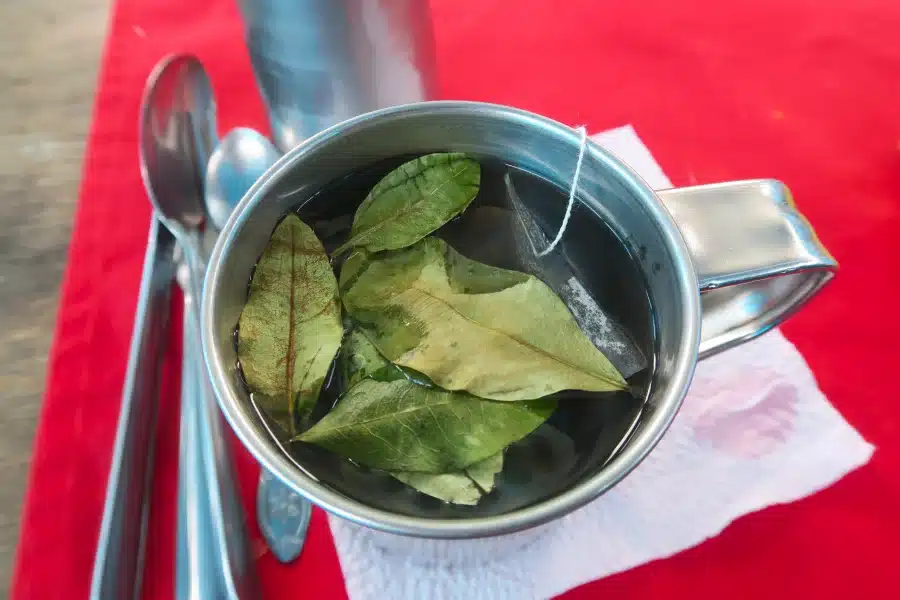
Coca tea, a traditional remedy for altitude sickness in Cusco
5. Slow Down Your Pace
One of the biggest mistakes is trying to do too much too fast.
Walk slowly, avoid rushing uphill, and focus on steady breathing. This becomes especially important during hikes.
6. Eat Light and Easy-to-Digest Meals
Heavy meals can make symptoms worse.
We recommend:
- soups
- vegetables
- light carbohydrates
Eating light helps your body focus on adapting.
7. Consider Preventive Medication
Some travelers use medication like acetazolamide to prevent altitude sickness.
Always consult your doctor before taking any medication.
8. Get Quality Rest
Sleep is essential for acclimatization.
Even if your sleep is lighter at altitude, giving your body time to rest helps speed up adaptation.
9. Avoid Alcohol and Excess Caffeine
Alcohol can worsen dehydration and make symptoms stronger.
It’s best to avoid it during your first days in Cusco.
10. Listen to Your Body
Pay attention to how you feel.
If symptoms appear:
- rest
- hydrate
- avoid physical effort
Ignoring early signs is one of the main reasons altitude sickness gets worse.
You might also be interested in → Humantay Lake Difficulty: How Hard Is This Stunning Hike?
Common Mistakes Travelers Make
Many of these mistakes happen because travelers don’t fully understand how to avoid altitude sickness in Cusco before arriving.
Avoid these:
- Arriving and hiking immediately
- Drinking alcohol on the first day
- Ignoring early symptoms
- Not drinking enough water
These are the main reasons travelers struggle with altitude.
Is Altitude Sickness Dangerous?
In most cases, symptoms are mild.
However, severe cases require medical attention. Always take symptoms seriously.
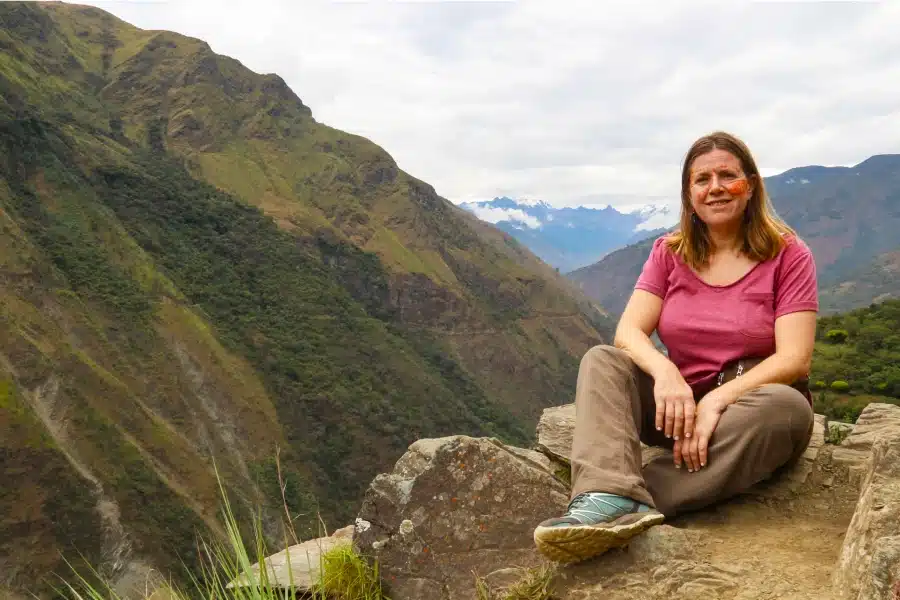
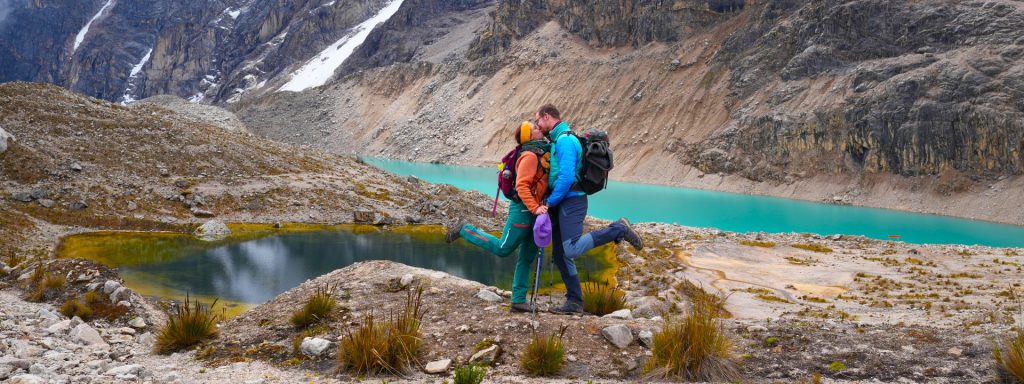
Traveler enjoying his hike in Cusco after proper acclimatization
Final Tips from Local Guides
From our experience:
- Most travelers feel better after 1–2 days
- The first day is the most important
- Starting slow leads to a much better trip
By following these tips, you’ll clearly understand how to avoid altitude sickness in Cusco and enjoy your trip much more.
“
Planning your trip to Cusco?
Travel with local experts and enjoy your experience safely from day one. Contact us!
”