

The Choquequirao Trek is one of the most challenging and rewarding hiking adventures in Peru. Often described as the alternative to Machu Picchu, this multi-day trek takes hikers through the spectacular Apurímac Canyon to reach Choquequirao, a remarkable Inca archaeological site hidden in the Andes.
Unlike other popular trekking routes, the Choquequirao Trek remains relatively uncrowded, offering a more remote and authentic experience. Along the way, you’ll encounter dramatic mountain landscapes, steep climbs, ancient ruins, and breathtaking viewpoints.
Having completed the trek myself, what stood out most were the constantly changing landscapes and the sense of tranquility that is increasingly difficult to find on more popular routes.
In this guide, you’ll learn everything you need to know about the Choquequirao Trek, including difficulty, distance, elevation, itineraries, costs, and practical tips to help you prepare for the adventure.
Choquequirao Trek Quick Facts
| Feature | Details |
|---|---|
| Duration | 4–5 Days |
| Distance | 62–70 km (38–43 miles) |
| Difficulty | Challenging |
| Highest Elevation | 3,050 m (10,007 ft) |
| Starting Point | Capuliyoc |
| Best Time to Visit | May to September |
| Guide Required | No, but recommended |
| Trek Type | Out-and-back or extended to Machu Picchu |
What is the Choquequirao Trek?
The Choquequirao Trek is a multi-day hiking route that leads to Choquequirao, one of the largest and most important Inca archaeological complexes in Peru. Located high above the Apurímac Canyon, the site is often referred to as the “sister city” of Machu Picchu due to its architectural similarities and historical significance.
Unlike Machu Picchu, however, reaching Choquequirao requires a demanding trek through rugged terrain. There are currently no trains or easy transportation options that allow direct access to the ruins. As a result, only a small number of travelers visit the site each year.
The trek typically begins near the village of Capuliyoc and involves descending into the Apurímac Canyon before climbing back up toward the archaeological complex. Depending on the itinerary chosen, hikers can complete the route in four or five days, while some continue all the way to Machu Picchu on longer expeditions.
One of the greatest attractions of the Choquequirao Trek is the feeling of discovery. Many travelers describe it as a chance to experience what Machu Picchu might have felt like decades ago, before it became one of the world’s most visited archaeological sites.
Want to learn more about the archaeological site? Read our complete guide to Choquequirao.
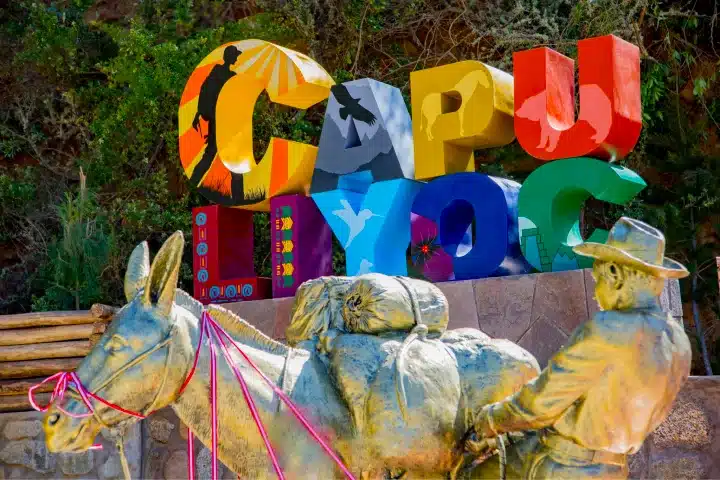
Capuliyoc, the gateway to the Choquequirao Trek.
How Difficult Is the Choquequirao Trek?
The Choquequirao Trek is widely considered one of the most challenging treks in Peru. Unlike other popular routes, the difficulty does not come from extreme altitude alone but from the constant elevation gain and loss throughout the journey.
Why the trek is considered challenging
The route involves steep descents into the Apurímac Canyon followed by long and demanding ascents. These elevation changes place significant strain on the legs and cardiovascular system.
During my own experience, the most difficult part was not the distance itself but the continuous climbs and descents. Many hikers underestimate how physically demanding the trail can be, which is one of the most common mistakes people make when planning the trek.
The trail can also be rocky and uneven in certain sections, requiring careful footing and attention while hiking.
Who should attempt the trek?
The Choquequirao Trek is suitable for:
- Hikers with moderate to good fitness levels
- Travelers seeking adventure beyond traditional tourist routes
- Experienced trekkers looking for a less crowded alternative to the Inca Trail
It may be challenging for:
- Individuals with little hiking experience
- Travelers who have not acclimatized to altitude
- People with knee or mobility issues
Proper preparation significantly improves the overall experience.
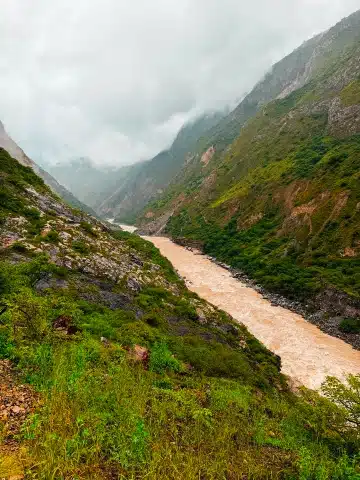
The Apurímac Canyon trail.
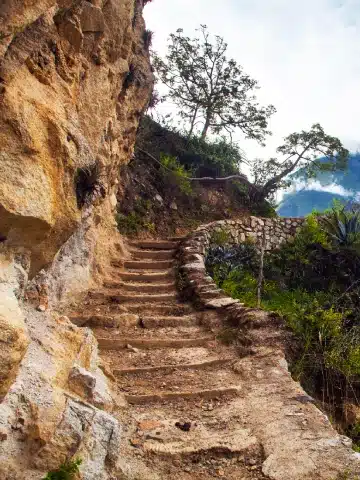
One of the challenging sections of the trek.
Choquequirao Trek Distance and Elevation
The classic Choquequirao Trek covers approximately 62 to 70 kilometers (38 to 43 miles) round trip, depending on the exact itinerary and campsite locations.
Total Distance
Most four-day itineraries cover:
-
- 62–70 km round trip
- Average daily hiking distance: 15–20 km
Highest Elevation
The trek reaches elevations of approximately:
- Capuliyoc: 2,900 m (9,514 ft)
- Choquequirao: 3,050 m (10,007 ft)
Although the maximum altitude is not as high as some other Andean treks, the repeated elevation changes make the route particularly demanding.
Daily Elevation Gain and Loss
Hikers can expect:
- Significant descents into the Apurímac Canyon
- Climbs of more than 1,500 meters in a single day
- Long uphill sections require endurance and stamina
These elevation changes are often what make the trek more difficult than many visitors initially expect.
Best Time to Hike the Choquequirao Trek
Choosing the right season can make a significant difference in your overall trekking experience. While the Choquequirao Trek can be completed year-round, weather conditions vary considerably between the dry and rainy seasons.
Dry Season (May to September)
The dry season is generally considered the best time to hike to Choquequirao. During these months, hikers can enjoy:
- Clear mountain views
- Lower chances of rain
- Better trail conditions
- Cooler temperatures during the day
The months of June, July, and August are especially popular because of their stable weather. However, nights can become quite cold, particularly at higher elevations.
Rainy Season (October to April)
The rainy season presents additional challenges. Trails can become muddy and slippery, making steep sections more difficult to navigate.
On the other hand, the surrounding mountains become incredibly green, creating spectacular scenery. Travelers who prefer fewer people on the trail may enjoy hiking during the shoulder months of April and October.
Regardless of the season, it is always important to carry rain protection and check weather forecasts before departure.
Typical Choquequirao Trek Itineraries
Several itinerary options exist depending on your available time and fitness level.
4-Day Choquequirao Trek
The four-day itinerary is the most popular option.
Day 1
- Transfer from Cusco to Capuliyoc
- Descent into the Apurímac Canyon
- Overnight near Chiquisca or Santa Rosa
Day 2
- Climb toward Marampata
- Continue to Choquequirao
- Explore the archaeological complex
Day 3
- Additional exploration of the ruins
- Begin return journey
Day 4
- Final ascent to Capuliyoc
- Return to Cusco
This itinerary is physically demanding but manageable for most hikers with a reasonable fitness level.
5-Day Choquequirao Trek
A five-day itinerary offers a more relaxed pace.
Benefits include:
- More time at archaeological sectors
- Additional opportunities for photography
- Less pressure during daily hikes
- Better acclimatization
Many experienced trekkers consider the five-day version the ideal balance between adventure and comfort.
Choquequirao to Machu Picchu Trek
For those seeking the ultimate adventure, it is possible to continue beyond Choquequirao and eventually reach Machu Picchu.
This extended route can take between 8 and 10 days and passes through remote valleys, high mountain passes, and lesser-known Inca trails.
Although significantly more challenging, it is often regarded as one of the greatest trekking experiences in South America.
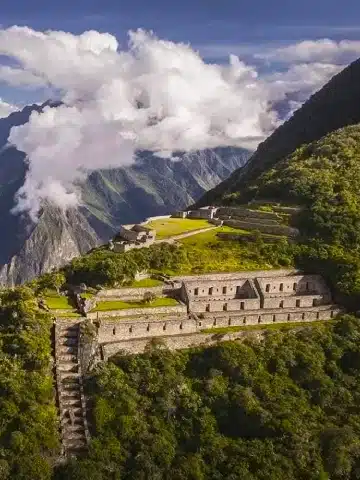
Panoramic view of Choquequirao.
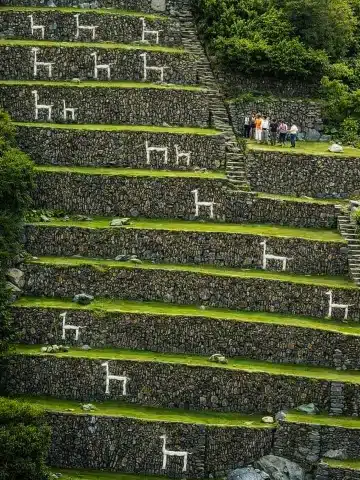
Famous llama terraces.
Physical Preparation and Acclimatization
Proper preparation is one of the most important factors for enjoying the Choquequirao Trek.
Many travelers focus exclusively on altitude, but physical endurance is equally important.
In my experience, one of the biggest mistakes hikers make is underestimating the continuous climbs and descents. The route requires stamina, leg strength, and mental resilience.
To prepare effectively, consider:
- Hiking regularly several weeks before the trip
- Practicing uphill walking
- Strengthening leg muscles
- Improving cardiovascular fitness
Acclimatization is also essential.
I recommend spending at least two or three days in Cusco before starting the trek. This allows your body to adapt to the altitude and reduces the likelihood of experiencing altitude-related symptoms.
What to Pack for the Choquequirao Trek
Packing correctly can greatly improve your comfort and safety on the trail.
During my trek, good footwear and trekking poles made a significant difference, especially on steep and rocky sections.
Essential Gear
- Hiking backpack
- Trekking boots
- Trekking poles
- Water bottles or hydration system
- Headlamp
- Personal medications
Clothing Checklist
- Moisture-wicking shirts
- Hiking pants
- Warm jacket
- Rain jacket
- Hat and sunglasses
- Extra socks
Layering is recommended because temperatures can vary significantly throughout the day.
Do you need a guide for the Choquequirao Trek?
Hiring a guide is not mandatory for the classic Choquequirao Trek, but many travelers choose to do so.
Benefits of hiring a guide include:
- Local knowledge
- Improved safety
- Cultural insights
- Logistical support
Independent hikers can complete the trek on their own if they have sufficient experience and preparation.
However, first-time visitors often appreciate the convenience and expertise provided by a professional guide.
How Much Does the Choquequirao Trek Cost?
The cost of the Choquequirao Trek depends on whether you travel independently or book a guided tour.
Independent Trek
Typical expenses may include:
- Transportation
- Entrance fees
- Camping equipment
- Food supplies
This option generally offers the lowest overall cost.
Guided Trek
Guided tours usually include:
- Transportation
- Professional guide
- Meals
- Camping equipment
- Mule support
Prices vary depending on group size, itinerary length, and service quality.
Although more expensive than hiking independently, guided tours simplify planning and logistics considerably. They are often the preferred option for travelers who want to focus entirely on the experience without worrying about transportation, camping equipment, or meal preparation.
If you’d like to see a detailed itinerary, inclusions, pricing, and departure information, you can check out our complete Choquequirao Trek tour here.
Choquequirao Trek vs Inca Trail
The Choquequirao Trek and the Inca Trail are often compared because both lead to important Inca sites.
However, the experiences are very different.
| Feature | Choquequirao Trek | Inca Trail |
|---|---|---|
| Crowds | Very low | High |
| Difficulty | High | Moderate to high |
| Archaeological Sites | Choquequirao | Machu Picchu |
| Permit Requirements | Usually no permit limitations | Limited permits |
| Sense of Adventure | Exceptional | Moderate |
For me, the most noticeable difference was the feeling of solitude. Throughout the Choquequirao Trek, I encountered very few hikers, which made the experience feel far more remote and authentic.
Travelers seeking a quieter and more adventurous route often prefer Choquequirao.
Common Mistakes to Avoid on the Choquequirao Trek
Many difficulties can be avoided with proper planning.
Common mistakes include:
Underestimating the Difficulty
This is perhaps the most frequent mistake.
The trail involves continuous elevation changes that can be exhausting even for experienced hikers.
Insufficient Acclimatization
Starting the trek immediately after arriving in Cusco can increase the risk of altitude sickness.
Bringing Inadequate Footwear
The trail contains rocky and uneven sections that require proper hiking boots.
Not Carrying Enough Water
Hydration is essential, especially during long climbs and hot afternoons.
Is the Choquequirao Trek Worth It?
Yes. If you’re looking for a less crowded alternative to the Inca Trail, the Choquequirao Trek is one of the most rewarding hiking experiences in Peru. The route combines spectacular mountain scenery, physical challenge, and access to one of the country’s most impressive archaeological sites. Unlike Machu Picchu, Choquequirao receives relatively few visitors, making the experience feel more remote and authentic.
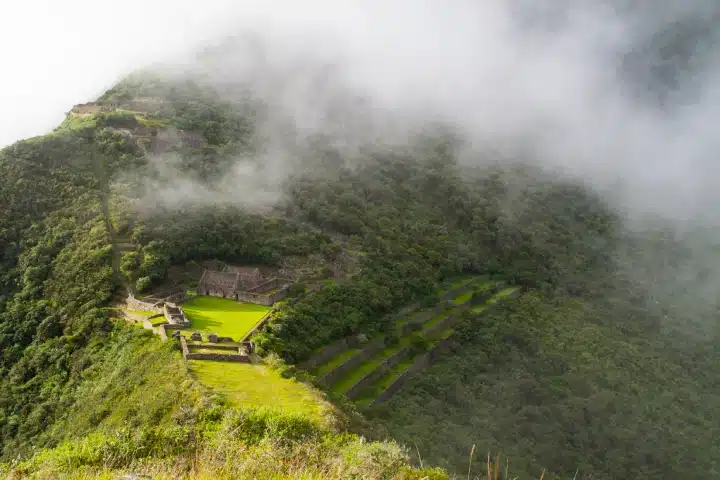
Choquequirao covered by morning mist.
Conclusion
The Choquequirao Trek is much more than a hike to an archaeological site. It is a journey through some of Peru’s most spectacular landscapes and an opportunity to experience a lesser-known side of the Inca world.
From the challenging climbs of the Apurímac Canyon to the rewarding arrival at Choquequirao, every stage of the trek offers unique experiences. Whether you choose a four-day itinerary, a longer expedition to Machu Picchu, or simply want to challenge yourself on one of Peru’s most iconic trails, the Choquequirao Trek promises memories that will last a lifetime.