
💡 Quick Answer:
Ollantaytambo is a historic Inca town in Peru’s Sacred Valley, renowned for its impressive archaeological site, original Inca streets, and its role as one of the main gateways to Machu Picchu by train. Located about 72 km (45 miles) from Cusco at an altitude of 2,792 m (9,160 ft), it is one of the best places to experience Peru’s history, culture, and breathtaking Andean landscapes. Whether you visit on a day trip or stay overnight, Ollantaytambo offers one of the most authentic living Inca experiences in Peru.
Most travelers know Ollantaytambo as the gateway to Machu Picchu, but this historic town deserves more than a quick stop before boarding the train.
Located in the heart of Peru’s Sacred Valley, Ollantaytambo offers a rare opportunity to experience original Inca streets, ancient terraces, and a living Andean community where history continues alongside daily life.
After visiting Ollantaytambo several times, we recommend spending at least half a day—or staying overnight before your Machu Picchu journey—to fully appreciate its archaeological site, peaceful atmosphere, and cultural heritage.
Why Visit Ollantaytambo Peru?
Among all destinations in the Sacred Valley, Ollantaytambo stands out because it combines history, culture, and authentic local life in one place.
While many travelers know Peru mainly because of Machu Picchu, Ollantaytambo offers a different experience: a chance to explore an ancient Inca settlement that is still part of everyday life.
Here are some reasons why Ollantaytambo should be included in your Peru itinerary:
1. Experience a Real Living Inca Town
Ollantaytambo is one of the few places in Peru where visitors can walk through streets that maintain their original Inca design. The town’s narrow stone paths, ancient foundations, and traditional water channels reveal the incredible planning skills of the Inca civilization.
2. Discover One of the Most Impressive Inca Archaeological Sites
The Ollantaytambo Archaeological Site features massive terraces, ceremonial structures, and impressive stonework that showcase the engineering achievements of the Incas.
From the upper terraces, travelers can enjoy spectacular views of the valley and surrounding mountains.
3. Enjoy a Less Crowded Alternative Near Machu Picchu
Although Ollantaytambo is an important destination, it often feels more relaxed compared to other famous attractions in Peru.
Exploring the town early in the morning or in the late afternoon allows visitors to experience its peaceful atmosphere and authentic character.
4. Combine History With Natural Landscapes
The town is surrounded by some of the most beautiful scenery in the Sacred Valley, including green mountains, agricultural terraces, and the Vilcanota River.
This combination of archaeological heritage and natural beauty makes Ollantaytambo a unique destination.
Did You Know? Ollantaytambo is one of the few places in Peru where the original Inca urban planning is still visible in the streets and neighborhoods inhabited today.
What Is Ollantaytambo?
Ollantaytambo is a historic town located in the Urubamba Province of the Cusco region, approximately 60 kilometers (37 miles) northwest of Cusco. It is one of the most important destinations in the Sacred Valley of the Incas due to its archaeological importance and its connection with Machu Picchu.
The town sits at around 2,792 meters (9,160 feet) above sea level and is surrounded by impressive mountains that provided both natural protection and spiritual importance for the Incas.
What makes Ollantaytambo special is that it is not simply an archaeological attraction. It is a place where visitors can see how ancient Inca architecture remains integrated into daily life.
Walking through Ollantaytambo Town, travelers can observe:
- Original Inca stone streets.
- Traditional irrigation channels still in use.
- Houses built on ancient foundations.
- Agricultural terraces covering the mountainsides.
Quick Facts About Ollantaytambo
| Feature | Information |
|---|---|
| Location | Sacred Valley, Cusco Region, Peru |
| Altitude | 2,792 m (9,160 ft) |
| Distance from Cusco | 72 km (45 miles) |
| Known For | Living Inca town, archaeological site, Machu Picchu train connection |
| Recommended Stay | Half day to one night |
| Best Time to Visit | May to October |
How Far Is Ollantaytambo from Cusco and Other Destinations?
Ollantaytambo is located approximately 72 km (45 miles) from Cusco and is one of the most accessible destinations in the Sacred Valley. Its location makes it an ideal stop before continuing to Machu Picchu.
| From | Distance | Approx. Travel Time |
|---|---|---|
| Cusco | 72 km (45 mi) | 1.5–2 hours |
| Urubamba | 20 km (12 mi) | 25–30 minutes |
| Chinchero | 42 km (26 mi) | Around 1 hour |
| Pisac | 58 km (36 mi) | 1.5 hours |
| Aguas Calientes | 43 km (27 mi) | 1.5–2 hours by train |
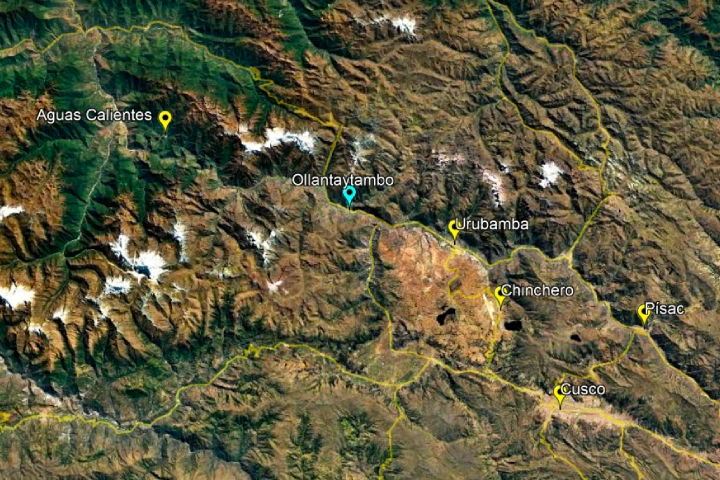
Location of Ollantaytambo within the Sacred Valley
8 Best Things to Do in Ollantaytambo
Ollantaytambo offers much more than a quick visit to its archaeological site. From exploring ancient streets to discovering hidden viewpoints, this destination provides a variety of experiences for travelers interested in history, culture, and nature.
Here are the best things to do in Ollantaytambo, Peru:
1. Explore the Ollantaytambo Archaeological Site
The Ollantaytambo Archaeological Site is the town’s main attraction, featuring impressive terraces, ceremonial structures, and panoramic views of the Sacred Valley.
We recommend visiting early in the morning when temperatures are cooler, and the site is usually less crowded.
Recommended time: 1.5–2 hours.
2. Walk Through the Original Inca Streets
One of the best experiences in Ollantaytambo is simply walking through the town itself.
Unlike many historical destinations where ancient structures are separated from modern life, Ollantaytambo allows travelers to explore streets that have maintained their original Inca layout.
You can observe:
- Stone foundations built by the Incas.
- Traditional houses.
- Ancient water channels still functioning today.
This is one of the reasons Ollantaytambo is considered a living Inca town.
Did You Know? The streets of Ollantaytambo were designed in a grid pattern by the Incas, a planning style that can still be recognized today.
3. Hike to the Pinkuylluna Granaries
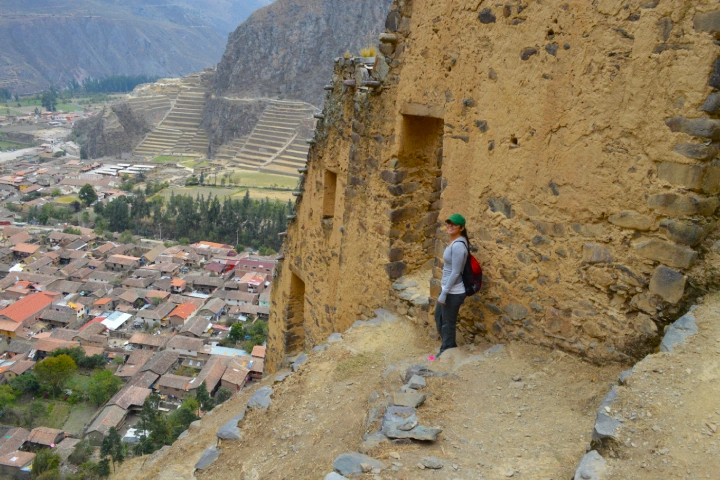
Pinkuylluna overlooks Ollantaytambo Town
Located on the mountain opposite the main archaeological site, Pinkuylluna offers one of the best viewpoints of Ollantaytambo.
These ancient storage buildings were used by the Incas to preserve agricultural products thanks to their natural ventilation and strategic location.
The short hike rewards visitors with spectacular views of:
- Ollantaytambo Town.
- The archaeological site.
- The surrounding Sacred Valley.
It is also a great option for travelers looking for a quieter experience away from the main crowds.
4. Enjoy the Best Views of Ollantaytambo
Ollantaytambo is surrounded by some of the most impressive landscapes in the Cusco region.
From different viewpoints around the town, visitors can appreciate:
- Green agricultural terraces.
- High Andean mountains.
- The Vilcanota River.
- Traditional rural communities.
The combination of history and scenery makes Ollantaytambo one of the most photogenic destinations near Cusco.
5. Visit the Local Market
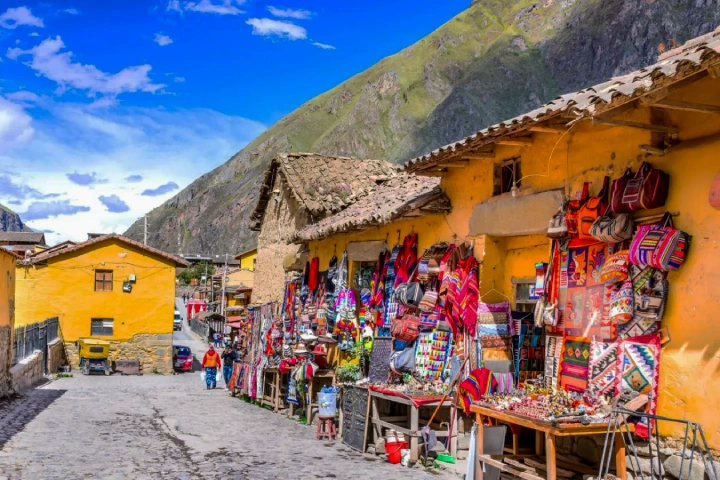
Local handicrafts from Ollantaytambo
The local market of Ollantaytambo is a great place to experience everyday life in the Sacred Valley.
Visitors can find:
- Local products.
- Traditional textiles.
- Handmade crafts.
- Fresh ingredients used by local families.
Although smaller than markets in Cusco, it offers a more authentic atmosphere and a closer connection with the local community.
6. Relax in the Main Square and Experience Local Life
One of the best ways to appreciate Ollantaytambo is to slow down and enjoy its relaxed atmosphere.
The main square is the heart of the town, where locals and visitors gather throughout the day. Surrounded by traditional buildings, cafés, restaurants, and small shops, it offers a perfect place to take a break while soaking in the unique character of this living Inca town.
Take time to wander through the nearby streets, watch daily life unfold, and enjoy the peaceful pace that makes Ollantaytambo different from larger tourist destinations like Cusco.
Whether you’re enjoying a cup of Peruvian coffee, browsing local artisan shops, or simply admiring the surrounding mountains, spending time in the town itself is part of the experience.
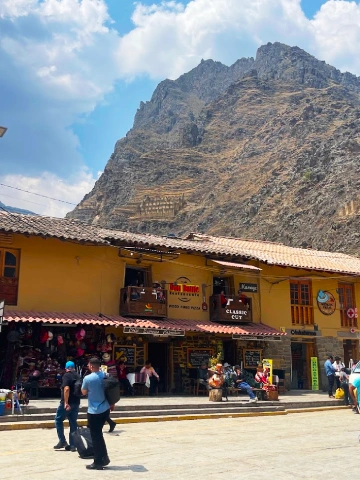
The Main Plaza of Ollantaytambo
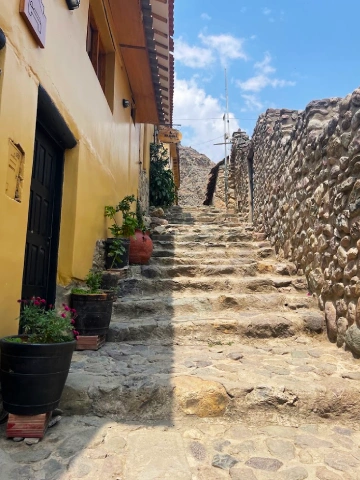
Stone stairways connect Ollantaytambo’s neighborhoods
Local Tip: If you want a more authentic experience, visit the town early in the morning before most day tours arrive from Cusco.
7. Take the Train to Machu Picchu
One of the main reasons travelers visit Ollantaytambo is its connection to Machu Picchu.
The town has become the most popular departure point for many train journeys to Aguas Calientes, the gateway town to Machu Picchu.
However, Ollantaytambo is much more than just a transportation stop.
Spending time here before visiting Machu Picchu allows travelers to:
- Explore an authentic Inca town.
- Adjust gradually to the altitude.
- Enjoy a quieter atmosphere before visiting Peru’s most famous attraction.
- Start the train journey surrounded by impressive Andean landscapes.
Many travelers choose to stay overnight in Ollantaytambo before their Machu Picchu visit because it offers a more relaxed experience compared to departing directly from Cusco.
8. Enjoy Traditional Peruvian Food and Local Experiences
Although Ollantaytambo is a small town, it offers excellent opportunities to enjoy traditional Andean cuisine and local experiences.
The restaurants around the main square and nearby streets serve a variety of options, from Peruvian classics to dishes inspired by local ingredients.
During your visit, consider trying:
- Traditional Peruvian dishes.
- Fresh Andean ingredients.
- Local corn varieties.
- Regional beverages.
Beyond food, simply spending time in the town is part of the experience. Sitting in the main square, walking along quiet streets, and observing daily life provide moments that many travelers remember long after their trip.
Inside the Ollantaytambo Archaeological Site
The Ollantaytambo Archaeological Site is one of the finest examples of Inca engineering in Peru. Built on the mountainside overlooking the town, it combines agricultural terraces, ceremonial structures, and massive stonework that demonstrate the Incas’ remarkable architectural and engineering skills.
As you explore the site, you’ll climb impressive terraces, admire precisely carved stones, and enjoy panoramic views of Ollantaytambo Town and the Sacred Valley. Beyond its architectural beauty, the complex also played an important agricultural, religious, and defensive role during the Inca Empire.
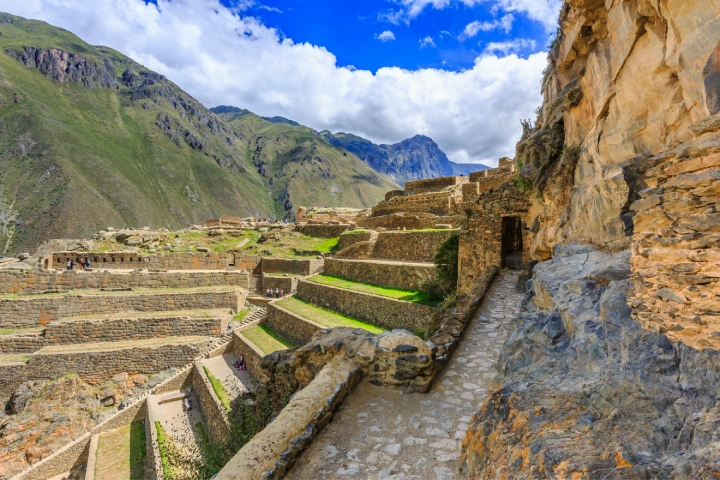
The iconic terraces of Ollantaytambo
Main Highlights of the Ollantaytambo Ruins
Agricultural Terraces
The enormous terraces are among the first features visitors notice when approaching Ollantaytambo.
These terraces were not simply farming areas. They represented sophisticated engineering solutions that helped the Incas control erosion, improve agriculture, and adapt crops to different altitudes.
Today, they remain one of the most recognizable landscapes of the Sacred Valley.
Temple of the Sun
One of the most fascinating structures inside the archaeological site is the unfinished Temple of the Sun.
It features enormous stone blocks carefully carved and transported by the Incas. Although construction was never completed, the precision of the stonework demonstrates the incredible skills of Inca builders.
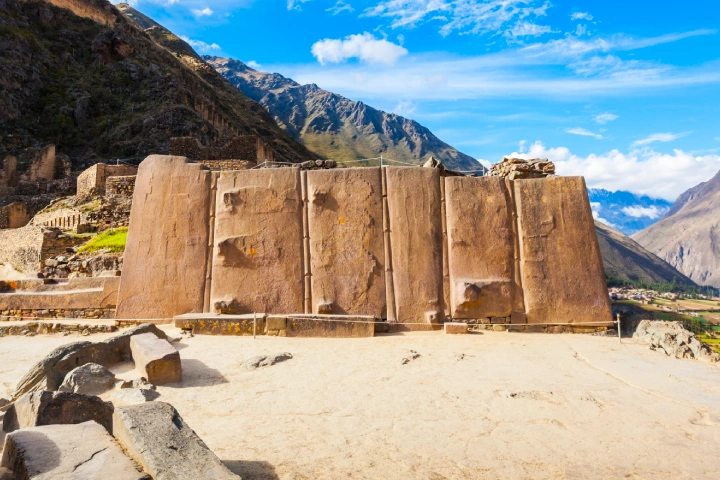
The Temple of the Sun in Ollantaytambo
Temple of the Ten Niches
This area reflects the ceremonial importance of Ollantaytambo.
The carefully designed niches and stone walls show the attention to detail that characterized Inca architecture, where every structure had a specific purpose connected to religion and daily life.
Local Tip: Wear comfortable shoes when visiting Ollantaytambo Archaeological Site. The terraces involve several stone steps, and the elevation can make the climb feel more challenging.
Ollantaytambo Town: A Living Inca Settlement
One of the characteristics that makes Ollantaytambo Town unique is that it is not a forgotten archaeological site but a place where history continues alongside modern life.
Walking through the town feels like traveling back in time. The original Inca urban design is still visible in the streets, where ancient stone walls, irrigation channels, and traditional homes coexist with local businesses and family houses.
The town was carefully planned by the Incas with a grid system, allowing water distribution and organization of residential areas. Many current buildings were constructed over original Inca foundations, preserving the connection between past and present.
This combination of archaeological heritage and living culture is what makes Ollantaytambo different from other destinations in Peru.
Why Is Ollantaytambo Considered a Living Inca Town?
The answer lies in three main elements:
Original Inca Streets
The narrow streets maintain much of their original design, allowing visitors to experience the layout created centuries ago.
Ancient Water Channels
The traditional irrigation system built by the Incas continues to demonstrate their advanced understanding of engineering and water management.
Local Life Among Ancient Structures
Residents continue their daily activities surrounded by historical architecture, creating a unique cultural landscape.
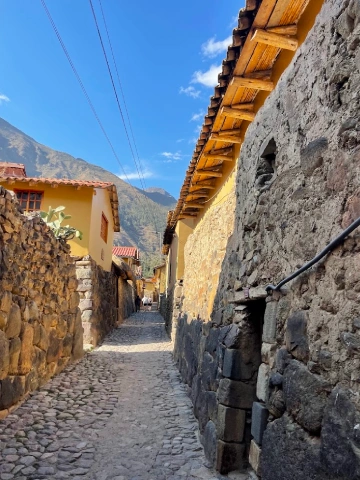
Original Inca streets in Ollantaytambo
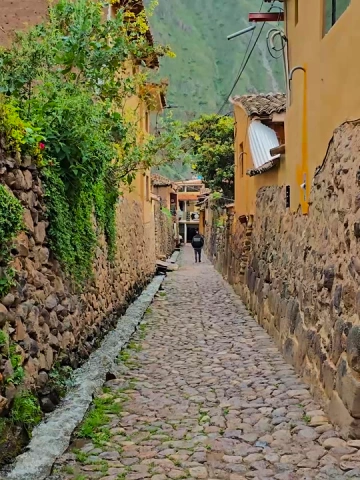
Ancient Inca water channels still in use
Did You Know? Ollantaytambo is considered one of the best-preserved examples of an original Inca urban settlement still inhabited today.
Why Is Ollantaytambo Historically Important?
Ollantaytambo is more than a beautiful destination in the Sacred Valley—it was one of the most important political, agricultural, and military centers of the Inca Empire. Much of what visitors see today, from its impressive terraces to its precisely carved stone structures, reflects the advanced planning and engineering of the Incas.
Built by Pachacútec
During the 15th century, the Inca emperor Pachacútec transformed Ollantaytambo into a royal estate and strategic center. He ordered the construction of agricultural terraces, ceremonial temples, residential sectors, and defensive structures that blended perfectly with the surrounding mountains.
Its location in the Sacred Valley allowed the Incas to control important routes connecting Cusco with other regions while taking advantage of fertile farmland and abundant water resources.
The Battle of Ollantaytambo
Ollantaytambo also played a key role during the Spanish conquest of Peru. In 1537, the Inca ruler Manco Inca Yupanqui used the town as a defensive fortress against Spanish forces. Thanks to its steep terraces, narrow valleys, and carefully planned defenses, the Incas achieved one of their most significant victories during the resistance.
Although Manco Inca later retreated to Vilcabamba, the Battle of Ollantaytambo remains one of the most remarkable events in Peru’s colonial history. Today, walking through the archaeological site offers a glimpse into how the natural landscape helped protect this important Inca stronghold.
Local Tip: To fully appreciate Ollantaytambo’s history, consider visiting the archaeological site with a local guide. Understanding the purpose behind the terraces, temples, and stonework makes the experience far more rewarding.
How to Get to Ollantaytambo from Cusco
Ollantaytambo is located approximately 60 kilometers (37 miles) northwest of Cusco and can be reached by private transportation, shared vehicles, or organized tours.
The best option depends on your travel style, budget, and whether you are planning to continue your journey to Machu Picchu.
| Transportation Option | Travel Time | Comfort Level | Best For |
|---|---|---|---|
| Private Transportation | 1.5–2 hours | ★★★★★ | Travelers looking for flexibility, comfort, and personalized stops |
| Sacred Valley Tour | Full day | ★★★★☆ | First-time visitors who want to visit multiple attractions |
| Shared Van (Colectivo) | 2–3 hours | ★★★☆☆ | Budget travelers with flexible schedules |
| Train from Ollantaytambo to Machu Picchu | Approximately 1.5–2 hours | ★★★★☆ | Travelers continuing their journey to Machu Picchu |
1. Private Transportation from Cusco to Ollantaytambo
A private transfer is the most comfortable and flexible option, especially for travelers who want to explore the Sacred Valley at their own pace.
The journey usually takes around 1.5 to 2 hours, depending on stops and road conditions.
Advantages include:
- Flexible departure time.
- Direct transportation.
- Possibility to stop at viewpoints and attractions along the way.
- Ideal for families, couples, or travelers with luggage.
Many private Sacred Valley tours include transportation to Ollantaytambo along with visits to other important attractions in the region.
2. Bus or Shared Transportation
For travelers looking for a more affordable option, local buses and shared vans (known locally as colectivos) connect Cusco with Ollantaytambo.
The trip usually takes between 2 and 3 hours depending on traffic and stops.
This option is recommended for:
- Budget travelers.
- Visitors with flexible schedules.
- Those staying longer in the Sacred Valley.
However, keep in mind that shared transportation usually offers less comfort and limited space for large luggage.
3. Sacred Valley Tour from Cusco
A popular way to visit Ollantaytambo is through a Sacred Valley tour, especially for first-time visitors to Cusco.
These tours typically combine Ollantaytambo with other important destinations such as:
- Pisac Archaeological Site.
- Pisac Market.
- Urubamba Valley.
- Chinchero.
This option allows travelers to experience several highlights of the Sacred Valley in one day while traveling comfortably with a guide.
Local Tip: If your main goal is visiting Machu Picchu, consider choosing an itinerary that ends in Ollantaytambo instead of returning to Cusco. This allows you to continue directly by train the following day.
Ollantaytambo and Machu Picchu: Why Travelers Stop Here
For many visitors, Ollantaytambo is the bridge between exploring the Sacred Valley and discovering Machu Picchu.
The town’s train station is one of the main departure points for trains heading toward Aguas Calientes, the gateway to Machu Picchu.
However, treating Ollantaytambo only as a transportation stop means missing one of the most authentic destinations near Cusco.
Spending additional time in the town allows travelers to enjoy:
- A quieter alternative to Cusco.
- An authentic Inca atmosphere.
- Beautiful mountain landscapes.
- A slower and more cultural experience.
Many travelers choose to visit Ollantaytambo before Machu Picchu because it creates a more complete journey through Peru’s history.
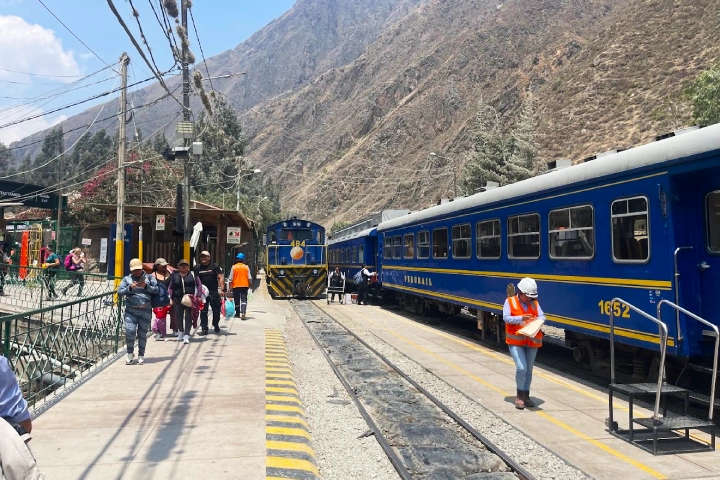
Train from Ollantaytambo to Machu Picchu
How Much Time Do You Need in Ollantaytambo?
The ideal amount of time to spend in Ollantaytambo Peru depends on your travel plans and whether you are visiting the town as part of a Sacred Valley itinerary or before your journey to Machu Picchu.
Although many travelers only stop briefly before taking the train, spending more time in Ollantaytambo allows you to appreciate its history, explore its archaeological sites, and experience the atmosphere of this authentic living Inca town.
| Time Available | What You Can Experience | Recommended For |
|---|---|---|
| Half Day | Ollantaytambo Archaeological Site, main Inca streets, central plaza, and viewpoints | Travelers visiting the Sacred Valley on a day tour |
| One Full Day | Archaeological site, Pinkuylluna, local streets, market, restaurants, and relaxed exploration | Travelers who want a deeper cultural experience |
| One Night | Explore the town without crowds and prepare for the train to Machu Picchu | Travelers visiting Machu Picchu early the next day |
Half Day in Ollantaytambo
If you have limited time, a half-day visit is enough to discover the main attractions.
You can explore:
- Ollantaytambo Archaeological Site.
- Traditional Inca streets.
- The main square.
- Local shops and viewpoints.
This option is common for travelers joining a Sacred Valley tour from Cusco, where Ollantaytambo is one of the main stops during the day.
However, keep in mind that a short visit may not allow enough time to experience the quieter side of the town.
One Full Day in Ollantaytambo
Spending one full day is the option we recommend for travelers who want to enjoy Ollantaytambo without rushing.
With more time, you can:
- Visit the archaeological site early.
- Hike to Pinkuylluna.
- Walk through the original Inca streets.
- Enjoy local restaurants.
- Experience the town after most visitors leave.
This slower pace allows you to appreciate why Ollantaytambo is considered one of the best-preserved Inca towns in Peru.
Staying Overnight in Ollantaytambo
Spending a night in Ollantaytambo is an excellent choice, especially if you are traveling to Machu Picchu.
Benefits include:
- Easier access to early morning trains.
- Less time spent transferring from Cusco.
- A quieter experience after day visitors leave.
- More opportunities to explore local culture.
For many travelers, staying overnight creates a more relaxed and memorable journey through the Sacred Valley.
Best Time to Visit Ollantaytambo
Ollantaytambo is a year-round destination, but the best time to visit depends on your preferences regarding weather, crowds, and landscapes.
Dry Season (May to October)
The dry season is the most popular time to visit Ollantaytambo.
During these months, travelers can usually expect:
- Sunny days.
- Better visibility for mountain views.
- Excellent conditions for exploring archaeological sites.
July and August are the busiest months due to the peak travel season, so visiting early in the day is recommended.
Rainy Season (November to April)
The rainy season brings greener landscapes and fewer crowds.
Although rainfall is more frequent, it usually occurs in short periods, allowing visitors to continue exploring the town and archaeological sites.
This season can be a great option for travelers who prefer:
- A quieter experience.
- Beautiful green scenery.
- Less crowded attractions.
Travel Tips for Visiting Ollantaytambo
Before visiting Ollantaytambo Peru, consider these practical travel tips to enjoy this living Inca town comfortably and safely.
✔ Wear Comfortable Shoes
The town and archaeological site include cobblestone streets and stone steps, so comfortable footwear is essential.
✔ Bring Sun Protection
The high-altitude sun in the Sacred Valley can be strong even on cloudy days.
✔ Carry Water
Walking around the archaeological site involves climbing, and staying hydrated helps you enjoy the experience.
✔ Take Time to Acclimatize
Although Ollantaytambo is lower than Cusco, visitors should still allow their bodies time to adjust to the altitude.
✔ Explore Beyond the Main Attractions
The charm of Ollantaytambo is not only in its ruins but also in its streets, local culture, and everyday life.
Best Ollantaytambo Tours from Cusco
The best way to experience Ollantaytambo depends on your itinerary and travel goals. Some travelers visit as part of a Sacred Valley tour, while others include it as a stop before Machu Picchu.
After guiding travelers through Ollantaytambo for many years, we’ve found that spending more time here allows visitors to appreciate not only the archaeological site, but also the town’s history, local culture, and breathtaking landscapes.
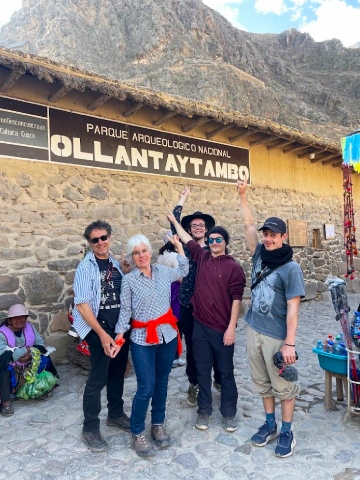
Starting a guided tour in Ollantaytambo
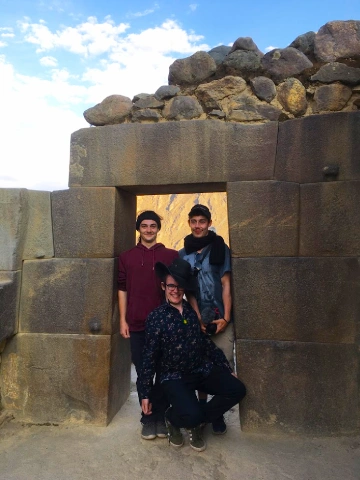
Exploring Ollantaytambo with a local guide
Sacred Valley Tour Including Ollantaytambo
A Sacred Valley tour is one of the most popular ways to visit Ollantaytambo from Cusco.
This option is ideal for first-time visitors because it combines several important destinations in one itinerary.
Typical highlights include:
- Pisac Archaeological Site.
- Traditional markets.
- Scenic viewpoints.
- Urubamba Valley.
- Ollantaytambo Archaeological Site.
Recommended for: Travelers who want to discover the highlights of the Sacred Valley in a single day.
Private Sacred Valley Tour
A private tour provides more flexibility and a personalized experience.
It allows you to:
- Spend more time at places you enjoy.
- Adjust the schedule according to your interests.
- Avoid rushing through important attractions.
- Travel comfortably with your own guide.
Recommended for: Families, couples, photographers, and travelers looking for a more personalized journey.
Sacred Valley + Machu Picchu Experience
Combining Ollantaytambo with Machu Picchu creates one of the most complete travel experiences in Peru.
This type of itinerary allows you to:
- Explore the Sacred Valley.
- Discover Ollantaytambo.
- Continue by train toward Machu Picchu.
- Experience Peru’s most iconic destinations in a logical route.
Planning to visit Ollantaytambo?
Explore the Sacred Valley with our experienced local guides and discover Ollantaytambo’s most important attractions through a carefully designed itinerary. Whether you are visiting before Machu Picchu or exploring the Sacred Valley, our team can help you create the perfect travel experience.
Conclusion: Why Ollantaytambo Should Be on Your Peru Itinerary
Ollantaytambo is much more than a stop on the way to Machu Picchu. It is a destination where history, culture, and Andean landscapes converge to create one of Peru’s most authentic experiences.
From walking through original Inca streets to exploring ancient terraces and enjoying the peaceful atmosphere of the Sacred Valley, every corner of Ollantaytambo tells a story.
Whether you visit for a few hours or decide to spend a night here, this living Inca town offers a deeper connection with Peru’s heritage and provides a unique perspective beyond the most famous attractions.
If you are planning your journey through Cusco and the Sacred Valley, including Ollantaytambo in your itinerary is one of the best ways to experience the history and beauty of the Andes.