
The Salkantay Trek 5 Days is one of the most popular alternative routes to Machu Picchu, combining high-altitude landscapes, snow-capped mountains, cloud forests, and Andean communities along the way. Unlike the Inca Trail, this route takes you through a wide variety of landscapes before reaching Machu Picchu.
This 5-day Salkantay Trek itinerary includes the famous Humantay Lake, the Salkantay Pass at high altitude, the lush cloud forest, and the final journey to Aguas Calientes before visiting Machu Picchu.
In this guide, you will find everything you need to plan the trek, including the 5-day itinerary, distance, difficulty, altitude, best time to go, estimated cost, packing list, and practical tips. You will also learn what to expect each day and whether the Salkantay Trek is the right option for your trip to Machu Picchu.
What Is the Salkantay Trek?
The Salkantay Trek is a multi-day hiking route through the Andes that leads to Machu Picchu. The trek takes its name from Salkantay Mountain, a sacred snow-capped peak in the Vilcabamba mountain range that reaches 6,271 m (20,574 ft).
The route passes through several different environments, from high-altitude mountain landscapes to cloud forests and warmer valleys. Along the way, trekkers can experience places such as Humantay Lake and Salkantay Pass before continuing toward Machu Picchu.
The Salkantay Trek is also considered an alternative to the Inca Trail. Its landscapes, high-altitude sections, and changing ecosystems make it a distinct trekking experience for travelers who want to reach Machu Picchu on a different route.
Salkantay Trek 5-Day Itinerary
The Salkantay Trek 5-Day itinerary takes you from the high Andes to the cloud forest before reaching Aguas Calientes and Machu Picchu. Each day offers a different landscape and level of challenge, with the highest point of the trek reached on Day 2.
Day 1: Cusco – Soraypampa – Humantay Lake
The adventure begins with an early departure from Cusco toward Soraypampa. From here, you hike to Humantay Lake, one of the most scenic highlights of the Salkantay Trek.
After visiting the lake, you return to Soraypampa, where you spend the night surrounded by the high Andean landscape.
This first day introduces you to the altitude and terrain of the trek, so maintaining a steady pace and staying hydrated is important.
Day 2: Soraypampa – Salkantay Pass – Chaullay
Day 2 is the most demanding stage of the Salkantay Trek 5 Days. You cross the Salkantay Pass, reaching the highest point of the route at approximately 4,650 m (15,256 ft).
From the pass, the trail begins descending through changing landscapes toward Chaullay. The dramatic transition from the high mountains to lower, greener terrain is one of the defining experiences of the trek.
You spend the night in Chaullay before continuing toward the warmer valleys on the following day.
Day 3: Chaullay – Santa Teresa
The landscape changes considerably as you continue from Chaullay toward Santa Teresa. The route passes through cloud forest and warmer valleys, with vegetation becoming increasingly lush as you descend.
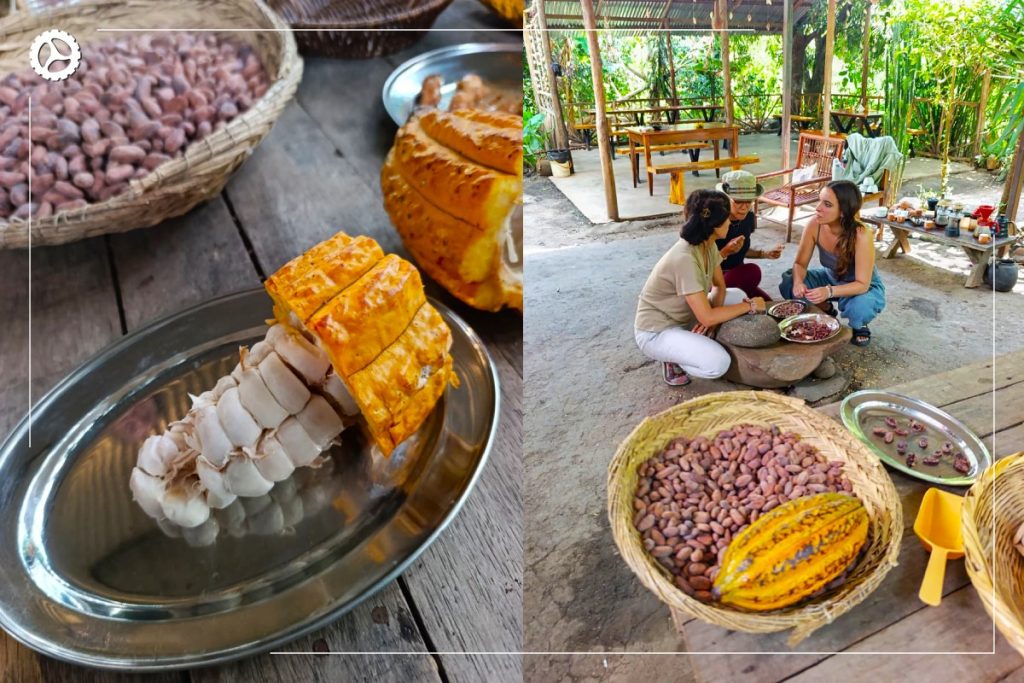
This section also offers the opportunity to experience the region’s coffee-growing culture. In Lucmabamba, local producers can introduce trekkers to the coffee-making process, from harvesting the beans to preparing the final cup.
After reaching Santa Teresa, you spend the night before the final stages toward Machu Picchu.
Day 4: Santa Teresa – Aguas Calientes
On Day 4, you continue from Santa Teresa toward Aguas Calientes, the town at the foot of Machu Picchu.
Depending on the itinerary and selected activities, travelers may have the opportunity to enjoy an optional adventure such as ziplining before continuing toward Aguas Calientes.
The day marks the transition from the trekking sections of the Salkantay route to the final stage of the journey to Machu Picchu.
Day 5: Machu Picchu Visit
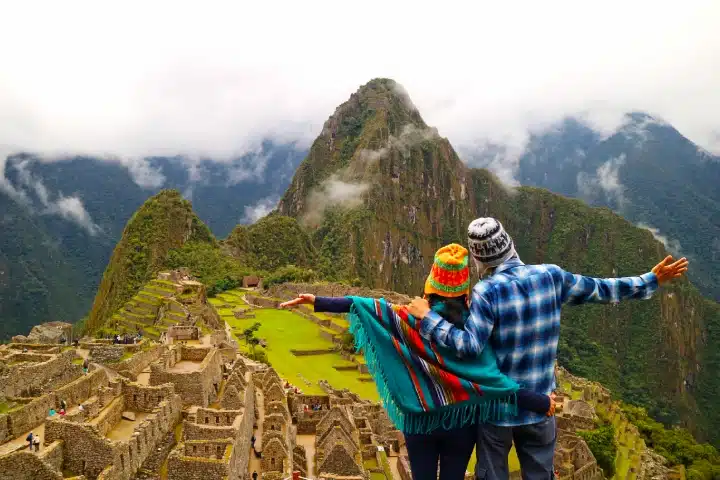
The final day is dedicated to Machu Picchu. From Aguas Calientes, you continue to the archaeological site for your visit.
After exploring Machu Picchu, you begin your return journey according to your travel arrangements, completing the 5-day Salkantay Trek to Machu Picchu.
Salkantay Trek Duration and Distance
The Salkantay Trek takes 5 days, from departure from Cusco to the visit to Machu Picchu. The daily hiking distance and duration vary depending on the stage of the route, with Day 2 being the most demanding because of the ascent to Salkantay Pass.
The trek combines long hiking sections with significant elevation changes. After reaching 4,650 m (15,256 ft) at Salkantay Pass, the route gradually descends toward the cloud forest and warmer valleys.
The exact distance can vary depending on the itinerary and transportation arrangements, particularly during the final stages of the route. For this reason, the table above focuses on the specific 5-day itinerary described in this guide.
Salkantay Trek Difficulty
The Salkantay Trek is considered a moderate to challenging trek, mainly because of the high altitude, long hiking days, and changing terrain. You do not need to be an experienced mountaineer, but a reasonable level of fitness and preparation will make the experience more manageable.
What Makes the Salkantay Trek Difficult?
Several factors contribute to the difficulty of the trek:
- High altitude: The route reaches approximately 4,650 m (15,256 ft) at Salkantay Pass.
- Long hiking days: Some stages require several hours of walking, particularly during the ascent to the pass.
- Changing terrain: The trail includes steep sections, mountain paths, descents, and different types of terrain as you move from the Andes toward the cloud forest.
- Weather conditions: Temperatures and weather can change quickly, especially at higher elevations.
Which Day Is the Hardest?
Day 2 is generally the most demanding stage of the 5-day itinerary. You climb from Soraypampa toward Salkantay Pass, the highest point of the trek, before beginning a long descent toward Chaullay.
The combination of altitude, elevation gain, and hiking time makes this section particularly challenging.
Who Can Do the Salkantay Trek?
The trek is suitable for travelers who are comfortable with several consecutive days of hiking and are prepared for high-altitude conditions. You should be able to walk for several hours a day and handle uneven and sometimes steep terrain.
Good acclimatization is especially important. Spending time in Cusco before starting the trek can give your body an opportunity to adjust to the altitude.
If you are particularly concerned about the first high-altitude section of the route, see our guide to Humantay Lake Difficulty for more information about that hike.
Altitude on the Salkantay Trek
Altitude is one of the most important factors to consider when planning the Salkantay Trek. The route begins in the high Andes and reaches its highest elevation at Salkantay Pass, before descending toward the cloud forest and warmer valleys.
What Is the Highest Altitude on the Salkantay Trek?
The highest point of the 5-day route is Salkantay Pass, at approximately 4,650 m (15,256 ft) above sea level. You reach this elevation on Day 2, during the hike from Soraypampa toward Chaullay.
At this altitude, the air contains less oxygen than at lower elevations, making physical exertion more demanding. This is one of the main challenges of the trek.
How Does the Altitude Change During the Trek?
After crossing Salkantay Pass, the route descends toward lower elevations. The landscape gradually changes from the cold, high-altitude environment of the Andes to greener and warmer areas as you approach the cloud forest and Santa Teresa.
This progressive descent is one of the defining features of the route: the highest and most demanding section comes early in the trek, while the following stages take place at increasingly lower elevations.
How to Prepare for the Altitude
Allowing time to acclimatize in Cusco before beginning the trek can help your body adjust to the elevation. During the trek, maintain a steady pace, stay hydrated, rest when necessary, and follow your trekking guide’s recommendations.
Salkantay Pass: The Highest Point of the Trek
Salkantay Pass is the highest point of the 5-day Salkantay Trek, at approximately 4,650 m (15,256 ft) above sea level.
Crossing the pass on Day 2 marks the transition from the high Andes toward the lower and greener landscapes of the route. The area offers dramatic views of the surrounding mountains before the trail begins its long descent toward Chaullay.
Salkantay Trek to Machu Picchu: How Does the Route Work?
The Salkantay Trek to Machu Picchu takes you through several distinct landscapes before reaching the archaeological site. The route begins in the high Andes, crosses the Salkantay Pass, and then descends through greener and warmer areas toward Santa Teresa.
From Santa Teresa, the journey continues toward Aguas Calientes, the town located below Machu Picchu. The final stage of the trek is the visit to Machu Picchu on Day 5.
This gradual change in altitude and scenery is one of the defining characteristics of the 5-day Salkantay Trek to Machu Picchu. Instead of following a single type of landscape, the route takes you from snow-capped mountains and high-altitude valleys to cloud forest and warmer areas before reaching Machu Picchu.
Best Time for the Salkantay Trek
The best time for the Salkantay Trek generally falls between April and October, when conditions are typically drier and the trails are more suitable for trekking. These months are especially popular among travelers planning the 5-day route to Machu Picchu.
Dry Season: April to October
During the dry season, rainfall is generally lower, and you are more likely to experience clearer conditions along the route. However, temperatures can vary significantly because the trek crosses several elevations and ecosystems.
At higher elevations, mornings and nights can be very cold, while temperatures become warmer as the route descends toward the cloud forest and Santa Teresa.
Rainy Season: November to March
The Salkantay Trek can also be completed during the wetter months, but rainfall can make trails more challenging and weather conditions less predictable. January through March generally receives more rain, so travelers should be prepared for wet and changing conditions.
If you plan to trek during this period, appropriate waterproof clothing and footwear are particularly important.
What Month Should You Choose?
Your choice depends on what matters most to you. If you prefer generally drier trekking conditions, April to October is the more favorable period. If you are comfortable with a greater chance of rain and changing weather, the trek can also be undertaken during the wetter months.
Salkantay Trek Cost
The Salkantay Trek cost varies depending on the type of experience, group size, accommodation, transportation, meals, and services included in the itinerary. For a 5-day trek to Machu Picchu, the final price can also depend on the activities and travel arrangements included in the package.
What Does the Salkantay Trek Cost Include?
When comparing prices, it is important to look beyond the advertised rate and check what is included in the package. Depending on the tour, the cost may cover:
- Transportation from Cusco to the starting point of the trek
- Professional trekking guide
- Meals during the hiking days
- Accommodation along the route
- Machu Picchu entrance ticket
- Transportation to or from Aguas Calientes
- Return transportation to Cusco
- Additional activities or services specified in the itinerary
Not every Salkantay Trek package includes the same services, so comparing inclusions is important when evaluating the total cost.
How Much Does a 5-Day Salkantay Trek Cost?
The price of a 5-day Salkantay Trek depends on the level of service and the inclusions of each tour. Budget, standard, and premium experiences can have significantly different prices because of differences in accommodation, group size, meals, transportation, and additional services.
For the most accurate price, check the current details of the Salkantay Trek Premium 5 Days experience, including what is included and what is not.
What Can Affect the Price?
Several factors can influence the final cost of a Salkantay Trek:
- Accommodation: camping, domes, or other accommodation options can affect the price.
- Group size: private and small-group experiences generally have different pricing from shared departures.
- Transportation: train services and other transfers can change the total cost.
- Machu Picchu tickets: the entrance route and ticket type can affect the overall price.
- Meals and services: the number of included meals and additional services also contributes to the final price.
What to Pack for the Salkantay Trek
Packing appropriately for the Salkantay Trek is important because the route crosses different elevations and climates. Conditions can change from cold temperatures in the high Andes to warmer and wetter environments as you descend toward the cloud forest.
Essential Items
- Trekking boots: Comfortable, broken-in, and suitable for uneven terrain.
- Warm layers: Temperatures can be very cold at higher elevations, especially at night.
- Rain jacket: Weather can change quickly along the route.
- Sleeping bag: Necessary for cold nights at higher elevations.
- Water bottle: Staying hydrated is important during the trek.
- Sun protection: Bring sunscreen, sunglasses, and a hat.
- Small daypack: Useful for carrying the items you need during each day’s hike.
Recommended Items
- Trekking poles: Helpful on steep ascents and descents.
- Waterproof backpack cover: Useful during rainy conditions.
- Personal medication: Bring any medication you normally need.
- Headlamp: Useful at campsites and during early-morning departures.
- Light snacks: Convenient for longer hiking sections.
- Camera or phone: The route offers a wide variety of landscapes and viewpoints.
Because temperatures and weather conditions vary considerably along the 5-day Salkantay Trek, dressing in layers is one of the most practical ways to stay comfortable throughout the route.
Is the Salkantay Trek Right for You?
The Salkantay Trek can be a good option for travelers who want a multi-day adventure to Machu Picchu with changing landscapes, high-altitude sections, and a physically demanding trekking experience.
The Salkantay Trek May Be Right for You If You Want To:
- Experience high-altitude Andean landscapes and mountain scenery.
- Visit Humantay Lake and cross Salkantay Pass.
- Trek through different ecosystems, including cloud forest and warmer valleys.
- Spend several days hiking before reaching Machu Picchu.
- Choose an alternative route to the Inca Trail.
Consider Another Route If You Prefer:
- Shorter or less demanding hiking experiences.
- Lower elevations and less exposure to high-altitude terrain.
- A route focused more heavily on archaeological sites.
- A different type of trekking experience to Machu Picchu.
If you are deciding between the two routes, see our guide to Inca Trail vs Salkantay Trek for a detailed comparison of their routes, difficulty, landscapes, and overall experience.
Book the Salkantay Trek 5 Days
Ready to experience the Salkantay Trek 5 Days to Machu Picchu? Choose the itinerary that best fits your travel plans and review the included services, accommodation, transportation, and Machu Picchu visit before booking.
For a more comfortable trekking experience, explore our Salkantay Trek Premium 5 Days and check the current availability and inclusions.