

Peru is home to some of South America’s most extraordinary cultural and natural treasures. From ancient Inca cities and mysterious desert geoglyphs to towering Andean peaks and one of the world’s most biodiverse rainforests, the country offers an incredible variety of UNESCO-recognized destinations.
Today, Peru has 13 UNESCO World Heritage Sites: nine cultural, two natural, and two mixed properties. Together, they tell the story of more than 5,000 years of history while protecting landscapes of exceptional ecological value.
While Machu Picchu is Peru’s best-known UNESCO site, it’s only one of many remarkable places. The country is also home to the ancient city of Caral-Supe, the vast adobe citadel of Chan Chan, the enigmatic Nasca Lines, and the Chankillo Archaeoastronomical Complex, the newest addition to Peru’s World Heritage list.
Whether you’re planning a trip or simply exploring Peru’s rich heritage, this guide introduces all 13 UNESCO World Heritage Sites, explains why they were inscribed, and shares practical travel tips to help you make the most of your visit.
UNESCO World Heritage Sites in Peru at a Glance
Here’s a quick overview of Peru’s UNESCO World Heritage Sites.
| UNESCO World Heritage Site | Category | Region | Year Inscribed |
|---|---|---|---|
| Historic Sanctuary of Machu Picchu | Mixed | Cusco | 1983 |
| City of Cuzco | Cultural | Cusco | 1983 |
| Chavín Archaeological Site | Cultural | Ancash | 1985 |
| Huascarán National Park | Natural | Ancash | 1985 |
| Chan Chan Archaeological Zone | Cultural | La Libertad | 1986 |
| Manú National Park | Natural | Cusco & Madre de Dios | 1987 |
| Historic Centre of Lima | Cultural | Lima | 1988 |
| Río Abiseo National Park | Mixed | San Martín | 1990 / 1992 |
| Lines and Geoglyphs of Nasca and Palpa | Cultural | Ica | 1994 |
| Historical Centre of the City of Arequipa | Cultural | Arequipa | 2000 |
| Sacred City of Caral-Supe | Cultural | Lima | 2009 |
| Qhapaq Ñan, Andean Road System | Cultural (Transnational) | Multiple regions | 2014 |
| Chankillo Archaeoastronomical Complex | Cultural | Ancash | 2021 |
💡Did you know?
Peru is one of the Latin American countries with the greatest number of UNESCO World Heritage Sites, reflecting the extraordinary diversity of its ancient civilizations and natural ecosystems.
UNESCO World Heritage Sites in Peru by Category
UNESCO classifies Peru’s World Heritage Sites into three categories:
- 9 Cultural World Heritage Sites
- 2 Natural World Heritage Sites
- 2 Mixed World Heritage Sites
Cultural sites recognize exceptional achievements in history, architecture, and archaeology. Natural sites protect landscapes of outstanding ecological value, while mixed sites are recognized for both their cultural importance and their natural environment.
What Is a UNESCO World Heritage Site?
A UNESCO World Heritage Site is a place considered to have Outstanding Universal Value, meaning its cultural or natural significance is so exceptional that it deserves protection for future generations.
Since the adoption of the World Heritage Convention in 1972, UNESCO has recognized sites that meet strict selection criteria based on their historical, scientific, cultural, or environmental importance.
World Heritage Sites fall into three categories:
- Cultural Heritage, including archaeological sites, historic cities, monuments, and cultural landscapes.
- Natural Heritage, protecting exceptional ecosystems, geological formations, and biodiversity.
- Mixed Heritage, recognizing places of both cultural and natural significance.
UNESCO Fact
UNESCO recognition is not based on popularity. Every World Heritage Site must demonstrate Outstanding Universal Value by meeting at least one of the organization’s ten selection criteria.
How Many UNESCO World Heritage Sites Are There in Peru?
Peru currently has 13 UNESCO World Heritage Sites, making it one of South America’s leading heritage destinations. These include nine cultural sites, two natural sites, and two mixed properties that showcase the country’s extraordinary historical and environmental diversity.
The list spans more than five millennia of history, from the ancient urban center of Caral-Supe to the engineering achievements of the Inca Empire and the colonial architecture of Lima and Arequipa. It also protects globally important ecosystems such as Manú National Park and Huascarán National Park, both renowned for their biodiversity and spectacular landscapes.
Peru’s two mixed sites—Historic Sanctuary of Machu Picchu and Río Abiseo National Park—are especially significant because UNESCO recognizes both their cultural heritage and their exceptional natural environments. The country’s newest inscription is the Chankillo Archaeoastronomical Complex, added to the World Heritage List in 2021 for its unique role as one of the oldest known solar observatories in the Americas.
In the following sections, you’ll discover what makes each of Peru’s 13 UNESCO World Heritage Sites unique and why they continue to attract travelers, researchers, and history enthusiasts from around the world.
UNESCO Cultural Heritage Sites in Peru
Peru’s cultural UNESCO World Heritage Sites span more than 5,000 years of history, from the earliest civilization in the Americas to the architectural legacy of the Inca Empire and the Spanish colonial period. Together, these remarkable places showcase the country’s rich cultural heritage and the achievements of the civilizations that shaped modern Peru.
City of Cusco
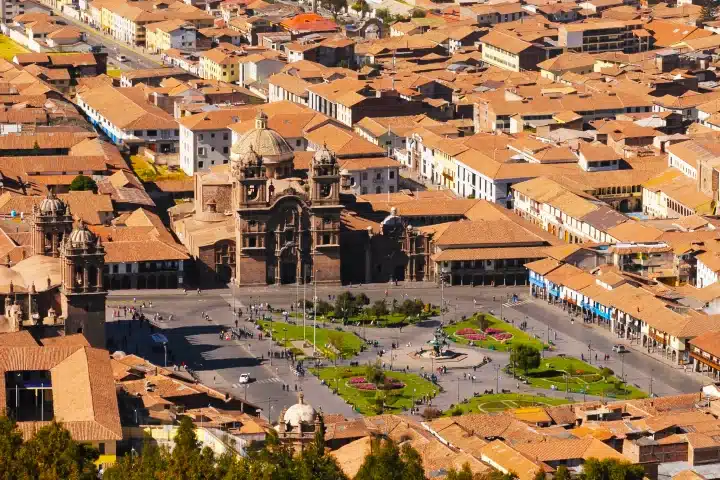
Cusco was the capital of the Inca Empire and is now a UNESCO World Heritage Site.
Location: Cusco Region | UNESCO inscription: 1983
Category: Cultural Heritage
Once the capital of the Inca Empire, Cusco is one of South America’s most significant historic cities. Its streets reveal a remarkable blend of Inca engineering and Spanish colonial architecture, where finely carved stone walls support churches, convents, and mansions built after the conquest.
Among its most iconic landmarks is Qorikancha, the Inca Empire’s most important temple, whose foundations still support the Convent of Santo Domingo. Nearby, impressive sites such as Sacsayhuamán demonstrate the Incas’ extraordinary architectural skills and their ability to build structures that have withstood centuries of earthquakes.
Today, Cusco remains a vibrant cultural center where Quechua traditions, local festivals, and centuries-old customs continue to thrive.
Why UNESCO recognized Cusco
UNESCO inscribed Cusco for its exceptional testimony to the Inca civilization and the harmonious integration of Indigenous and colonial architecture within a single historic urban landscape.
Top highlights
- Plaza de Armas
- Qorikancha
- Sacsayhuamán
- San Pedro Market
- Twelve-Angled Stone
- San Blas neighborhood
Best time to visit Cusco: May to September.
Chavín Archaeological Site
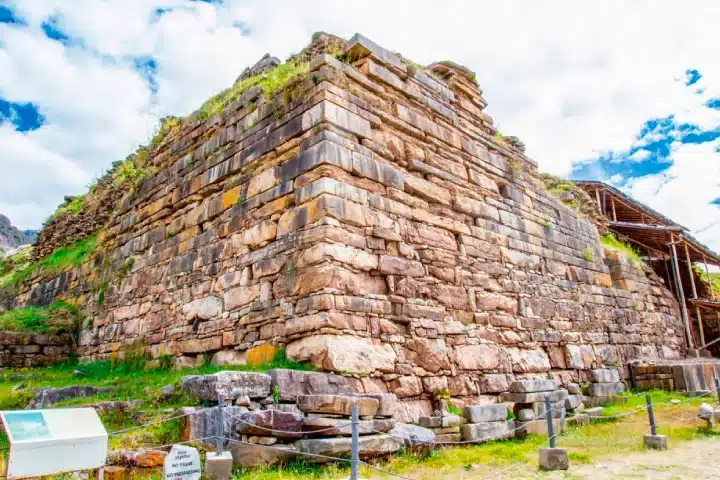
Chavín was one of the earliest ceremonial centers in the Andes.
Location: Ancash Region | UNESCO inscription: 1985
Category: Cultural Heritage
Located in Peru’s Ancash region, Chavín was one of the most influential ceremonial centers in ancient South America. Built around 1200 BC, it predates the Inca Empire by nearly two millennia and played a key role in shaping later Andean civilizations.
The complex is renowned for its monumental stone architecture, underground galleries, ceremonial plazas, and intricate carvings representing jaguars, snakes, birds, and mythical beings. At its heart stands the Lanzón Monolith, a four-meter granite sculpture believed to have been central to Chavín religious ceremonies.
Why UNESCO recognized Chavín
UNESCO recognizes Chavín as one of the earliest and most influential ceremonial centers in the Andes, preserving exceptional evidence of ancient religious traditions, architecture, and artistic expression.
Top highlights
- Lanzón Monolith
- Underground galleries
- Circular Plaza
- Chavín National Museum
Best time to visit: May to September.
Chan Chan Archaeological Zone
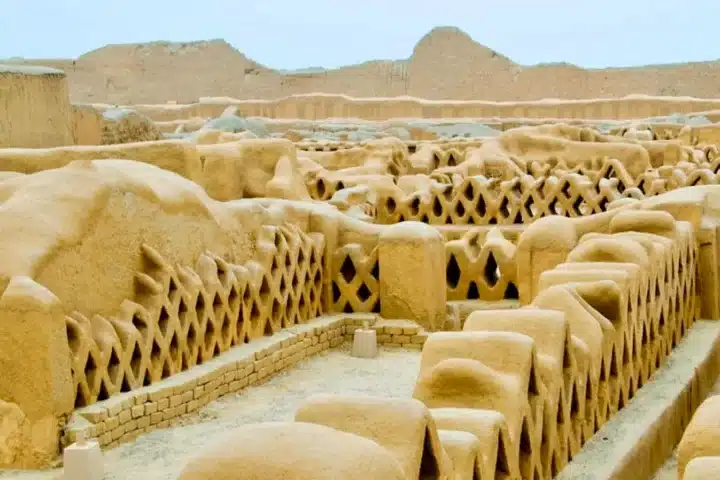
Chan Chan was the largest adobe city in the Americas.
Location: La Libertad Region | UNESCO inscription: 1986
Category: Cultural Heritage
Near the city of Trujillo lies Chan Chan, the former capital of the Chimú Kingdom and the largest adobe city ever built in the Americas. Covering nearly 20 square kilometers, this immense archaeological complex reflects the sophisticated urban planning of a civilization that flourished on Peru’s northern coast before being incorporated into the Inca Empire.
Its enormous citadels, ceremonial plazas, and beautifully decorated adobe walls feature geometric patterns and marine motifs that highlight the Chimú people’s close relationship with the Pacific Ocean.
💡Did you know?
Chan Chan is the largest adobe city in the Americas and remains on UNESCO’s List of World Heritage in Danger due to the vulnerability of its earthen structures to heavy rainfall and climate change.
Why UNESCO recognized Chan Chan
UNESCO inscribed Chan Chan as an outstanding example of pre-Columbian urban planning and one of the most important archaeological sites on Peru’s northern coast.
Top highlights
- Nik An Palace
- Decorative adobe walls
- Ceremonial courtyards
- Chan Chan Site Museum
Best time to visit: May to November.
Historic Centre of Lima
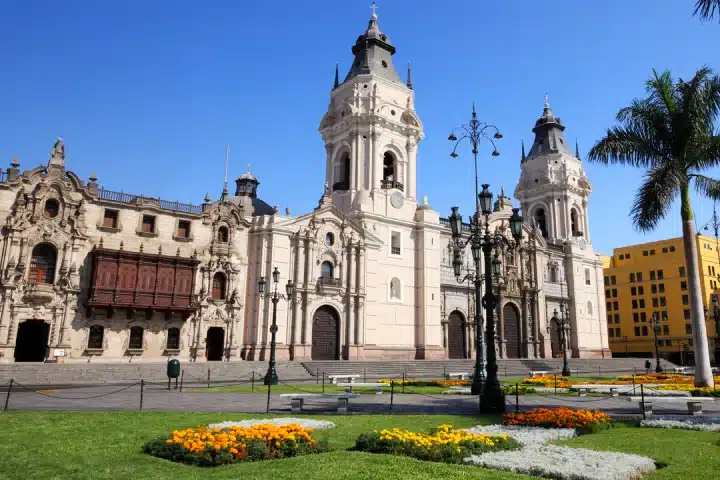
Lima’s historic center showcases Peru’s colonial heritage.
Location: Lima Region | UNESCO inscription: 1988
Category: Cultural Heritage
Founded in 1535, the Historic Centre of Lima became the political, religious, and commercial heart of the Spanish Viceroyalty of Peru. Today, it preserves one of Latin America’s finest collections of colonial architecture, with elegant churches, convents, balconies, and public squares that reflect centuries of history.
The city’s most important landmarks include the Plaza Mayor, the Cathedral of Lima, the Government Palace, and the Convent of San Francisco, famous for its historic library and underground catacombs. Together, these monuments illustrate Lima’s central role in shaping colonial South America.
Why UNESCO recognized Lima
UNESCO recognized Lima for its exceptional colonial architecture and its importance as one of the Spanish Empire’s principal political and cultural centers in the Americas.
Top highlights
- Plaza Mayor
- Cathedral of Lima
- Convent of San Francisco
- Historic colonial balconies
Best time to visit: Lima can be visited year-round, with sunny weather typically from December to April.
Lines and Geoglyphs of Nasca and Palpa
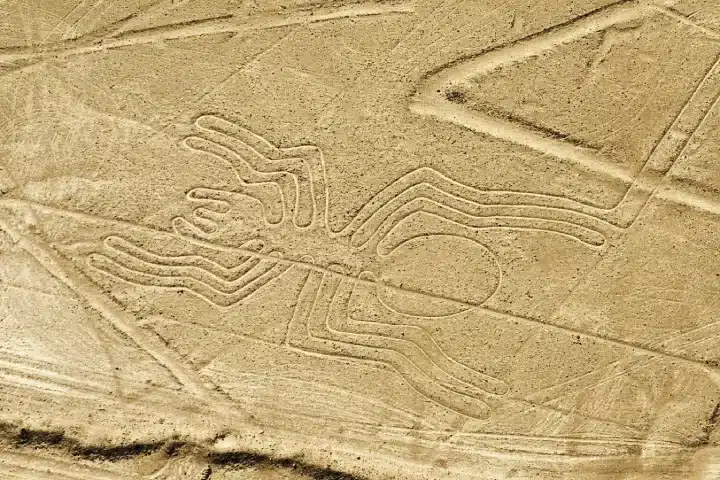
The Nazca Lines remain one of the world’s greatest archaeological mysteries.
Location: Ica Region | UNESCO inscription: 1994
Category: Cultural Heritage
The Lines and Geoglyphs of Nasca and Palpa are among the world’s greatest archaeological mysteries. Spread across the desert plains of southern Peru, these enormous figures—including animals, plants, and geometric shapes—were created by the Nasca culture between 500 BC and AD 500.
The geoglyphs were formed by removing the desert’s dark surface stones to expose lighter soil beneath. Thanks to the region’s dry climate, they have remained remarkably well preserved for nearly two millennia. Although their exact purpose is still debated, researchers believe they were linked to ceremonial practices, astronomy, and water rituals.
Why UNESCO recognized the Nasca Lines
UNESCO inscribed the site for its exceptional scale, precision, and preservation, recognizing it as one of humanity’s most extraordinary examples of ancient landscape art.
Top highlights
- Scenic flights over the geoglyphs
- Nazca Observation Tower
- Maria Reiche Museum
- Cantalloc Aqueducts
Best time to visit: Year-round, with morning flights offering the clearest views.
Historical Centre of the City of Arequipa
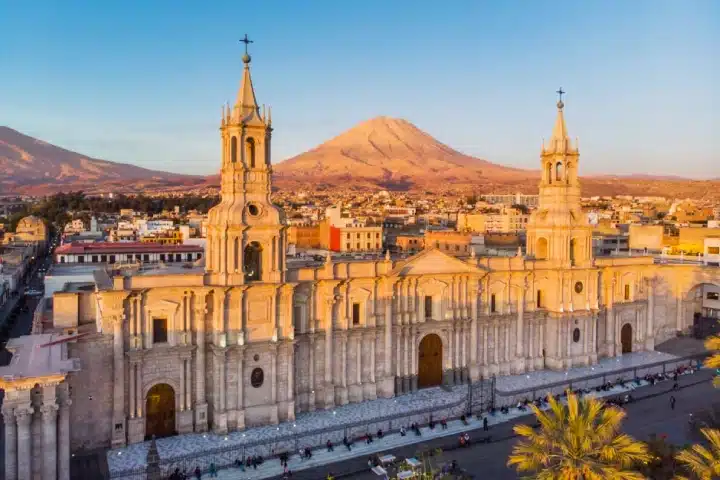
Arequipa’s historic center is renowned for its white volcanic stone buildings.
Location: Arequipa Region | UNESCO inscription: 2000
Category: Cultural Heritage
Known as the White City, Arequipa is famous for its elegant colonial buildings constructed from sillar, a white volcanic stone that gives the city its distinctive appearance. Surrounded by dramatic volcanoes, its historic center blends European architectural styles with local building techniques adapted to Peru’s seismic landscape.
The city’s most iconic attraction is the Santa Catalina Monastery, a vast religious complex often described as a city within a city. Together with its churches, plazas, and colonial mansions, it reflects Arequipa’s rich architectural heritage.
Why UNESCO recognized Arequipa
UNESCO recognized Arequipa for its outstanding colonial architecture and the unique adaptation of European urban design using locally sourced volcanic stone.
Top highlights
- Santa Catalina Monastery
- Plaza de Armas
- Basilica Cathedral
- Church of La Compañía
Best time to visit: April to November.
Sacred City of Caral-Supe
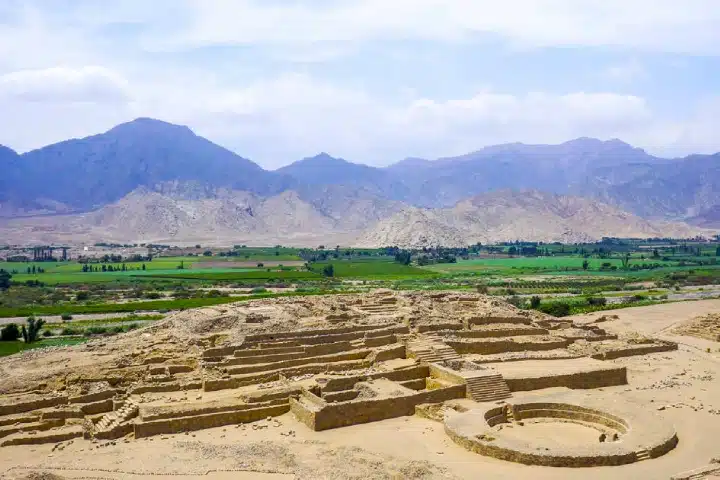
Caral is the oldest known civilization in the Americas.
Location: Lima Region | UNESCO inscription: 2009
Category: Cultural Heritage
The Sacred City of Caral-Supe is considered the oldest known civilization in the Americas, dating back more than 5,000 years. Located in the Supe Valley north of Lima, it flourished around the same time as Ancient Egypt and Mesopotamia, making it one of the world’s earliest urban centers.
Caral features monumental pyramids, sunken circular plazas, and carefully planned public spaces that reveal an advanced society with complex social organization, trade networks, and ceremonial traditions long before the rise of the Inca Empire.
💡Did you know?
Caral developed around 3000 BC, making it one of the oldest cities on Earth and the earliest known urban civilization in the Americas.
Why UNESCO recognized Caral-Supe
UNESCO inscribed Caral for its outstanding testimony to one of the earliest complex societies in the Americas and its remarkably preserved urban planning.
Top highlights
- Great Pyramid
- Circular Plaza
- Archaeological Museum
- Supe Valley viewpoints
Best time to visit: May to October.
Chankillo Archaeoastronomical Complex
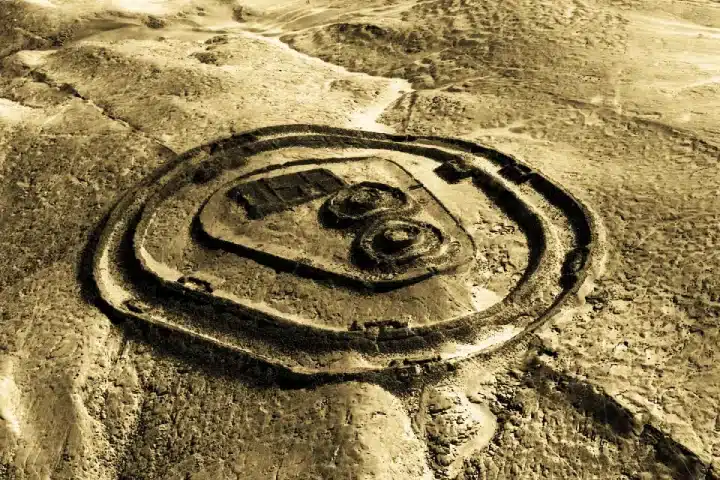
Chankillo is the oldest known solar observatory in the Americas.
Location: Ancash Region | UNESCO inscription: 2021
Category: Cultural Heritage
The Chankillo Archaeoastronomical Complex is Peru’s newest UNESCO World Heritage Site and home to the oldest known solar observatory in the Americas. Built more than 2,300 years ago, the site features a remarkable alignment of thirteen stone towers that allowed ancient observers to track the sun’s annual movement with impressive accuracy.
Archaeologists believe this sophisticated solar calendar played an important role in agriculture, ceremonial activities, and seasonal planning, demonstrating the advanced astronomical knowledge of pre-Columbian societies.
Why UNESCO recognized Chankillo
UNESCO recognized Chankillo as an exceptional example of early astronomical observation and one of the world’s best-preserved ancient solar observatories.
Top highlights
- Thirteen Towers
- Observation points
- Ceremonial complex
- Visitor interpretation area
Best time to visit: May to November.
Qhapaq Ñan, Andean Road System
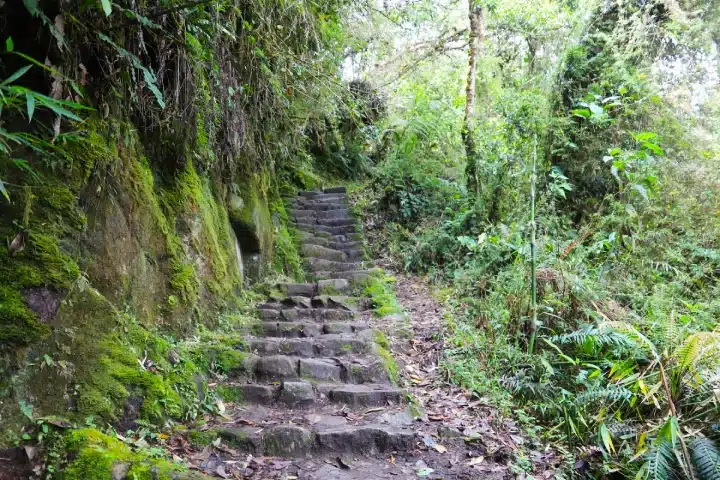
The Qhapaq Ñan connected the vast territories of the Inca Empire.
Location: Multiple regions | UNESCO inscription: 2014
Category: Cultural Heritage (Transnational)
Rather than a single archaeological site, Qhapaq Ñan is an extensive network of Inca roads stretching more than 30,000 kilometers across six South American countries. It connected mountains, deserts, valleys, and forests, enabling the Inca Empire to administer one of the largest civilizations in the Americas.
Many sections remain visible today, showcasing extraordinary engineering through stone-paved roads, stairways, suspension bridges, and tambos (roadside stations). Several routes are still used by Andean communities and hikers, including portions of the famous Inca Trail.
Why UNESCO recognized Qhapaq Ñan
UNESCO inscribed Qhapaq Ñan for its outstanding engineering, its role in integrating diverse cultures across the Andes, and its lasting cultural significance.
Top highlights
- Original Inca roads
- Stone stairways
- Tambos (way stations)
- Scenic trekking routes
Best time to visit: May to September.
UNESCO Natural World Heritage Sites in Peru
Peru’s natural and mixed UNESCO World Heritage Sites protect some of the country’s most spectacular landscapes, from the snow-capped peaks of the Andes to the biodiversity of the Amazon rainforest. These places are recognized not only for their beauty but also for their ecological importance and the role they play in conserving unique ecosystems and cultural heritage.
Huascarán National Park
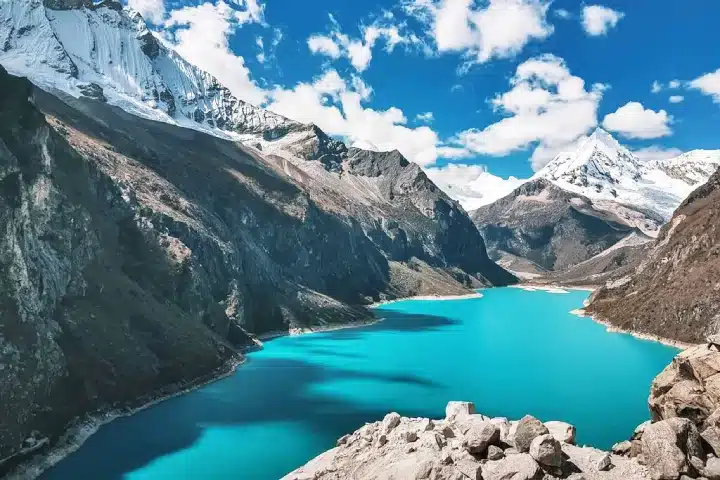
Huascarán National Park preserves Peru’s highest mountain range.
Location: Ancash Region | UNESCO inscription: 1985
Category: Natural Heritage
Home to the Cordillera Blanca, Huascarán National Park protects Peru’s highest mountain range and some of the most spectacular alpine scenery in South America. The park is named after Mount Huascarán, the country’s tallest peak at 6,768 meters (22,205 feet).
Its glaciers, turquoise lakes, and high-altitude valleys provide habitat for iconic Andean wildlife, including the spectacled bear, Andean condor, vicuña, and puma. The park also serves as an important freshwater source for surrounding communities.
Why UNESCO recognized Huascarán National Park
UNESCO recognized Huascarán for its outstanding mountain landscapes, exceptional biodiversity, and ongoing geological processes that shape one of the world’s highest tropical mountain ranges.
Top highlights
- Laguna 69
- Llanganuco Lakes
- Pastoruri Glacier
- Cordillera Blanca trekking routes
Best time to visit: May to September.
Manu National Park
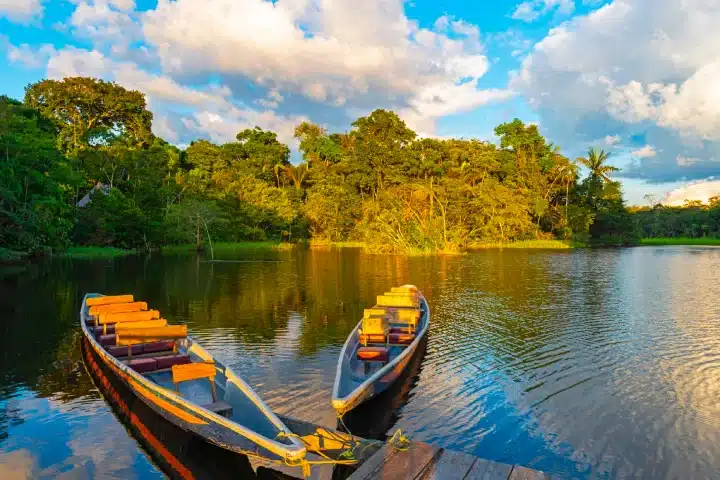
Manu National Park protects one of the most biodiverse ecosystems on Earth.
Location: Cusco & Madre de Dios Regions | UNESCO inscription: 1987
Category: Natural Heritage
Covering nearly 1.7 million hectares, Manu National Park is considered one of the most biodiverse protected areas on Earth. Its ecosystems stretch from the high Andes to the Amazon rainforest, creating habitats for an extraordinary variety of wildlife.
More than 1,000 bird species, hundreds of mammals, and thousands of plant species have been recorded within the park, including jaguars, giant otters, tapirs, macaws, and the spectacled bear. Indigenous communities have also lived in and around Manu for centuries, contributing to the conservation of this unique environment.
Manu National Park is home to around 10% of the world’s bird species, making it one of the premier birdwatching destinations on the planet.
Why UNESCO recognized Manu National Park
UNESCO inscribed Manu for its exceptional biodiversity, intact ecosystems, and outstanding contribution to tropical rainforest conservation and scientific research.
Top highlights
- Wildlife watching
- Macaw clay licks
- Oxbow lakes
- Amazon rainforest expeditions
Best time to visit: May to October.
UNESCO Mixed World Heritage Sites in Peru
Mixed World Heritage Sites are among the rarest UNESCO designations because they recognize places of both exceptional cultural and natural value. Peru has two: Machu Picchu and Río Abiseo National Park.
Historic Sanctuary of Machu Picchu
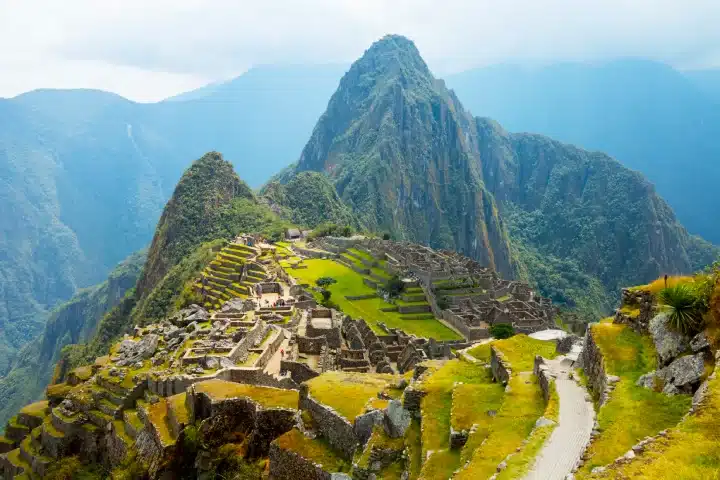
Machu Picchu is one of the world’s few mixed UNESCO World Heritage Sites.
Location: Cusco Region | UNESCO inscription: 1983
Category: Mixed Heritage
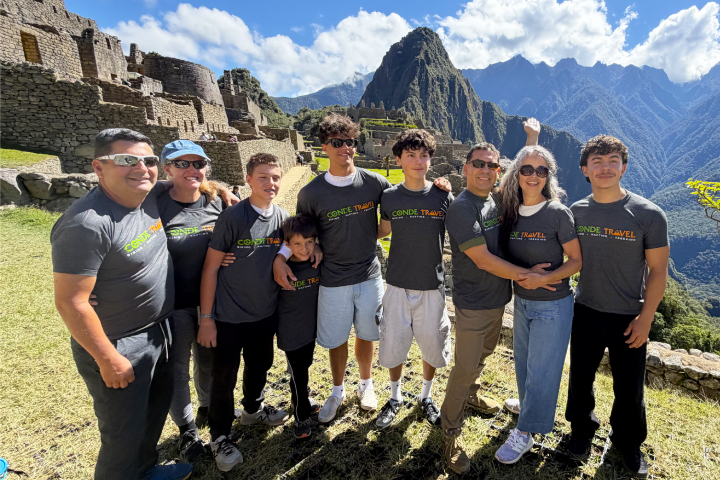
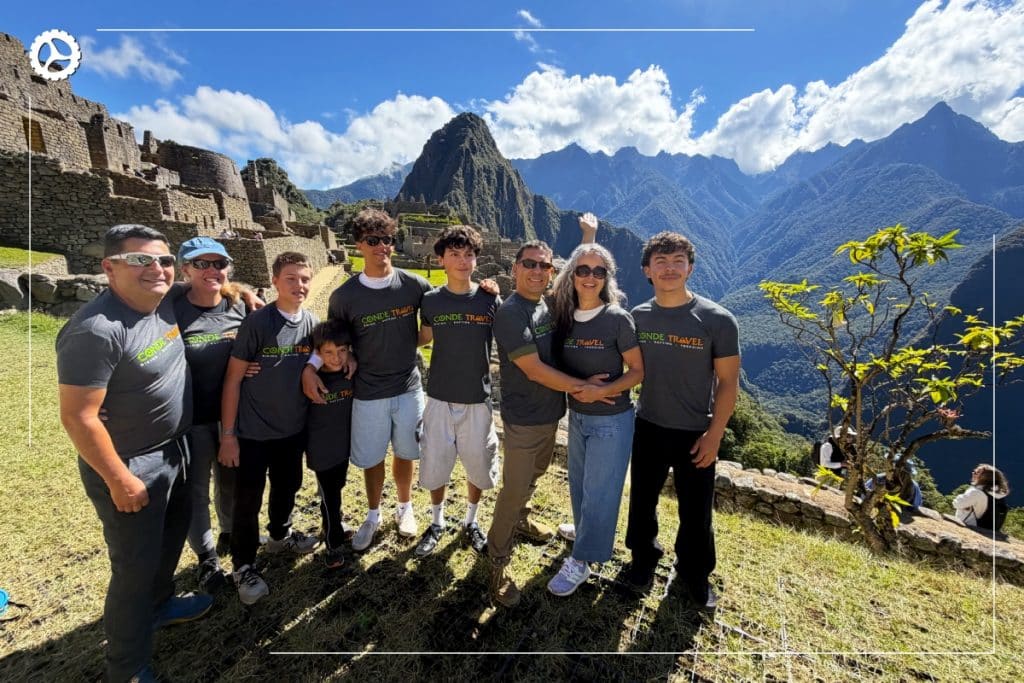
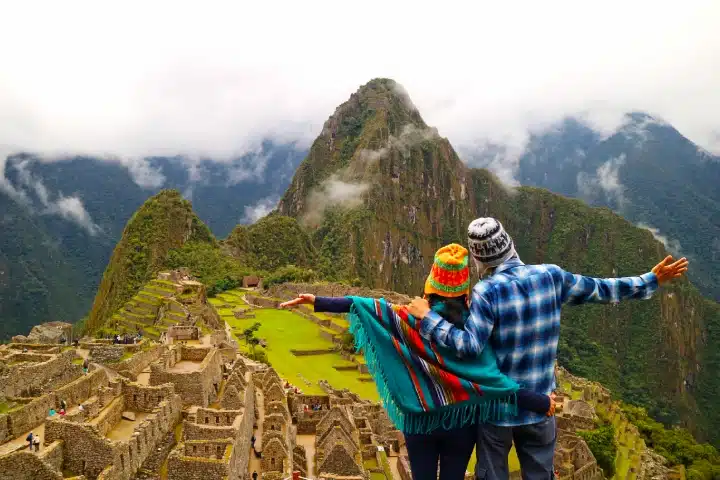
Few places symbolize Peru like Machu Picchu. Built in the fifteenth century by the Inca Empire, the ancient citadel sits high above the Urubamba Valley, surrounded by the cloud forests of the Andes.
Its precisely cut stone buildings, agricultural terraces, ceremonial temples, and sophisticated engineering demonstrate the Incas’ remarkable architectural achievements. At the same time, the surrounding sanctuary protects one of the richest cloud forest ecosystems in the tropical Andes, home to orchids, spectacled bears, and hundreds of bird species.
💡 Did you know?
Machu Picchu is one of the few places in the world recognized by UNESCO as both a Cultural and Natural World Heritage Site.
Why UNESCO recognized Machu Picchu
UNESCO recognized Machu Picchu for the exceptional harmony between Inca architecture and its surrounding mountain landscape, making it one of the world’s most outstanding mixed heritage sites.
Top highlights
- Temple of the Sun
- Intihuatana Stone
- Huayna Picchu
- Sun Gate (Inti Punku)
Best time to visit: May to September.
Important: Book tickets well in advance, especially during the high season.
Río Abiseo National Park
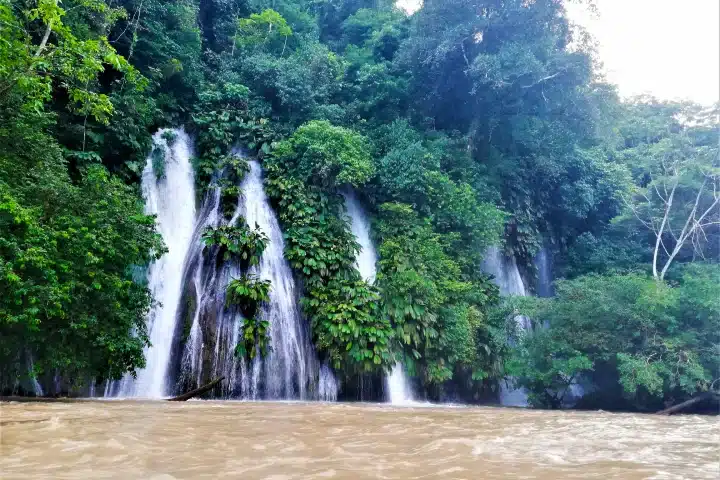
Río Abiseo combines exceptional biodiversity with important archaeological remains.
Location: San Martín Region | UNESCO inscription: 1990 (Natural) / 1992 (Cultural)
Category: Mixed Heritage
Río Abiseo National Park combines pristine cloud forests with important archaeological remains, making it one of Peru’s least-known yet most remarkable UNESCO sites.
The park protects rare wildlife, including the endangered yellow-tailed woolly monkey, while also preserving ancient settlements such as Gran Pajatén, hidden deep within the forest. Because conservation is the priority, much of the park remains closed to regular tourism.
Why UNESCO recognized Río Abiseo
UNESCO granted Río Abiseo mixed status because of its exceptional biodiversity and the archaeological heritage preserved within its protected forests.
Top highlights
- Cloud forest landscapes
- Gran Pajatén (restricted access)
- Endemic wildlife
- Scientific research area
Best time to visit: Access is limited, but the surrounding region is generally best visited between May and September.
UNESCO World Heritage Sites in Peru Map
Peru’s UNESCO World Heritage Sites are spread across the coast, the Andes, and the Amazon rainforest. Planning your route by region makes it easier to combine historical landmarks with natural attractions during the same trip.
| Region | UNESCO World Heritage Sites |
|---|---|
| Lima | Historic Centre of Lima, Sacred City of Caral-Supe |
| Cusco | City of Cuzco, Historic Sanctuary of Machu Picchu, Qhapaq Ñan (sections) |
| Ancash | Chavín Archaeological Site, Huascarán National Park, Chankillo Archaeoastronomical Complex |
| La Libertad | Chan Chan Archaeological Zone |
| Ica | Lines and Geoglyphs of Nasca and Palpa |
| Arequipa | Historical Centre of the City of Arequipa |
| San Martín | Río Abiseo National Park |
| Multiple Regions | Qhapaq Ñan, Andean Road System |
| Cusco & Madre de Dios | Manu National Park |
Suggested UNESCO Itineraries
Whether you have a few days or two weeks, Peru offers plenty of opportunities to experience its UNESCO World Heritage Sites.
5-Day Highlights
Perfect for first-time visitors.
- Lima
- Cusco
- Machu Picchu
7-Day Cultural Journey
A great option for travelers interested in Peru’s history.
- Lima
- Caral-Supe
- Cusco
- Sacred Valley
- Machu Picchu
10-Day Heritage Adventure
Combine archaeology with spectacular natural scenery.
- Lima
- Huaraz (Huascarán National Park)
- Cusco
- Sacred Valley
- Machu Picchu
14-Day Complete UNESCO Route
Explore Peru’s most remarkable heritage destinations.
- Lima
- Caral-Supe
- Chankillo
- Chavín
- Huascarán National Park
- Trujillo (Chan Chan)
- Nazca
- Arequipa
- Cusco
- Sacred Valley
- Machu Picchu
If time allows, consider adding a guided expedition to Manu National Park. Access to Río Abiseo National Park is highly restricted to protect its ecosystems and archaeological remains.

Travel Tips for Visiting Peru’s UNESCO Sites
A little planning can make your trip smoother and help you get the most from Peru’s diverse landscapes and heritage.
Visit during the dry season
For destinations in the Andes, May to September generally offers the best weather, with sunny days and ideal conditions for sightseeing and hiking.
Book Machu Picchu early
Entrance tickets are limited and often sell out weeks in advance, especially during the high season.
Take time to acclimatize
Cusco, Huascarán National Park, and several sections of Qhapaq Ñan are located at high altitude. Spending a day or two adjusting can make your visit much more comfortable.
Travel Tip
If you’re traveling from sea level, plan to spend at least one night in Cusco before visiting Machu Picchu or other high-altitude attractions.
Respect conservation rules
Help preserve Peru’s UNESCO sites by staying on marked trails, avoiding restricted areas, and following local regulations.
Pack for different climates
Depending on your itinerary, you may experience coastal deserts, mountain environments, and tropical rainforest in a single trip.
Essentials include:
- Comfortable walking shoes
- Sunscreen and a hat
- Rain jacket
- Reusable water bottle
- Insect repellent
- Layers for changing temperatures
Conclusion
Peru’s UNESCO World Heritage Sites showcase an extraordinary blend of ancient civilizations, colonial history, and world-class natural landscapes. From the iconic citadel of Machu Picchu to the archaeological wonders of Caral and Chankillo, each destination offers a different perspective on the country’s rich heritage.
Whether you’re planning your first visit or returning to explore beyond the famous landmarks, these 13 UNESCO sites highlight the cultural diversity and natural beauty that make Peru one of the world’s most rewarding travel destinations.
“
Ready to Experience Peru’s UNESCO World Heritage Sites?
Let our local travel experts help you create a personalized itinerary that combines Peru’s most iconic UNESCO destinations with authentic cultural experiences.
Contact us today to start planning your unforgettable journey through Peru.”