

Peruvian cuisine is recognized worldwide for its incredible diversity, bold flavors, and cultural fusion. While savory dishes like ceviche, lomo saltado, and ají de gallina are internationally famous, traditional Peruvian desserts are equally important in the country’s gastronomy. From ancient Andean ingredients to colonial influences, these sweets represent centuries of culinary history.
Trying traditional Peruvian desserts is one of the best ways to experience Peru’s culture during your trip. Whether you are visiting Cusco, Lima, Arequipa, or small Andean towns, you will find desserts prepared with local ingredients, family recipes, and regional traditions that continue to shape Peruvian cuisine today.
What Makes Traditional Peruvian Desserts Unique?
Traditional Peruvian desserts are unique because they combine Indigenous ingredients with Spanish and colonial cooking techniques. Many recipes include products that were cultivated in Peru long before the arrival of Europeans, such as purple corn, quinoa, sweet potato, and squash.
Over time, ingredients like milk, sugar, cinnamon, cloves, and wheat were introduced, creating the fusion that defines many traditional Peruvian desserts today.
Some of the most common ingredients found in traditional Peruvian desserts include:
- Purple corn
- Sweet potato
- Chancaca syrup
- Quinoa
- Cinnamon
- Cloves
- Coconut
- Dulce de leche
- Milk and condensed milk
- Native Peruvian fruits like lucuma
These ingredients create desserts that are rich, colorful, and deeply connected to Peru’s cultural identity.
Most Traditional Peruvian Desserts
Suspiro a la Limeña
Suspiro a la Limeña is one of the most famous traditional Peruvian desserts. Originating in Lima during the colonial period, this dessert consists of a creamy dulce de leche base made with milk, sugar, and egg yolks, topped with soft meringue flavored with cinnamon and port wine.
Its smooth texture and sweet flavor make it one of the most iconic desserts in Peru. Visitors can find suspiro a la limeña in traditional restaurants, cafés, and bakeries throughout Lima.

Suspiro a la Limeña is a beloved dessert that originated in Lima.
Mazamorra Morada
Mazamorra morada is another essential traditional Peruvian dessert made from Peru’s famous purple corn. This thick dessert is prepared with fruits such as pineapple and prunes, combined with cinnamon and cloves to create a sweet and aromatic flavor.
Mazamorra morada has strong pre-Hispanic roots because purple corn was cultivated in Peru for centuries before the Inca Empire. Today, it remains one of the most popular traditional Peruvian desserts enjoyed by locals and visitors alike.
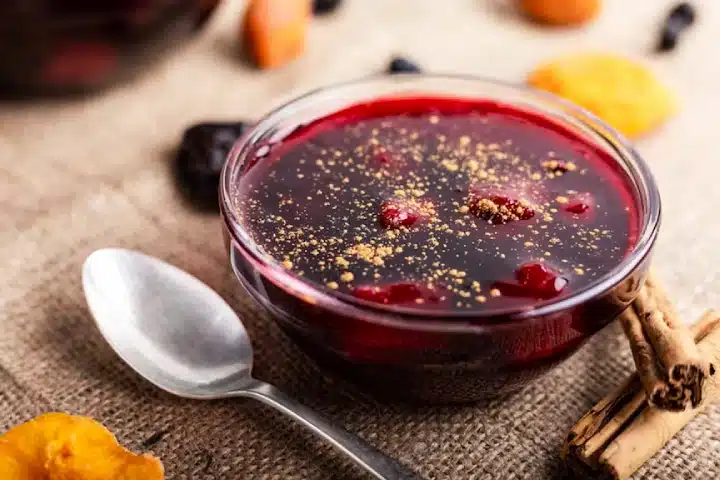
Mazamorra morada is one of Peru’s most iconic traditional desserts.
Arroz con leche
Arroz con leche, or Peruvian rice pudding, is one of the most comforting traditional Peruvian desserts. It is made with rice, milk, cinnamon, raisins, and sugar, resulting in a creamy and flavorful dessert often served warm.
In Peru, arroz con leche is commonly paired with mazamorra morada, creating a classic dessert combination found in homes, markets, and traditional eateries.
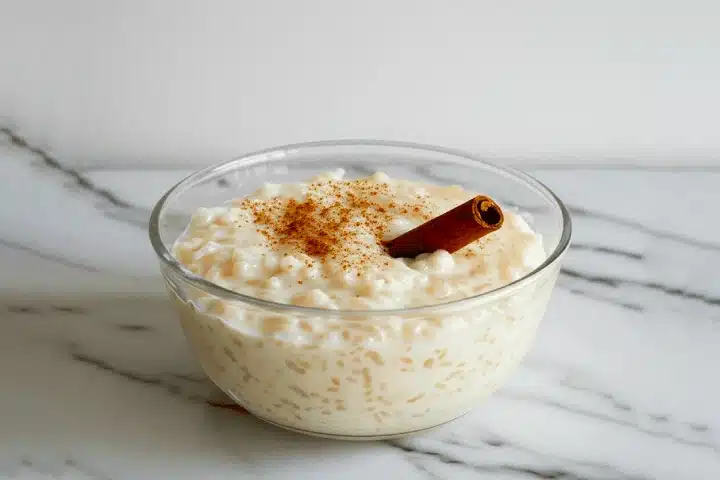
Arroz con leche is a classic comfort dessert enjoyed throughout Peru.
Picarones
Picarones are among the most beloved Peruvian street desserts. These ring-shaped fritters are made with sweet potato and squash dough, then fried until crispy and served with warm chancaca syrup.
Unlike regular doughnuts, picarones have a softer texture and a slightly earthy flavor thanks to the Andean ingredients used in the recipe. They are especially popular during festivals, fairs, and evening street food markets.
Fresh picarones are usually best at local evening markets, where they are served hot with warm chancaca syrup.
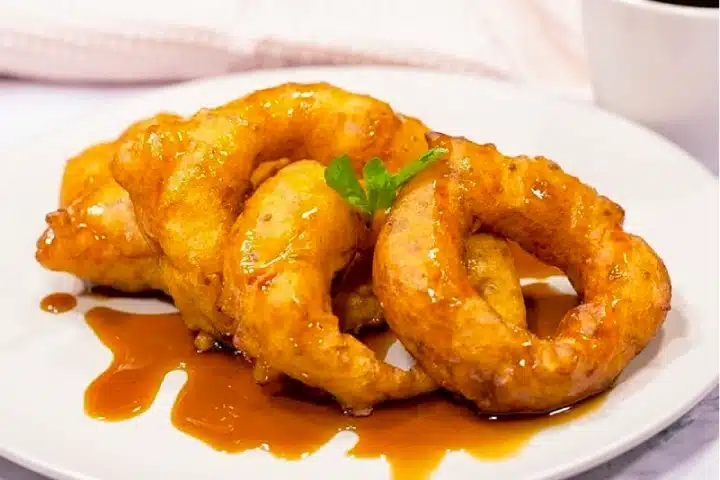
Picarones are a popular Peruvian street dessert made with sweet potato and squash.
King Kong
King Kong is a traditional dessert from northern Peru, particularly from the Lambayeque region. It consists of giant layered cookies filled with dulce de leche, pineapple jam, and sweet peanut filling.
This dessert became famous for its large size and rich flavor, eventually becoming one of the best-known regional sweets in Peru.
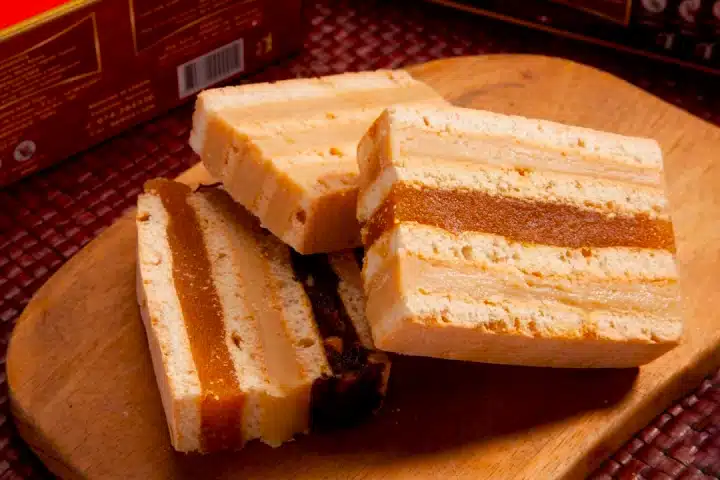
King Kong is one of northern Peru’s most famous desserts.
Turrón de Doña Pepa
Turrón de Doña Pepa is one of the most traditional Peruvian desserts associated with religious celebrations. It is especially popular during October, when Peru celebrates Señor de los Milagros.
This dessert consists of crunchy anise-flavored bars covered in sweet syrup and decorated with colorful candy sprinkles. Beyond its flavor, it represents an important part of Peru’s cultural and religious traditions.
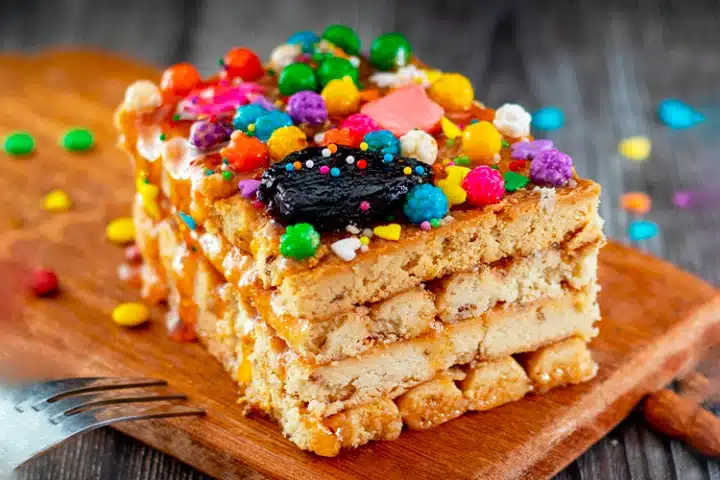
Turrón de Doña Pepa is a traditional dessert associated with Peru’s October celebrations.
Alfajores Peruanos
Peruvian alfajores are delicate cookies filled with dulce de leche and dusted with powdered sugar. Although alfajores are common throughout South America, Peru has developed its own homemade variations with softer textures and unique flavors.
They are commonly enjoyed with coffee or tea in bakeries and cafés across the country.
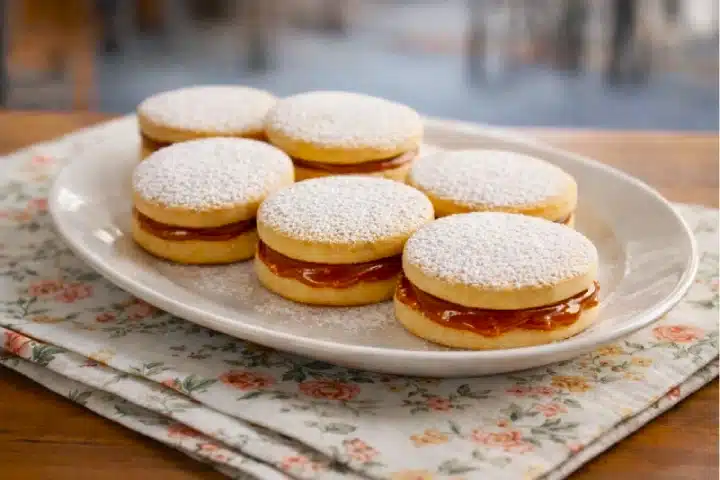
Peruvian alfajores are a favorite sweet treat found in bakeries across the country.
Queso Helado
Despite its name, queso helado does not contain cheese. This frozen dessert from Arequipa is made with milk, coconut, cinnamon, vanilla, and cloves.
Queso helado is one of the most refreshing traditional Peruvian desserts and is especially popular during sunny days in southern Peru.
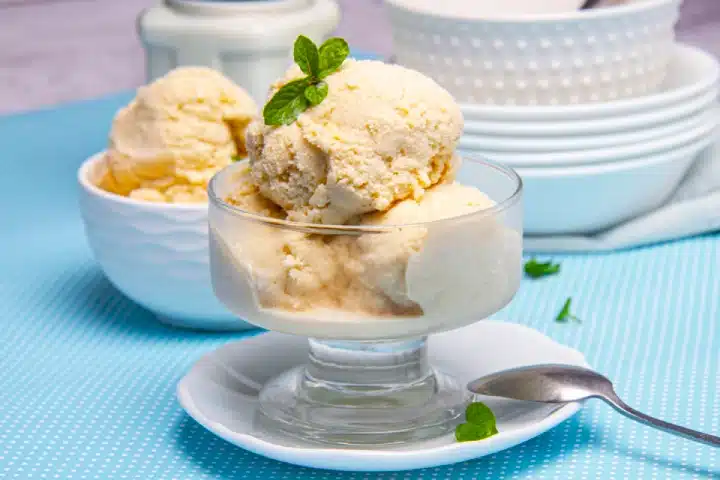
Queso helado is a refreshing frozen dessert from Arequipa.
Ranfañote
Ranfañote is one of the oldest traditional Peruvian desserts still prepared today. Dating back to colonial times, it combines pieces of bread soaked in chancaca syrup with nuts, raisins, spices, and cheese.
Although less common among tourists, ranfañote remains an important dessert in Peru’s culinary heritage.
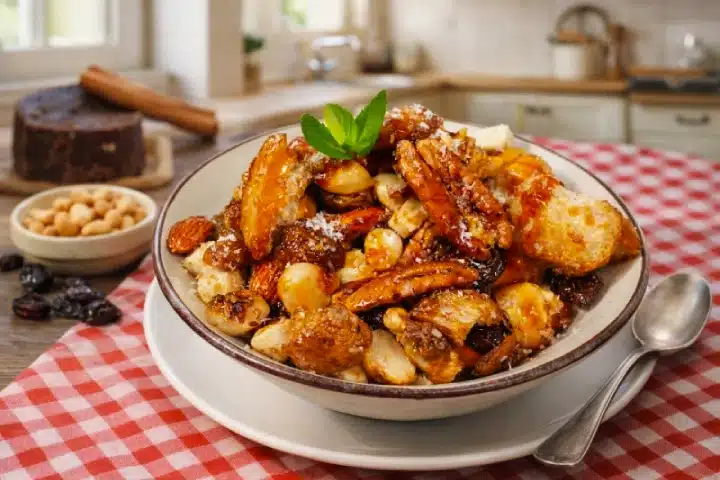
Ranfañote is a historic Peruvian dessert with roots in the colonial era.
Traditional Peruvian Desserts From Different Regions
One of the most interesting aspects of traditional Peruvian desserts is their regional diversity. Every area of Peru has desserts influenced by local ingredients, climate, and traditions.
Coastal Desserts
The Peruvian coast is famous for creamy and sweet desserts such as:
- Suspiro a la Limeña
- Turrón de Doña Pepa
- Mazamorra morada
- Arroz con leche
These desserts often reflect Spanish colonial influence combined with Peruvian ingredients.
Andean Desserts
The Andes preserve many ancestral ingredients used in traditional Peruvian desserts, including quinoa, corn, and sweet potato.
Popular Andean desserts include:
- Queso helado
- Quinoa puddings
- Sweet breads
- Picarones
In cities like Cusco and Arequipa, travelers can discover desserts connected to ancient Andean culinary traditions.
Northern Desserts
Northern Peru is known for larger and richer desserts like King Kong, as well as sweets made with tropical fruits and sugar cane products.
You might also be interested in → The 12 Dishes You Must Try in Peru and Where to Find Them (2026 Guide)
Traditional Peruvian Desserts Influenced by the Incas
Many traditional Peruvian desserts still use ingredients cultivated by ancient Andean civilizations long before the Spanish arrived in South America.
Purple corn, quinoa, sweet potato, squash, and native fruits all played important roles in Inca agriculture. Although colonial influence introduced sugar, dairy products, and wheat, Peru managed to preserve many Indigenous ingredients in its desserts.
Because of this fusion, traditional Peruvian desserts are not only delicious but also part of Peru’s living history.
Many traditional Peruvian desserts still use ancient Andean ingredients like purple corn, quinoa, and potato.
Best Places to Try Traditional Peruvian Desserts
Travelers can enjoy traditional Peruvian desserts throughout the country, especially in local bakeries, cafés, and food markets.
Some of the best places to try traditional Peruvian desserts include:
Lima
Lima is the best city to try:
- Suspiro a la limeña
- Turrón de Doña Pepa
- Mazamorra morada
- Alfajores
The capital offers both traditional bakeries and modern restaurants specializing in Peruvian gastronomy.
Cusco
Cusco combines Andean ingredients with colonial culinary traditions.
Travelers can try traditional Peruvian desserts in:
- San Pedro Market
- Traditional cafés
- Local bakeries
- Small family-run restaurants
Arequipa
Arequipa is famous for queso helado, one of the city’s most iconic desserts.
Street Markets and Festivals
Picarones and other traditional Peruvian desserts are commonly sold in street food markets, festivals, and cultural celebrations throughout Peru.
Peruvian Desserts You Should Try in Cusco
Cusco is not only famous for Machu Picchu and Inca history — it is also an excellent destination for food lovers interested in traditional Peruvian desserts.
Some desserts visitors should try in Cusco include:
- Mazamorra morada
- Arroz con leche
- Alfajores
- Quinoa desserts
- Traditional festival breads
- Picarones are sold in local markets
Trying these desserts allows travelers to experience another side of Cusco’s cultural heritage.
In Cusco, small family-run bakeries often prepare traditional desserts using recipes passed down for generations.
Why Traditional Peruvian Desserts Are Becoming Popular Worldwide
In recent years, Peruvian gastronomy has gained international recognition, and traditional Peruvian desserts are becoming increasingly popular among food lovers around the world.
The combination of ancient ingredients, unique flavors, and cultural authenticity makes these desserts stand out from other Latin American sweets. As more travelers visit Peru, many discover that desserts are an essential part of the country’s culinary identity.
Conclusion
Traditional Peruvian desserts are much more than sweet treats — they reflect Peru’s cultural diversity, history, and culinary creativity. From the colonial flavors of suspiro a la limeña to the ancient roots of mazamorra morada and picarones, every dessert tells part of Peru’s story.
For travelers exploring Peru, tasting traditional Peruvian desserts is a delicious way to connect with local culture and discover flavors deeply rooted in the country’s traditions.
“
Want to experience Peru beyond the famous landmarks?
Discover local markets, traditional flavors, and authentic cultural experiences with our tours in Cusco, the Sacred Valley, and Machu Picchu. Write us!
”